Locksmith
Notes for homeowners and drivers
Advice is only useful when it fits your door, so we have kept these notes practical and specific. Real situations, real hardware, what to check and what to leave alone. Read what applies today and come back when the next question turns up.
Ask us anything about locks
My key turns but the door stays locked. What is going on?
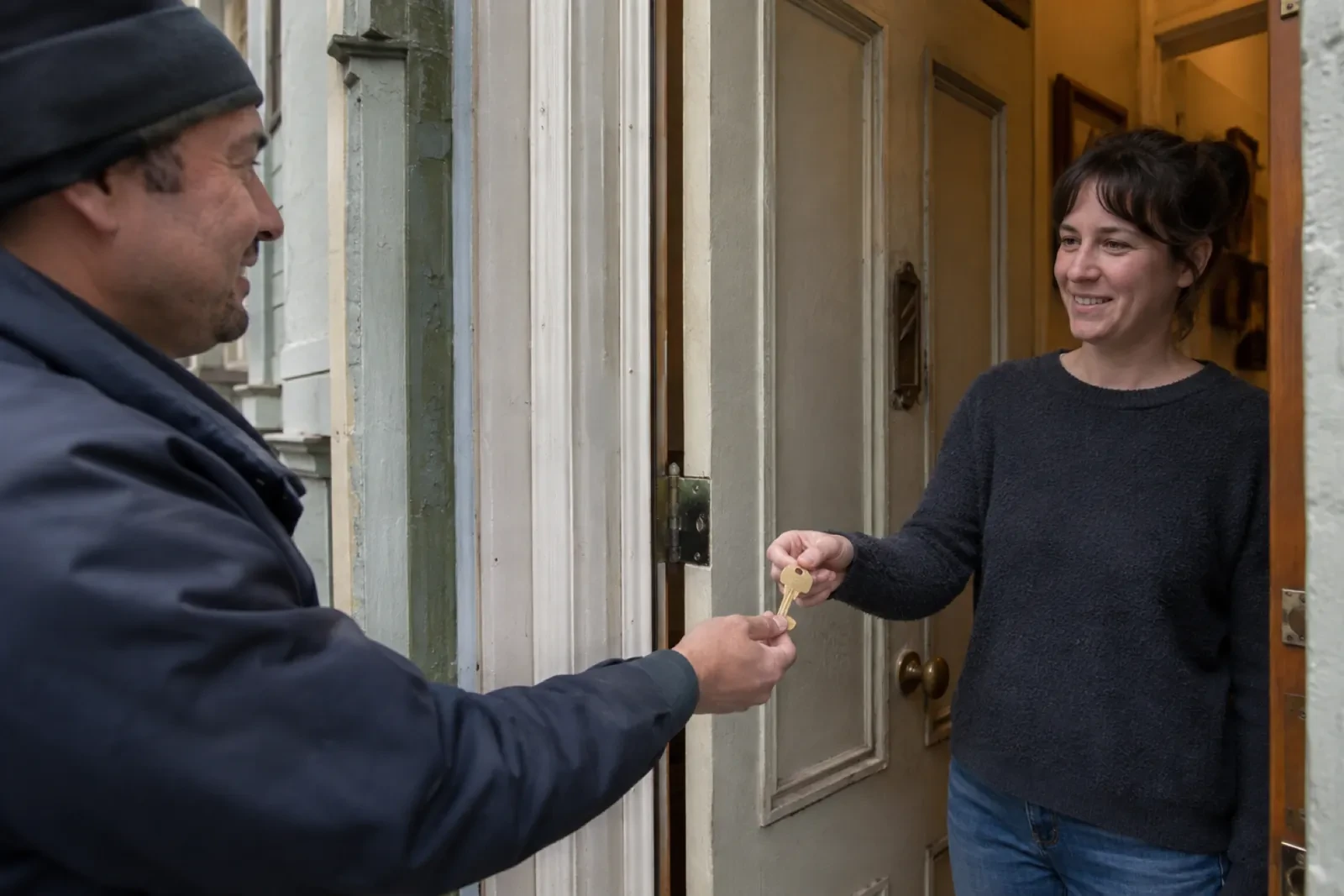
A key that spins freely without moving the bolt usually means the connection between the cylinder and the bolt has failed: the tailpiece or cam at the back of the cylinder has broken or slipped, or the internal parts of an older mortise lock have worn. The good news is that this is a hardware fault rather than a lost key, so once the door is opened the fix is a repaired or replaced cylinder and your keys keep working.
This is the third time this door has locked someone out. Is something wrong with the hardware?
It can be. A cylinder that is worn, a strike plate that has shifted, or a latch that no longer seats squarely will all produce repeat lockouts even though the key looks fine. The locksmith checks the alignment of the door and frame, tests how smoothly the latch throws, and looks at wear inside the cylinder before simply letting you back in. If the hardware is the cause, fixing that during the same visit is usually quicker than calling again next month.
Do you need my spare key?
It helps if there is one. A crisp spare is the ideal pattern for the replacement, better than the broken halves and far better than a worn copy. It also lets the locksmith test the cylinder the moment the fragment is out, which shows whether the pins and springs are sound. If the spare is itself bent or worn, mention that too; it is a candidate for retirement rather than a pattern.
Will my door be boarded up, or can it be made to lock tonight?
Most forced doors lock again during the visit. If the slab and frame are sound, a new lockset goes in and the strike is reinforced. If the jamb is split, a repair plate or a boxed strike screwed into the stud usually holds it. Boarding is reserved for openings where the frame or the door itself is destroyed, and even then it is fitted so the household can get out from inside without a key.
My key turns all the way round but the bolt stays put. What has broken?
The key and cylinder are doing their job; the bar behind the cylinder that drives the bolt, called the tailpiece or cam, has broken, slipped or twisted out of engagement. It is a small part. The locksmith retracts the bolt through the mechanism or removes the cylinder to reach it, then fits a tailpiece of the right length and profile. Your cylinder and keys are unchanged afterwards.
My lock is the homeowner-rekeyable type but the working key is lost. Can it still be reset?
Yes. Those cylinders let an owner change the key with a small learn tool, but only while a working key is in hand. Without one, a design such as Kwikset SmartKey is removed and placed in its own reset fixture, returning it to a blank state; other cylinder types are rekeyed by their own method instead. A new key is then set and the lock goes back on. It is a few extra minutes rather than a replacement.
One of my locks is stiff and worn. Can it still be rekeyed?
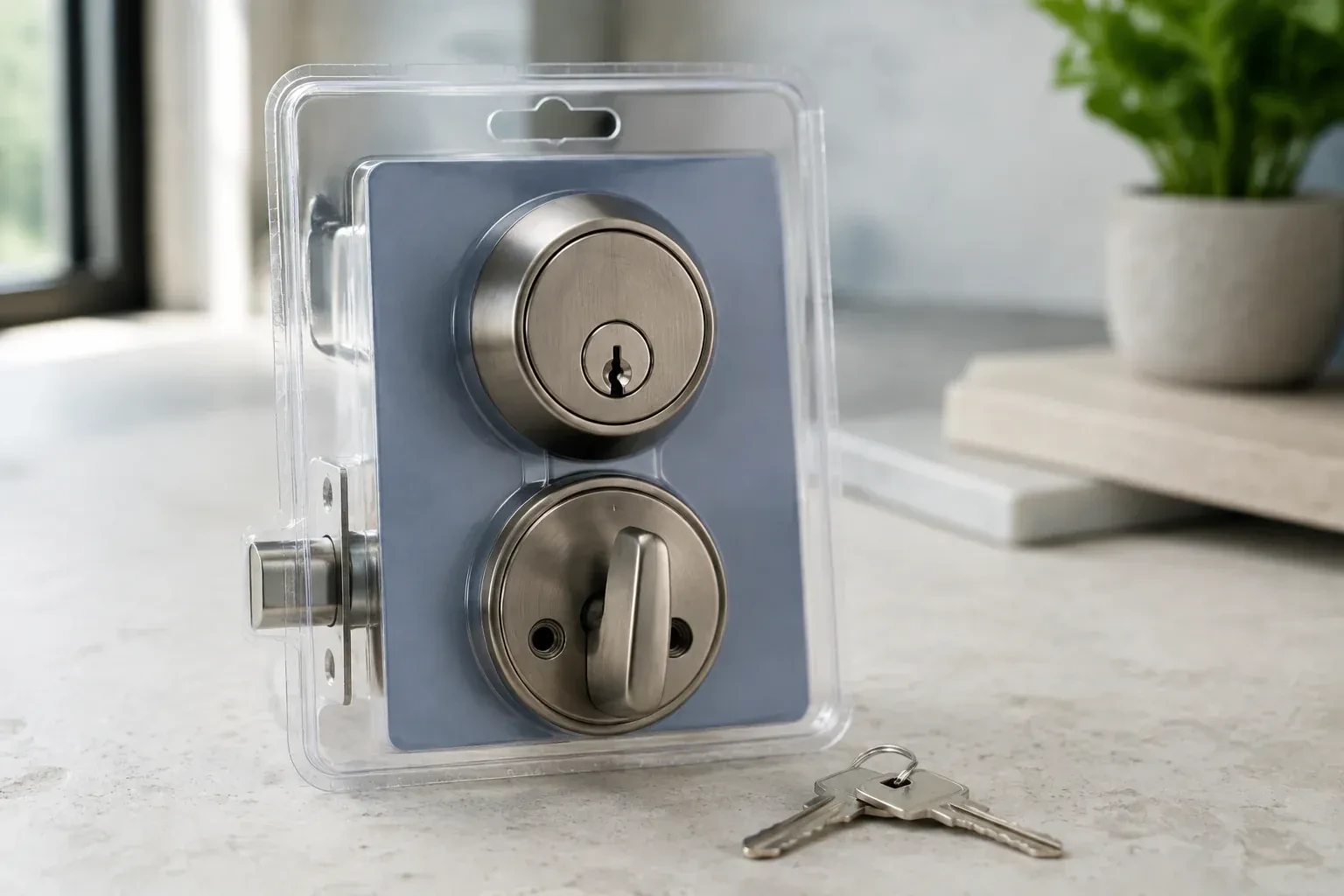
Often the stiffness is grit, old oil and tired springs rather than real wear, and those are handled while the cylinder is on the bench: the plug is cleaned, new springs go in with the new pins, and a dry lubricant finishes it. If the plug has worn oval or the housing is damaged, the locksmith shows you and suggests a replacement cylinder pinned to the same key, rather than fresh pins in a lock that will keep dragging.
What about glass beside the door or a window in it?
Glass within reach of the lock is the one case where a plain thumb-turn deserves thought. Options include a captive thumb-turn that turns freely until you remove its small key, laminated glass or a tested security-film system with its specified frame attachment, or simply setting the bolt farther from the glass. Lock manufacturers describe sidelights as a weak point, so the locksmith measures the reach and lays out the choices rather than defaulting to a key on the inside.
What happens to the old lock?
It is yours. Some people keep a sound old cylinder as a spare or move a decent deadbolt to a shed or garage door, and the locksmith can rekey it to the house key for that purpose. Worn or damaged hardware is taken away for recycling if you prefer. Either way, the old keys should be gathered up and discarded so nobody confuses them with the new set.
Do I need to prove I own the house before you work on the lock?
Yes, and it is a normal part of any lock or key work. Photo identification together with something that ties you to the address is enough. If you rent, the locksmith will ask who should receive the keys, because landlords and tenants in this province are expected to agree on lock changes and share keys. This check takes a moment and it protects every household the locksmith is asked to work for.
The house came with a smart lock. Can you make it mine?
Yes, and it is treated as a fresh installation rather than a hand-me-down. The lock is reset to factory settings using the maker's procedure, which wipes codes, schedules and paired phones, then enrolled to an account you create. Anything else that could open it, such as a hub or a voice assistant, gets its own check, because those permissions sit outside the lock. The override cylinder is rekeyed, batteries replaced and firmware updated. If the hardware is worn, replacing it is the cleaner choice.
Should every gate on my property share one key, or is it better to keep them separate?
Either can make sense, and the choice usually comes down to who uses which gate and how often. A household that walks through the front and side gates daily generally prefers one key for both, while a gate that only a landscaper or utility worker uses is sometimes kept on its own key deliberately, so lending it out does not hand over access to everything else. The locksmith can lay out both options once every gate on the property has been looked at.
What happens to the old lock and the old key afterward?
The old cylinder is removed and handed to you or taken away, whichever you prefer, and any key still floating around no longer fits anything once the new lock is seated. If the old lock was drilled out, the leftover pieces are shown to you so it is clear what was removed and why.
Do you need the safe's model or serial number before you arrive?
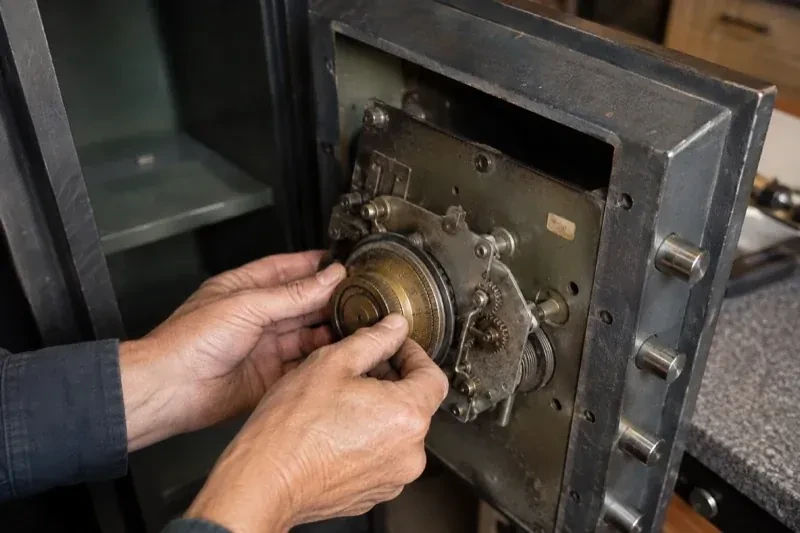
It helps but is not required. A data plate on the door or frame, a purchase receipt, or a manual kept in a drawer all speed up identifying the lock family in advance. Where none of that survives, the locksmith identifies the safe from its case shape, dial style and handle once on site, which simply adds a short assessment step at the start of the visit.
Can a safe be installed above the ground floor?
Often, yes, though the floor construction and the safe's weight both need a look first. A lighter document safe rarely raises a concern on an upper level, while a large, heavily built unit may need the floor's load capacity checked before it goes up, particularly in an older building. The route to get it there, including stairs, elevators, and doorway widths, gets measured at the same time.
Should I upgrade the front door only, or every door?
Start with the doors that matter and the ones that are weakest, which are often not the same. Front doors usually carry the sturdiest hardware already; the side door by the driveway, the door from the garage and the basement walkout often carry the lightest locks and get the least attention. The assessment walks the whole perimeter with you so the upgrade goes where entry is most likely, and the remaining doors can join the same key later.
Will rekeying affect our alarm system or card readers?
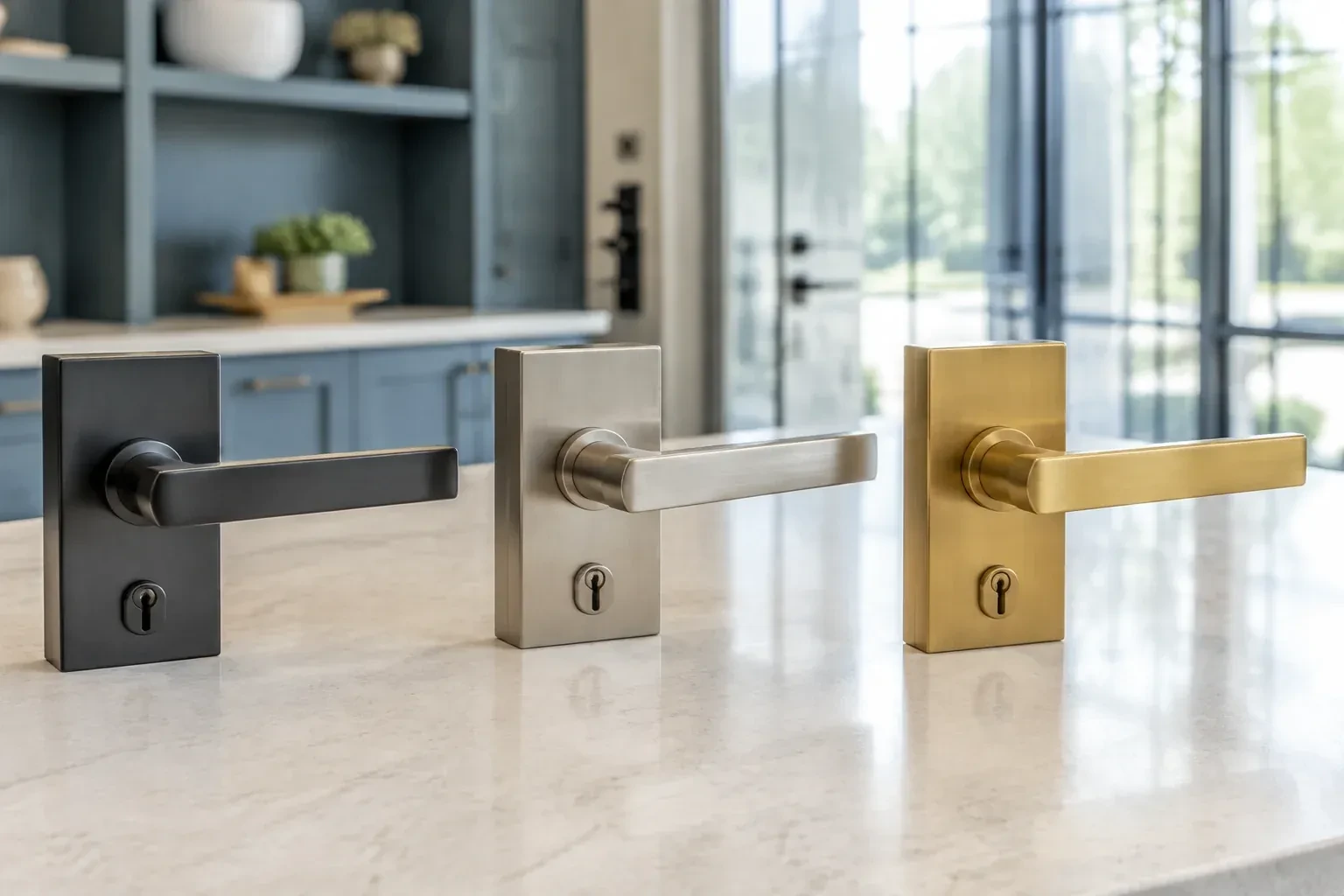
Mechanical rekeying leaves electronics alone: alarm panels, card readers and keypads keep their codes and credentials. What changes is the list of people holding keys, and it is worth updating the alarm company's keyholder list and retiring the codes of anyone who has left at the same time, since keys and codes usually walk out together. Where a door has both a card reader and a keyed override, the override cylinder is rekeyed with the rest.
What records should I keep once the system is installed?
The keying chart itself, a log of which key or fob was issued to which person or role, and receipts signed when keys change hands. Together these let the business answer, at any point, who currently holds which level and when it was issued, rather than relying on memory once the locksmith who built the system is no longer involved.
Will this work with our existing alarm or camera system?
In most cases, yes. An access control installation can be planned to share information with an existing alarm panel, so an arm-or-disarm event lines up with whoever unlocked the door, and with a camera system, so a recorded clip can be matched to a specific credential rather than only a timestamp. The exact integration depends on what the existing alarm and camera equipment support.
What outside trim options exist for an exit device?
A plain pull suits a door nobody needs to lock from outside. A lever with a key cylinder lets authorized people turn the handle and enter while the inside stays a simple push. A keyed cylinder alone, without a lever, suits occasional entry where a full handle is not needed. All three leave the inside crossbar untouched, since the trim only ever affects the outside.
What information should I have ready before the visit?
It helps to know roughly what is on the door now, knob, deadbolt, exit device or something else, whether other doors on the property share a key with it, and who in the business can authorize the work and sign off on keys. Photos of the current hardware and any fire label on the door are useful if you can get them ahead of time.
The lock is frozen and the door will not budge. What will you do?
Ice is handled gently. Lock de-icer and mild warmth free the cylinder so it turns without force, and a door stuck to its seal is released by pressing along the edge to crack the ice rather than pulling the handle, which can tear the rubber. Hot water is never used because it refreezes and can crack glass. Afterwards the cylinder is lubricated with whatever product the vehicle maker specifies and the seals are treated with silicone.
Are there vehicles where the dealer has to be involved?
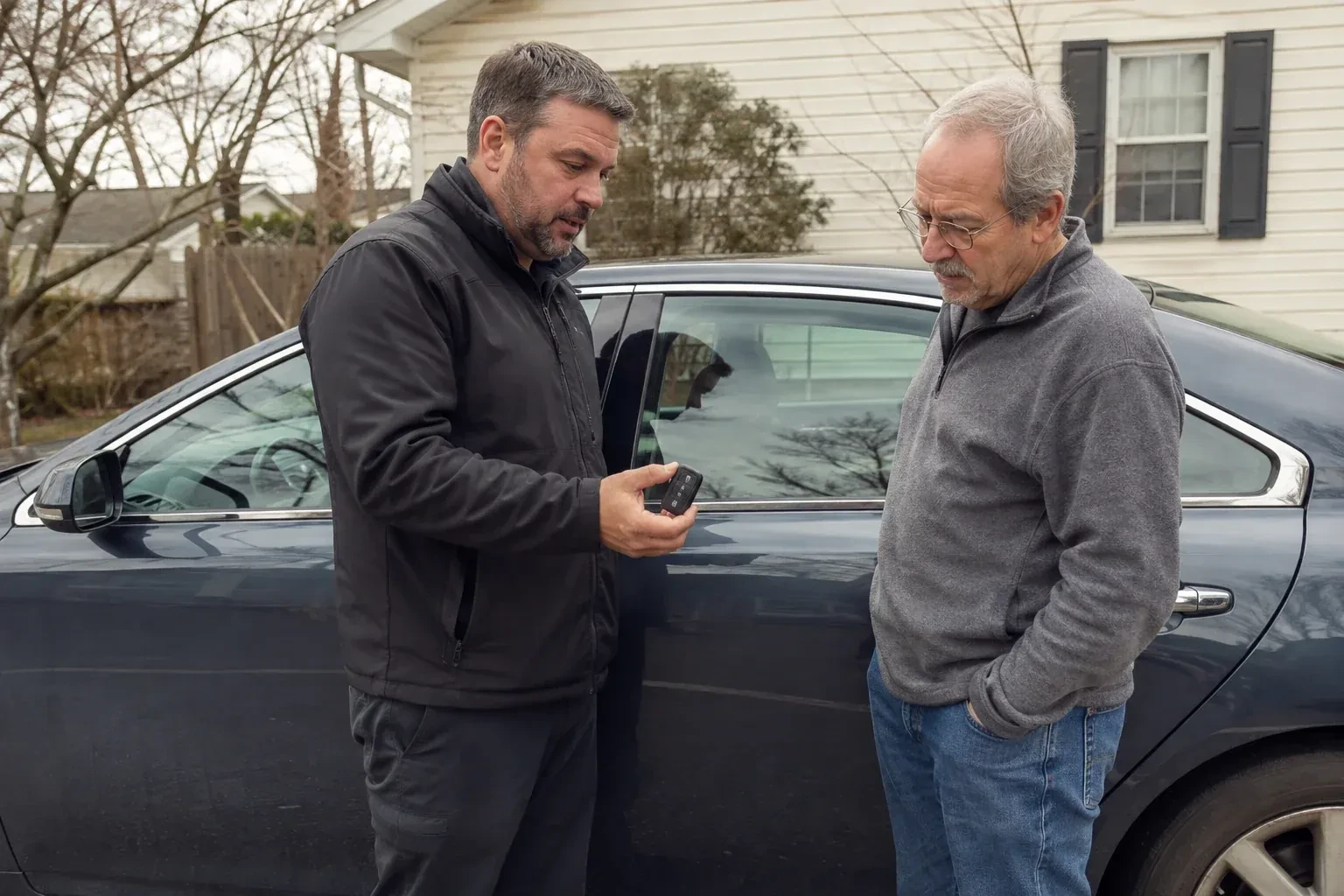
A few. Some manufacturers lock key programming behind data or tooling that only their dealer network can run, particularly on the newest models and on certain all-keys-lost situations. The locksmith checks your VIN against what the equipment supports before the visit and tells you plainly if the dealer route applies. Even then, the locksmith can often cut the emergency blade, open the car and handle the mechanical side so the dealer step is a small one.
Is cloning the same as programming a new key?
They solve the same problem differently. Cloning copies the working key's existing code onto a new chip, which some vehicles' systems permit directly. Programming instead has the vehicle itself learn a brand-new code and accept it as an additional valid key, which is how most recent vehicles with rolling codes or added cryptography are handled, since their systems are built specifically to resist straightforward copying.
How many fobs can be registered to one vehicle?
This depends on the manufacturer, since each vehicle's memory has a set limit built in, commonly enough for several drivers plus a spare. The visit checks how many the specific vehicle allows and how many are already registered, so a household adding another driver knows whether there is room before a new fob is ordered.
What happens if every key for my car is gone?
All-keys-lost work starts by re-establishing secure access to the vehicle's own immobilizer module, since there is no existing key left to vouch for a new one. Once that access is confirmed, a fresh key is cut and its chip is written into the vehicle the same way any key would be, and the visit finishes with the usual start-up test across a few ignition cycles.
My key is stuck in the ignition and won't come out. Is that a problem?
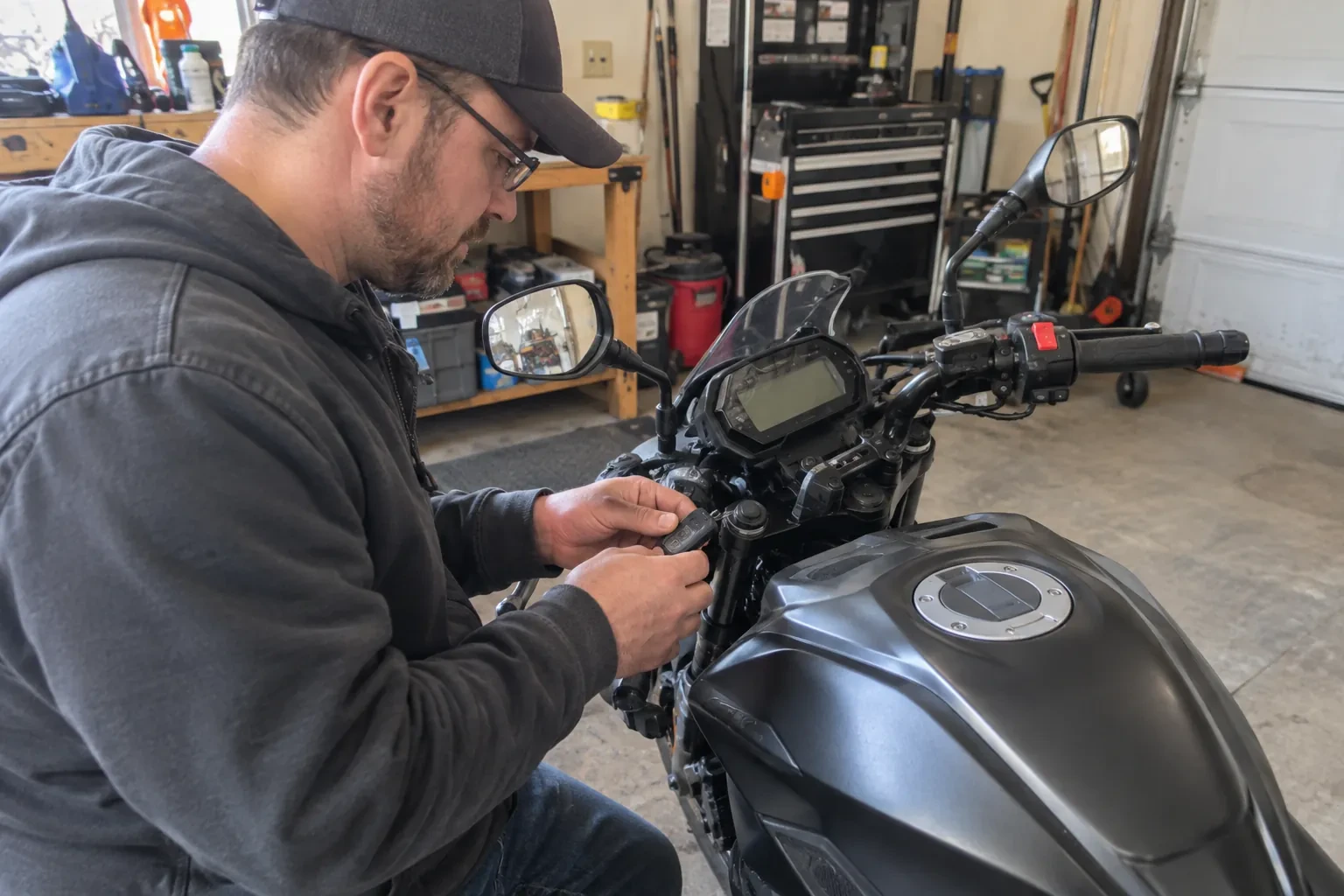
It is mostly inconvenient rather than urgent, though it is worth having looked at soon since a stuck key often means a wafer or the steering-lock mechanism is not releasing the way it should. Forcing it risks snapping the key or damaging the barrel further, so the safer route is to leave it be and have the mechanism assessed and freed properly.
My key fob case is cracked. Does that need fixing too?
It is worth addressing, since a cracked case lets in moisture and dust that can reach the circuit board and buttons inside, shortening the fob's working life. A replacement shell or a full replacement fob, paired to the vehicle, resolves this alongside any battery or pairing issue.
What counts as proof that I can request a key for this machine?
Vehicle registration or an insurance document that matches the plate is the simplest route. A bill of sale works for a recent purchase, and a dealership or family member who can vouch for the connection fills the gap when paperwork is not on hand. This check happens before any cutting or programming, since a working key should only go to someone with a genuine claim to the machine.