Commercial
Commercial Locks
Retail hardware takes abuse: doors propped open, slammed shut, hit with carts. Commercial-grade locks, reinforced strikes and robust closers are built for that, and replacing a builder-grade lock with one that fits the traffic is a common first job for a new shop.
Which one do I need?
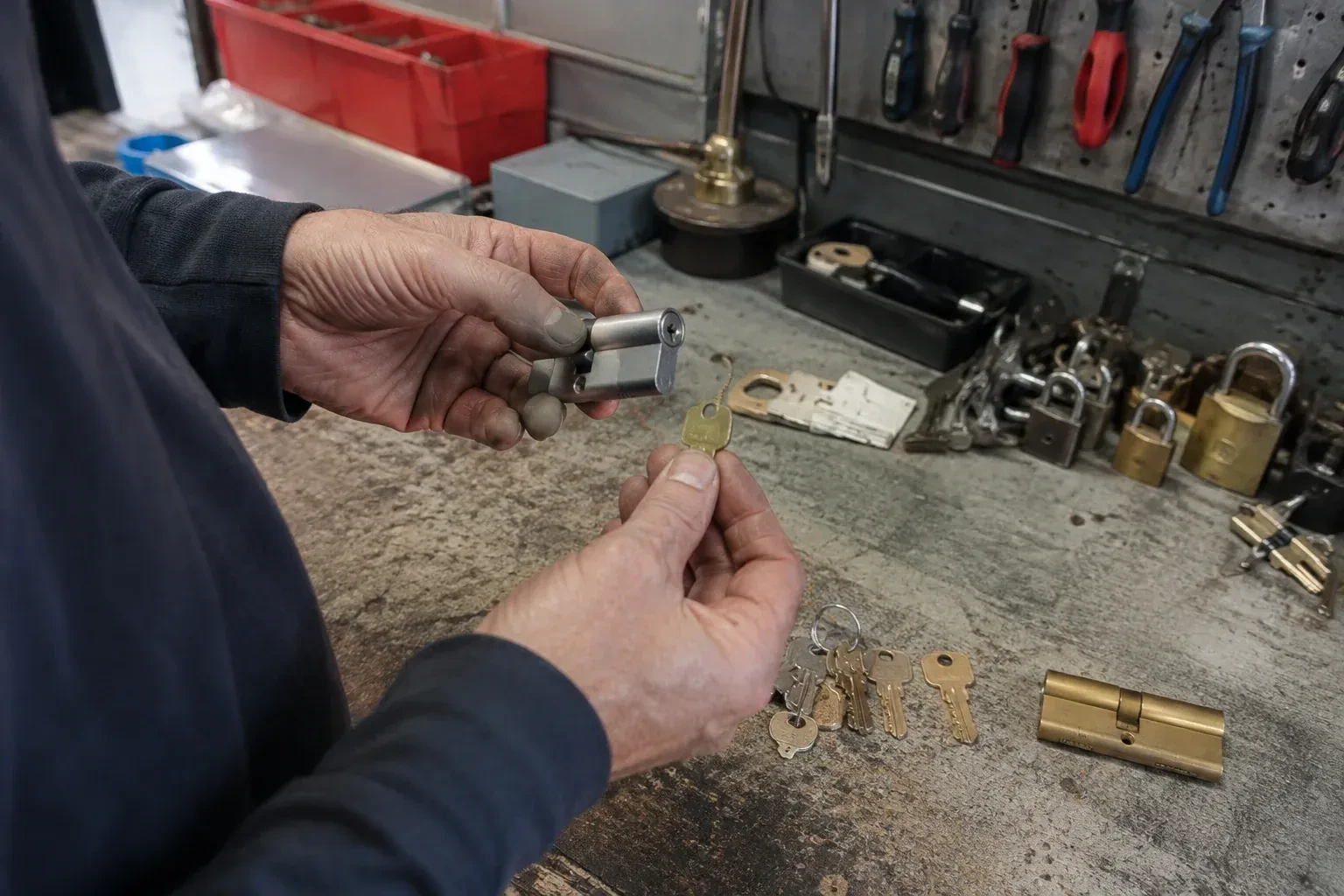
- The office has been reshuffled twice since the locks were last touched.Commercial Rekeying
- On the warehouse floor, a shift supervisor's key opens the loading dock, the tool crib and the manager's office, though only the dock is really part of the job.Master Key System Design
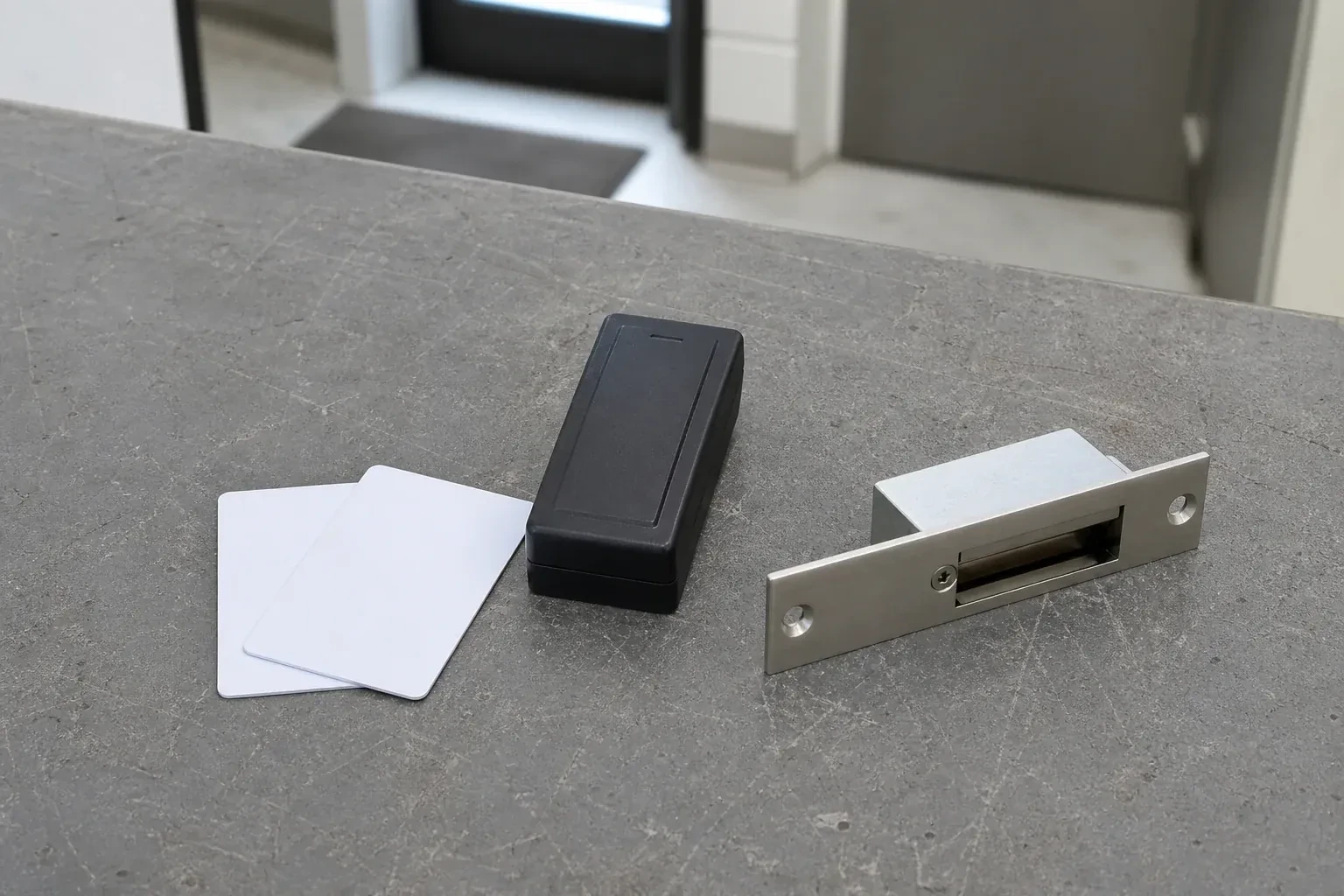
- Something went missing from the storeroom over a weekend, and when you ask who was in the building, the honest answer is anyone with a key.Access Control Installation
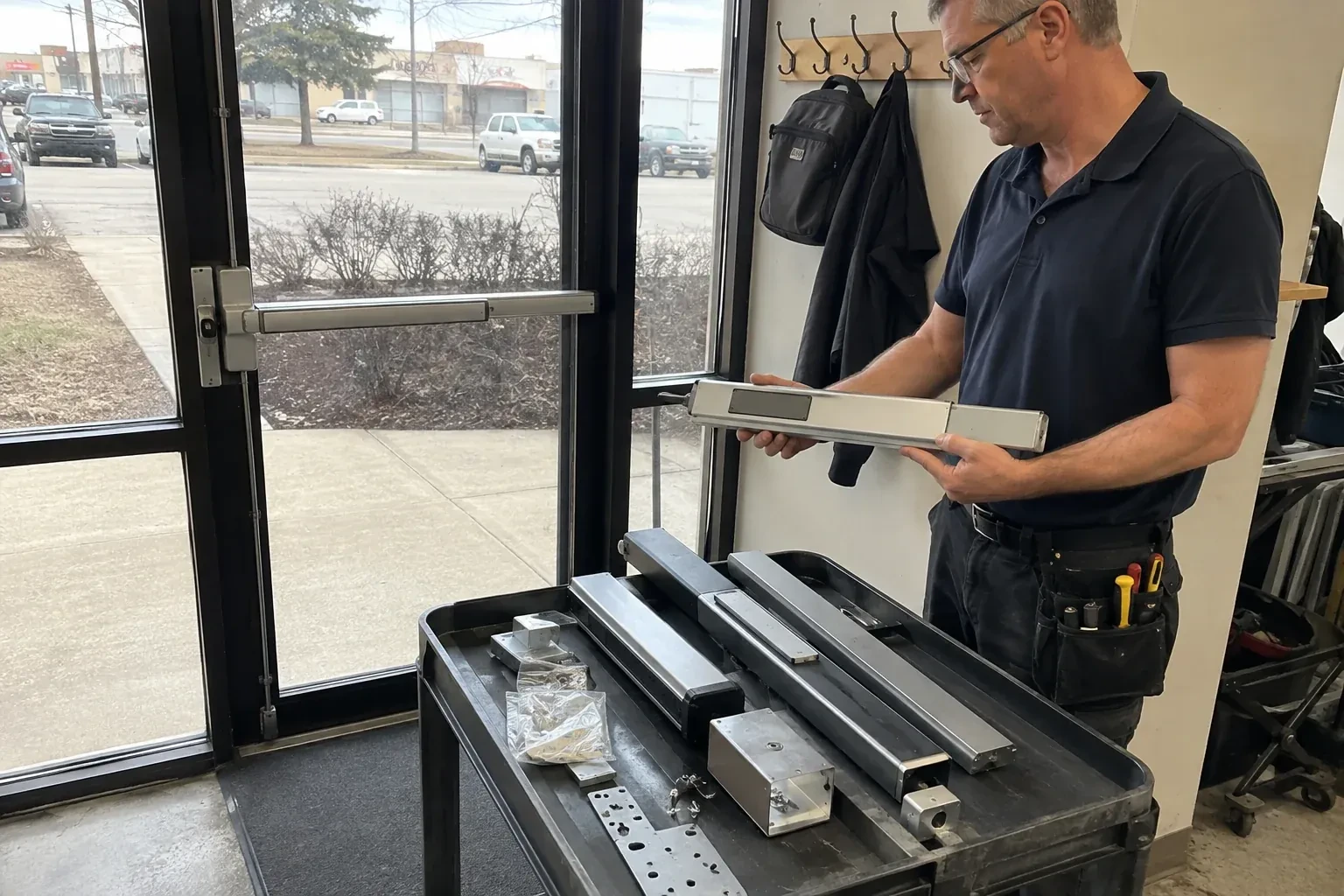
- The crossbar on the loading-dock door barely returns anymore.Panic & Exit Hardware
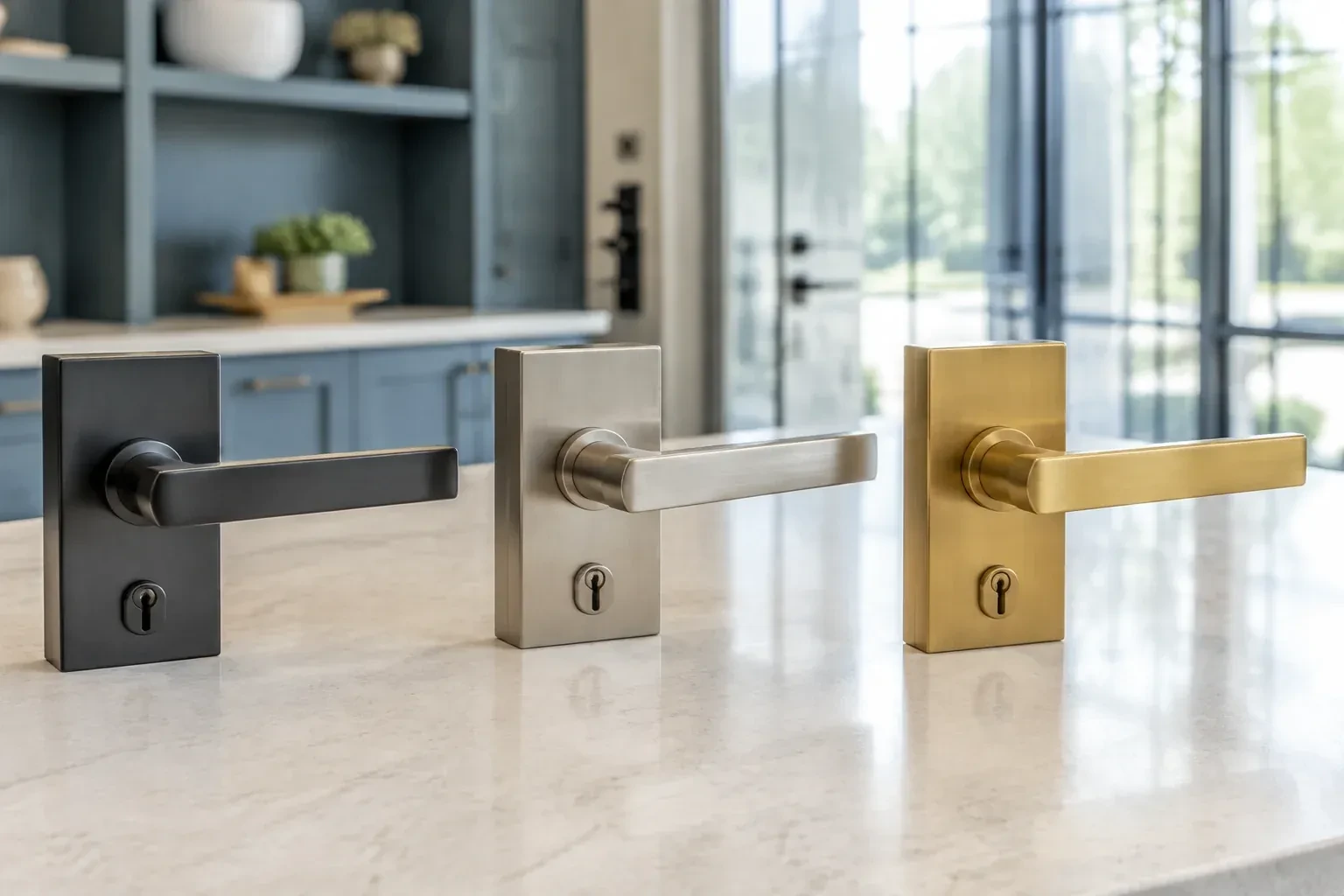
- At closing time the hookbolt on the storefront door catches the keeper only on the second or third try, and one employee has started giving the door a shoulder to force it home.Commercial-Grade Lock Replacement
Commercial Locks
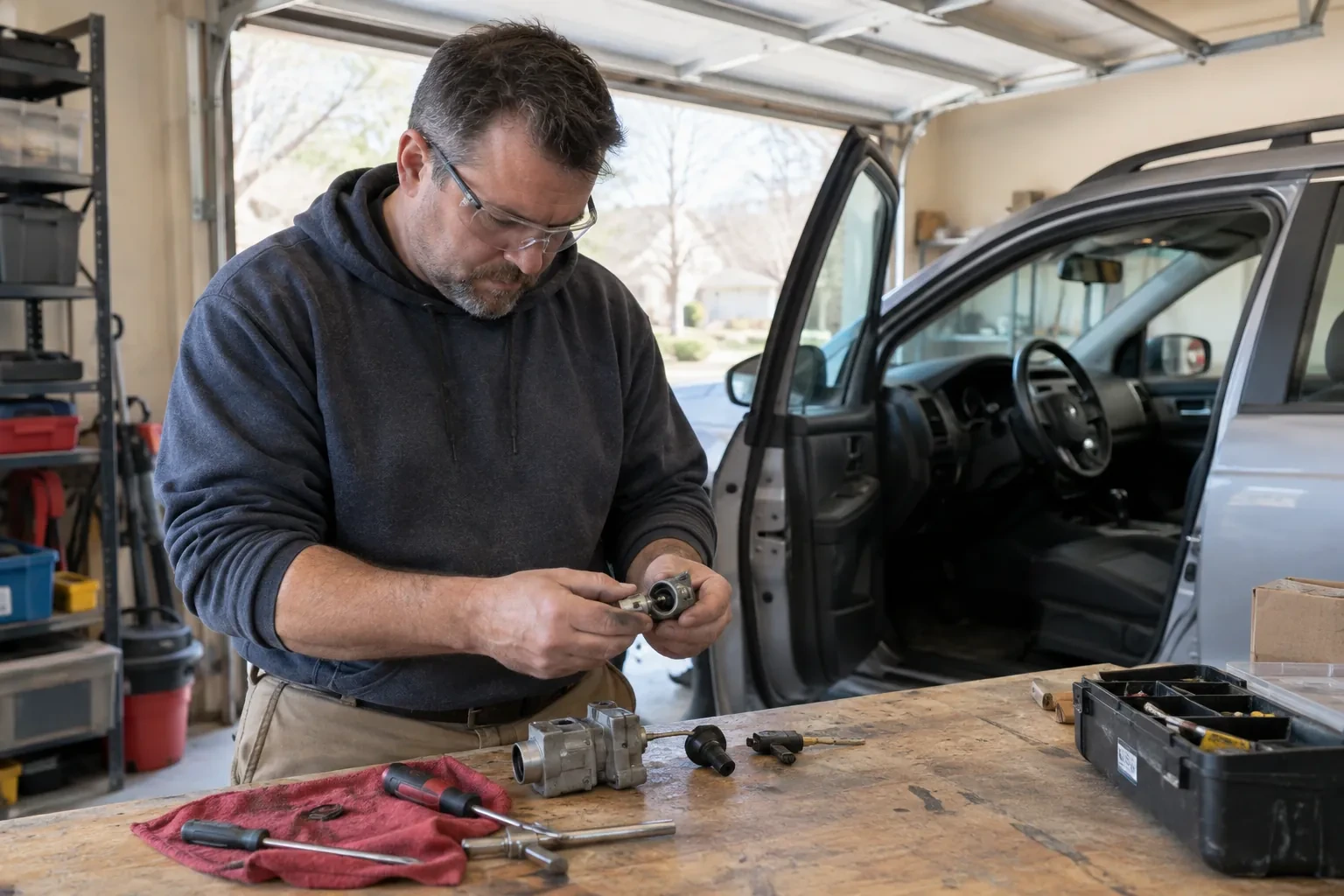
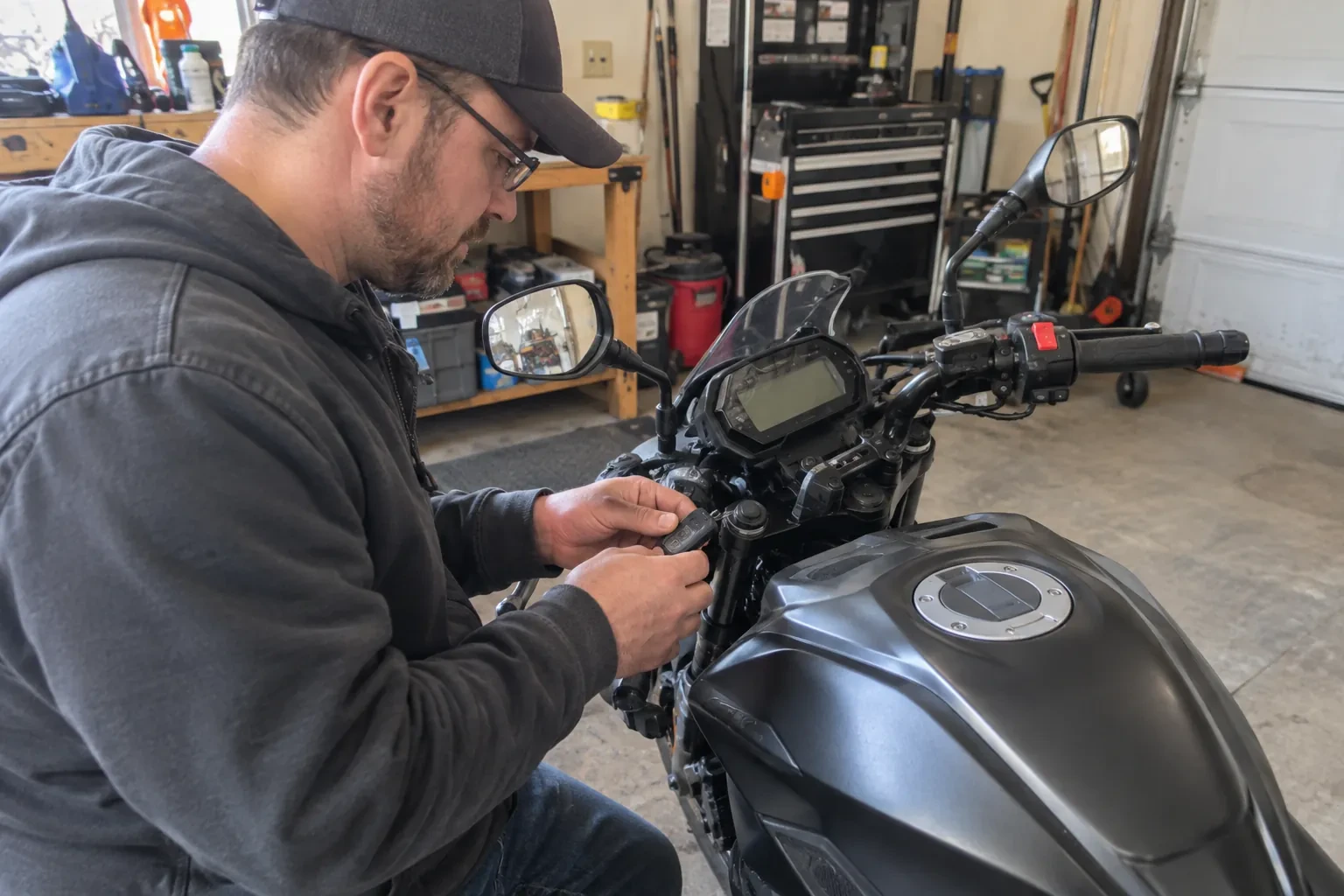
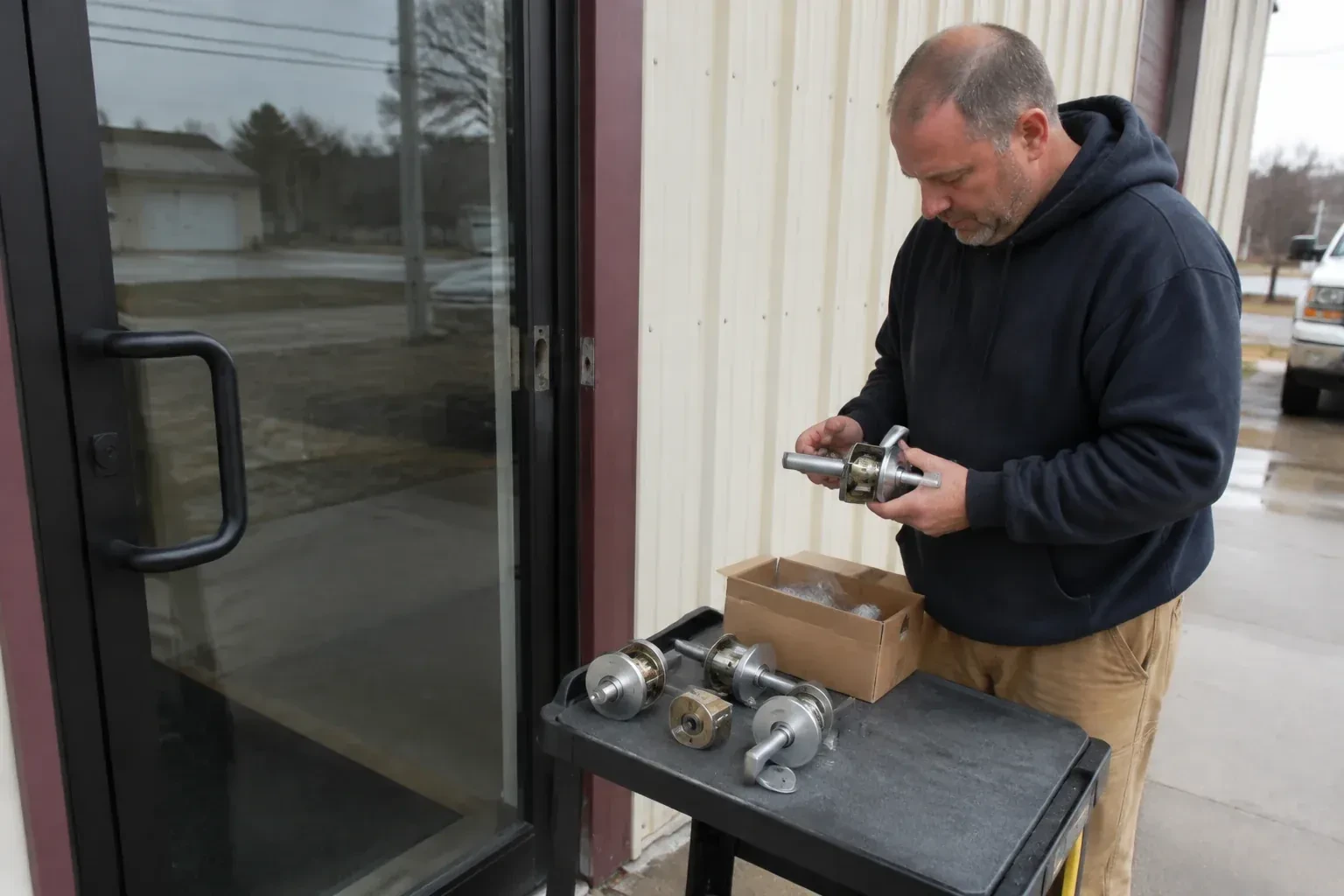
Locks for shops, offices and buildings: rekeying at turnover, commercial-grade hardware, exit devices, master key systems and access control.
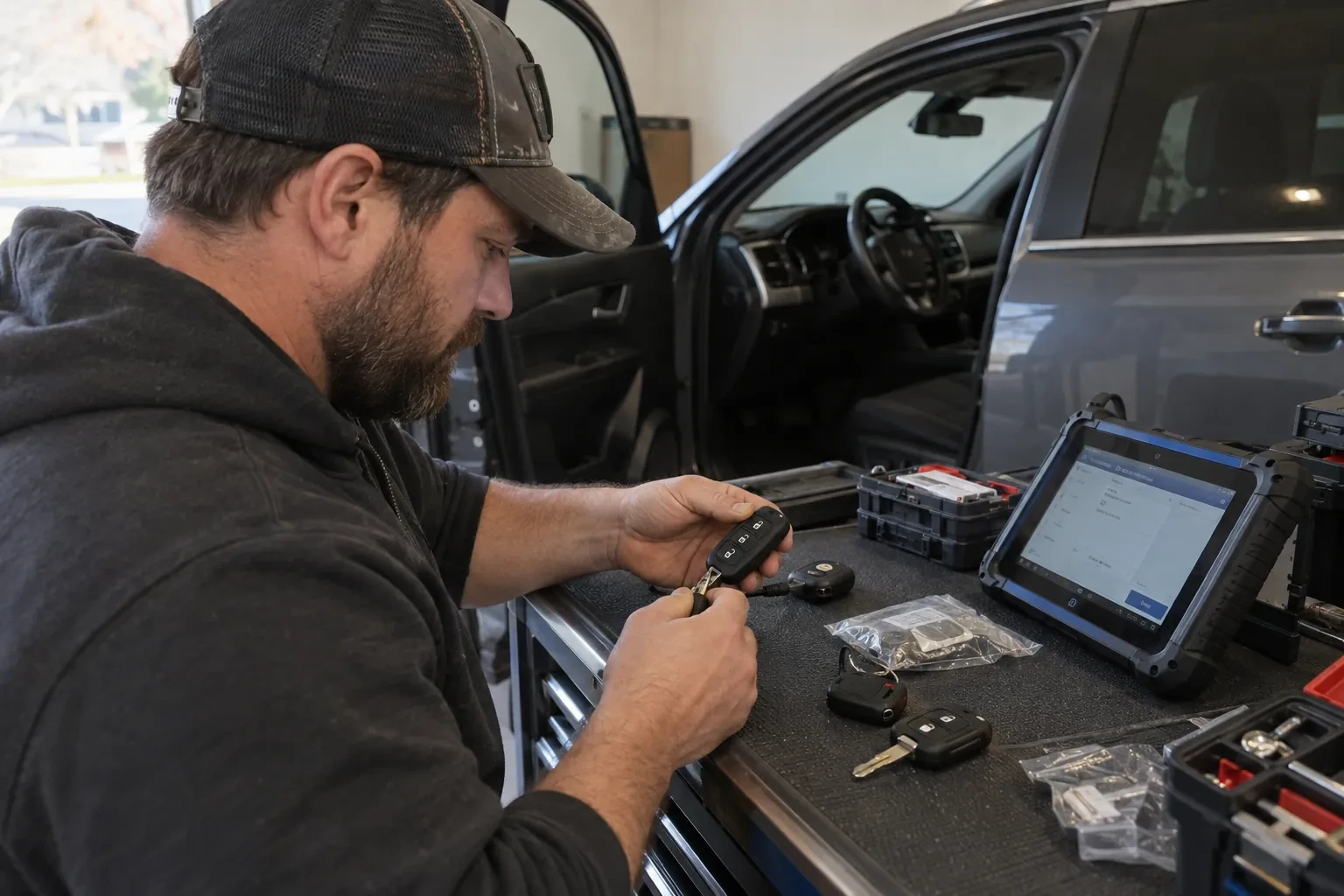
Commercial Rekeying
Choosing the window and the order of doors
The last part of the assessment is practical: when can the work happen, and in what order. A retail shop may prefer the hour after closing; a restaurant, the mid-morning lull; a warehouse, the gap between the last outbound truck and the night shift. The locksmith also asks about deliveries, the cleaning crew, the alarm monitoring company and anyone else who holds a key and needs a new one before their next visit.
From this comes a sequence, typically the doors staff use least first and the main entrance last, so there is always a working, lockable way in and out while the cylinders are being changed.