Lockouts · Mississauga
Home Lockout Service
You reached the front step with the groceries, patted every pocket twice, and the house key is simply not there.
In plain words
Winter creates its own kind of lockout. Meltwater runs into a keyway during the day and freezes overnight, a weather-exposed cylinder stiffens in the cold, and a door that shrank in January may drop its bolt out of line with the strike. A home lockout visit in these conditions is as much about the door as the lock: the locksmith thaws and frees the cylinder without forcing it, checks whether the bolt or the frame is the real obstacle, and opens the door in a way that leaves the hardware sound. A little dry lubricant and a tube of de-icer usually finish the job.
How the visit goesThe moving truck has left, half the boxes are inside, and the single key the previous owner handed over turns the knob but not the deadbolt. Someone locked it on the way out, and nobody has a key that fits it.
Home Lockout Service
How the visit goes
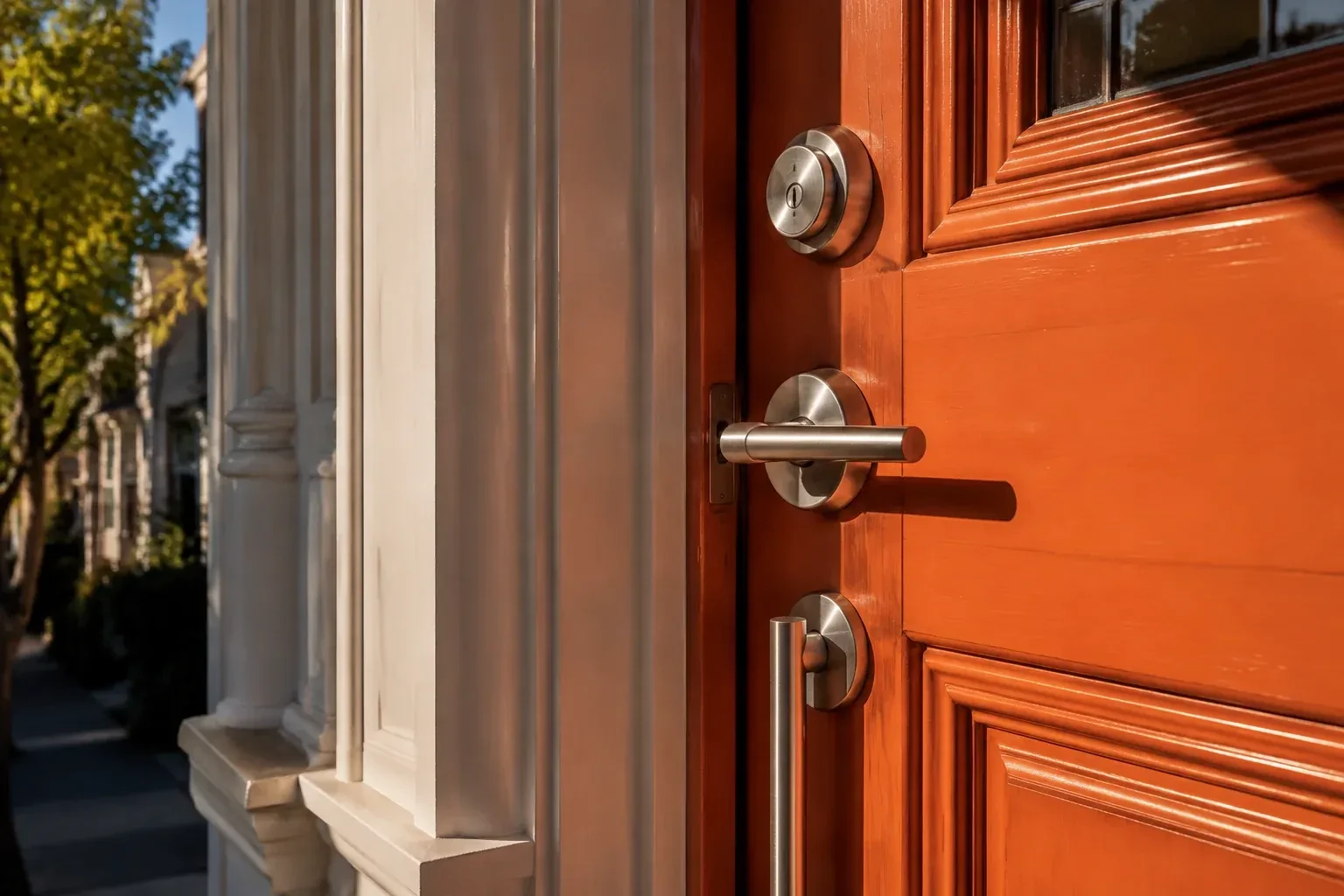
Confirming you belong at the door
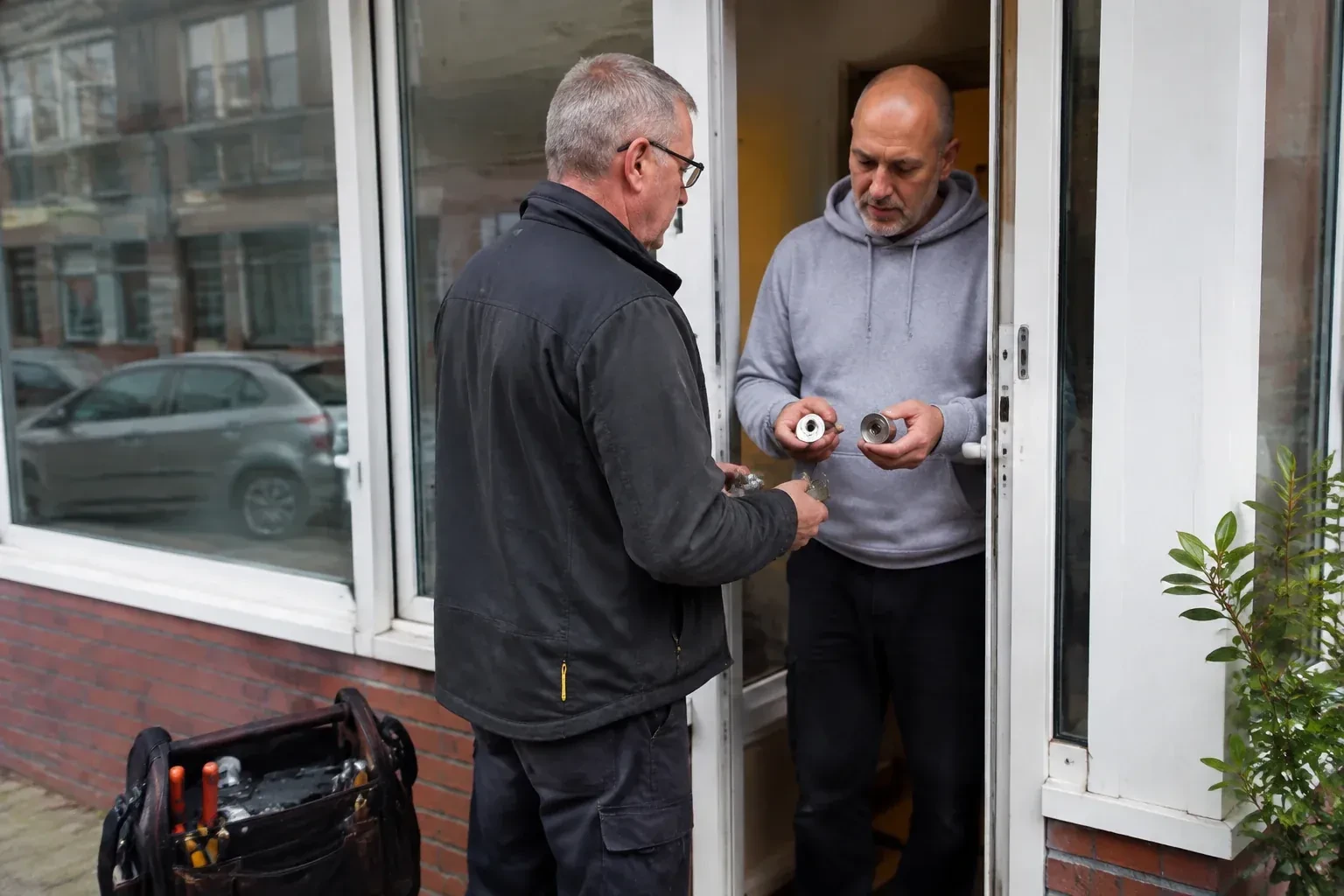
Before any tool comes out, the locksmith confirms that the person asking for entry has the right to it. Photo identification with the address on it is the simplest route. When the card shows an old address, a lease, a property tax notice, a utility bill on your phone or a call to the property manager fills the gap. If everything that proves it is inside, the locksmith notes that and completes the check once the door is open, before leaving. This is a courtesy to every household on the street as much as to you, and good locksmiths treat it as the first step of the job rather than an obstacle.
Getting past a dead smart lock
A keypad lock that has lost power is usually opened by giving it power back. Many models expose two small terminals under the keypad that accept a fresh nine-volt battery held against them, which wakes the lock long enough to enter a code. If that route is unavailable, the locksmith removes the cover over the mechanical override and picks or decodes that small cylinder like a conventional lock. Where the lock has no keyway at all, that model's own recovery method is used instead. Afterwards, batteries are replaced, the door is confirmed to relock automatically if it should, and any forgotten code is reset from the inside.
A door that locks the way it should
The visit ends with the lock working smoothly from both sides. The locksmith cycles the key several times, throws and retracts the bolt with the door open and then closed, and listens for the clean click of the bolt seating in the strike. You are shown anything that was noticed along the way, such as a loose handle or a strike screw backing out, so nothing is left as a mystery. Any hardware that was replaced is demonstrated and the packaging left with you. The door is closed and locked once more with your own key before the locksmith leaves, so you see for yourself that you are back in control of it.
Home Lockout Service
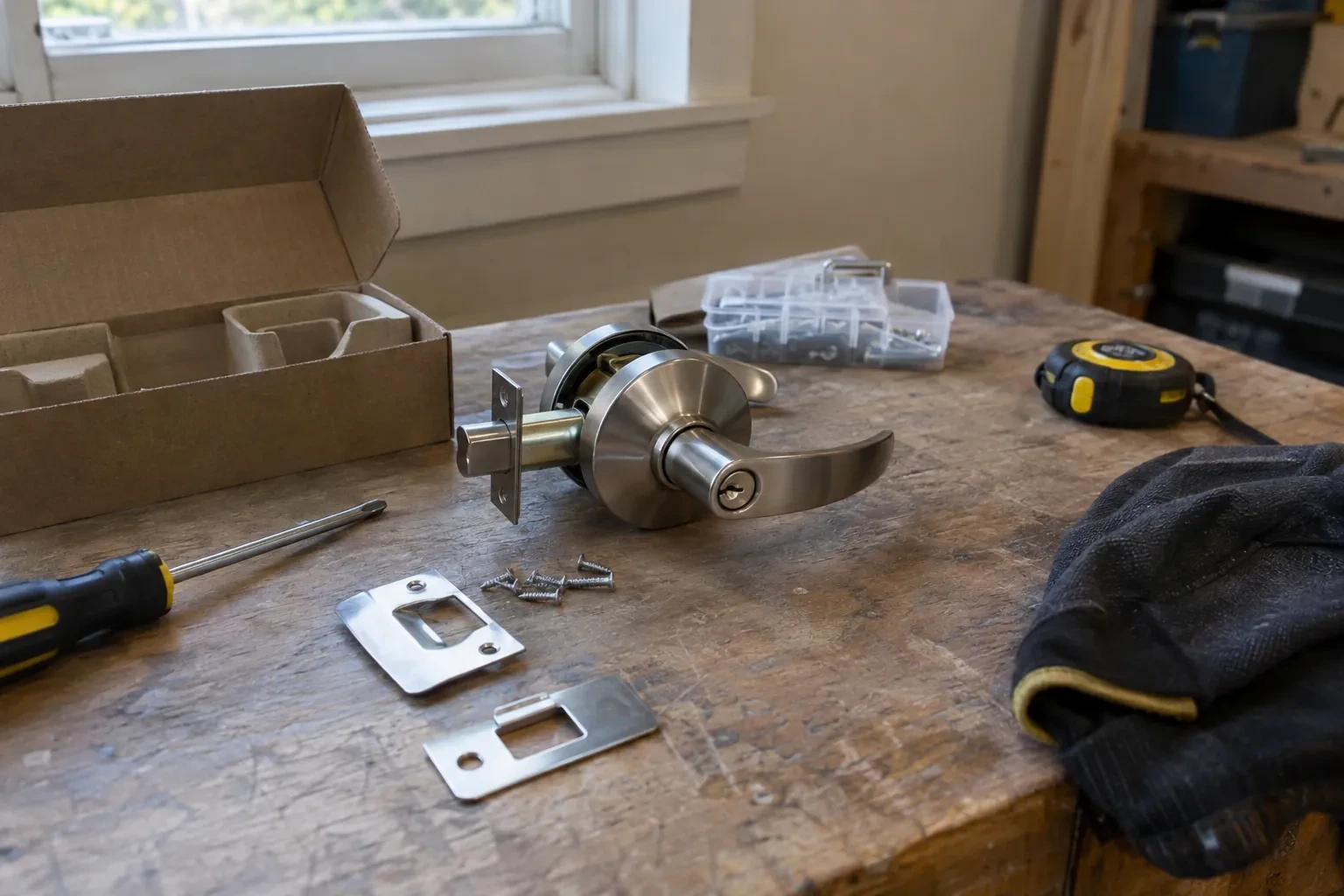
In the van
Nine-volt battery for smart locks
Strike plate and long hinge screws
Plug spinner
Latch and bypass tools
Pick and tension tools
Home Lockout Service
What affects the quote
Time of the call
A home lockout costs the same amount whatever the hour, weekend or holiday included, since locksmiths are reachable day and night. The exact figure is confirmed at the door once the lock, the door and how many locks need opening have been looked at in person.
Keying other doors to match
Bringing the back door, side door and garage onto the new key after a rekey is extra work per cylinder, and simplest to arrange during the same call-out.
Electronic lock work
A dead smart lock may need batteries, a reset, reprogramming of codes or pairing to your phone once the door is open. Each of those is a small task that the quote names separately.
What to have ready
- Is the door swollen, sagging or hard to close even when it is unlocked?
- Is the lock a keypad or smart lock, and does it have any power left?
- Is the key inside the house, lost, broken in the lock, or turning without opening?
Home Lockout Service: questions
QuestionsMy key turns but the door stays locked. What is going on?
A key that spins freely without moving the bolt usually means the connection between the cylinder and the bolt has failed: the tailpiece or cam at the back of the cylinder has broken or slipped, or the internal parts of an older mortise lock have worn. The good news is that this is a hardware fault rather than a lost key, so once the door is opened the fix is a repaired or replaced cylinder and your keys keep working.
Can you open an interior door such as a locked bathroom or bedroom?
Yes, and these are usually gentle jobs. Privacy locks on bathroom and bedroom doors are built with a small emergency release on the outside, and when that has been painted over or stripped a locksmith can still operate the latch from outside with the right tool. Older interior doors with a keyed mortise lock or a bit key are opened by picking or by cutting a key to the lock. The door and trim stay as they were.
Should I try to get in myself before calling?
By all means check the easy things: another door, a family member with a spare, a neighbour holding a key. Beyond that, it pays to wait. Credit cards bend latches, screwdrivers scar cylinders, and a forced window costs far more than a lockout visit and leaves the house less secure. A locksmith arrives with tools shaped for the exact hardware on your door, and an undisturbed lock is the easiest kind to open cleanly.