Locksmith in Mississauga, OntarioYour shop's front dooris your first impression
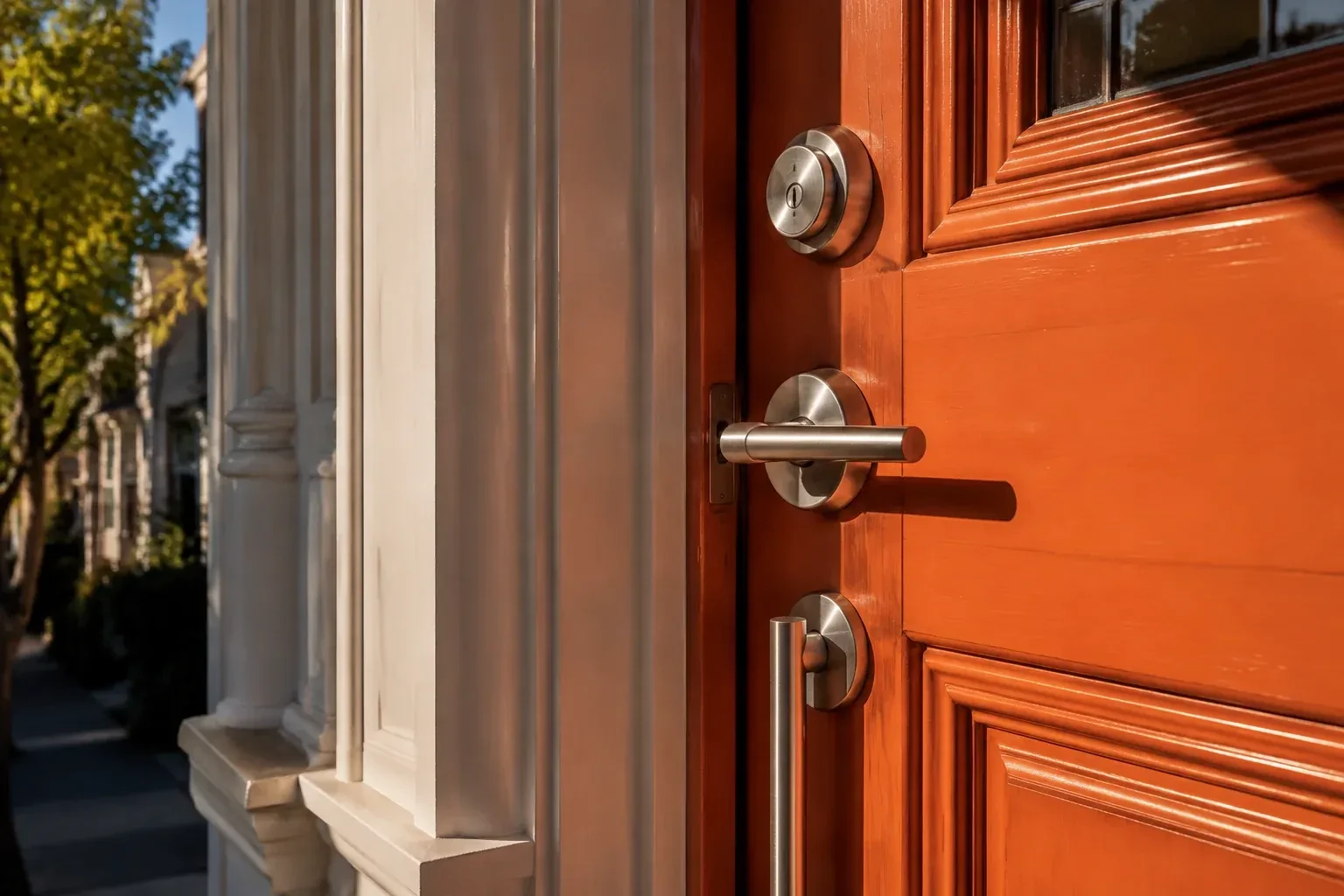
Customers in Mississauga notice a storefront door that slams, drags or needs a shoulder. We service the closers, pivots and locks that keep a commercial entrance quiet and secure, fit cylinders that resist tampering, and set the hardware so the door greets people properly and locks tight after close.
Customers in Mississauga notice a storefront door that slams, drags or needs a shoulder. We service the closers, pivots and locks that keep a commercial entrance quiet and secure, fit cylinders that resist tampering, and set the hardware so the door greets people properly and locks tight after close.
Honest advice about your locks.
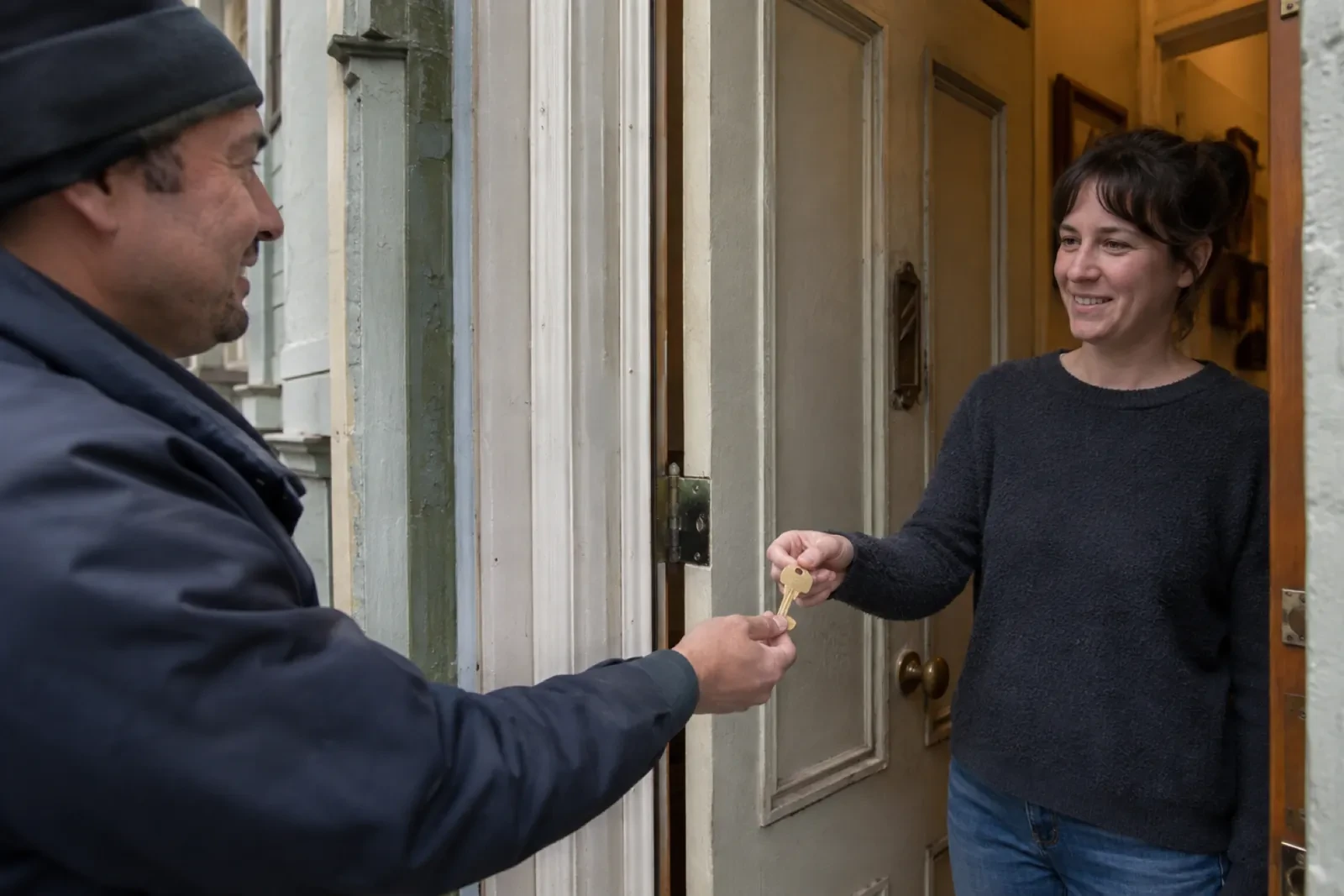
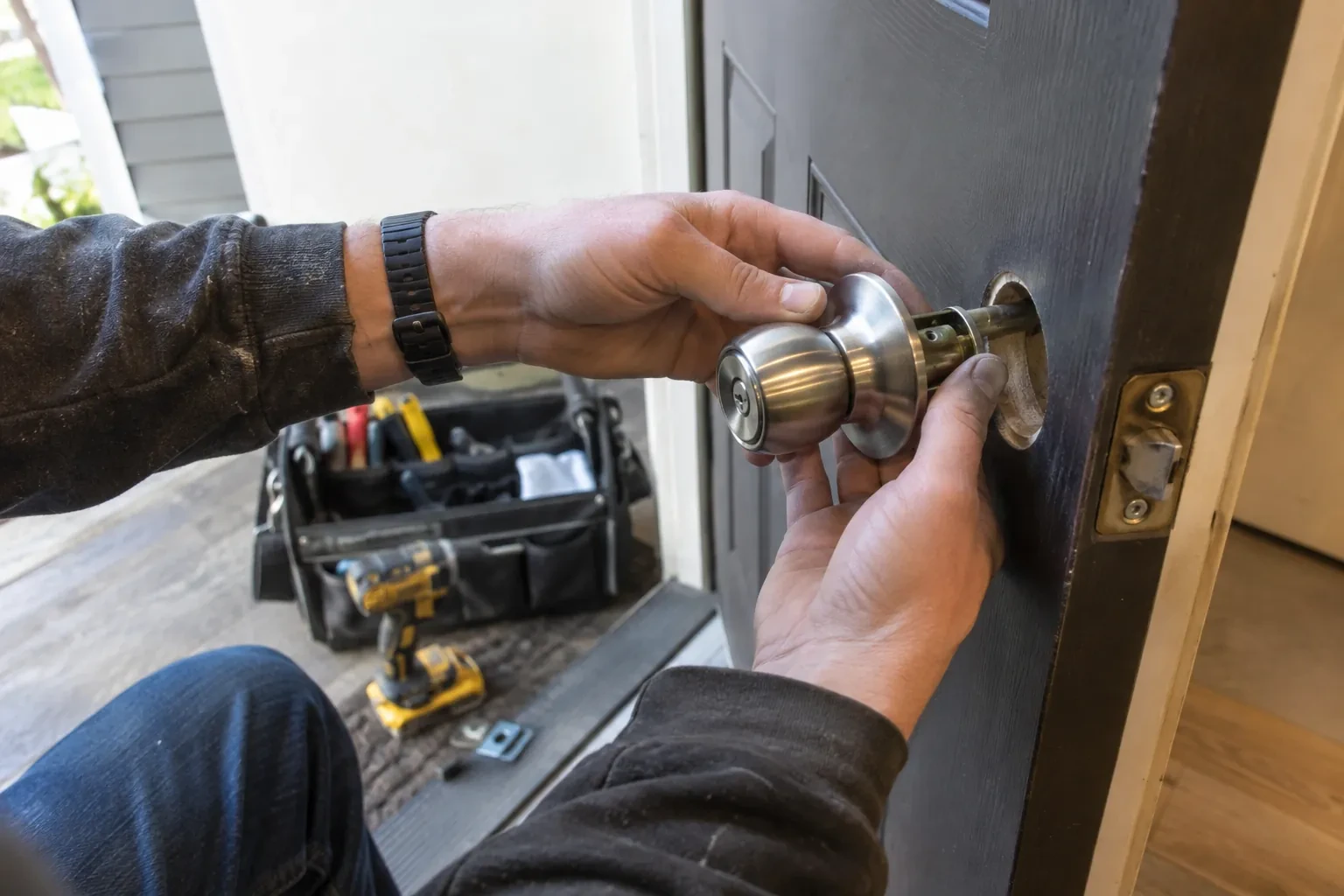
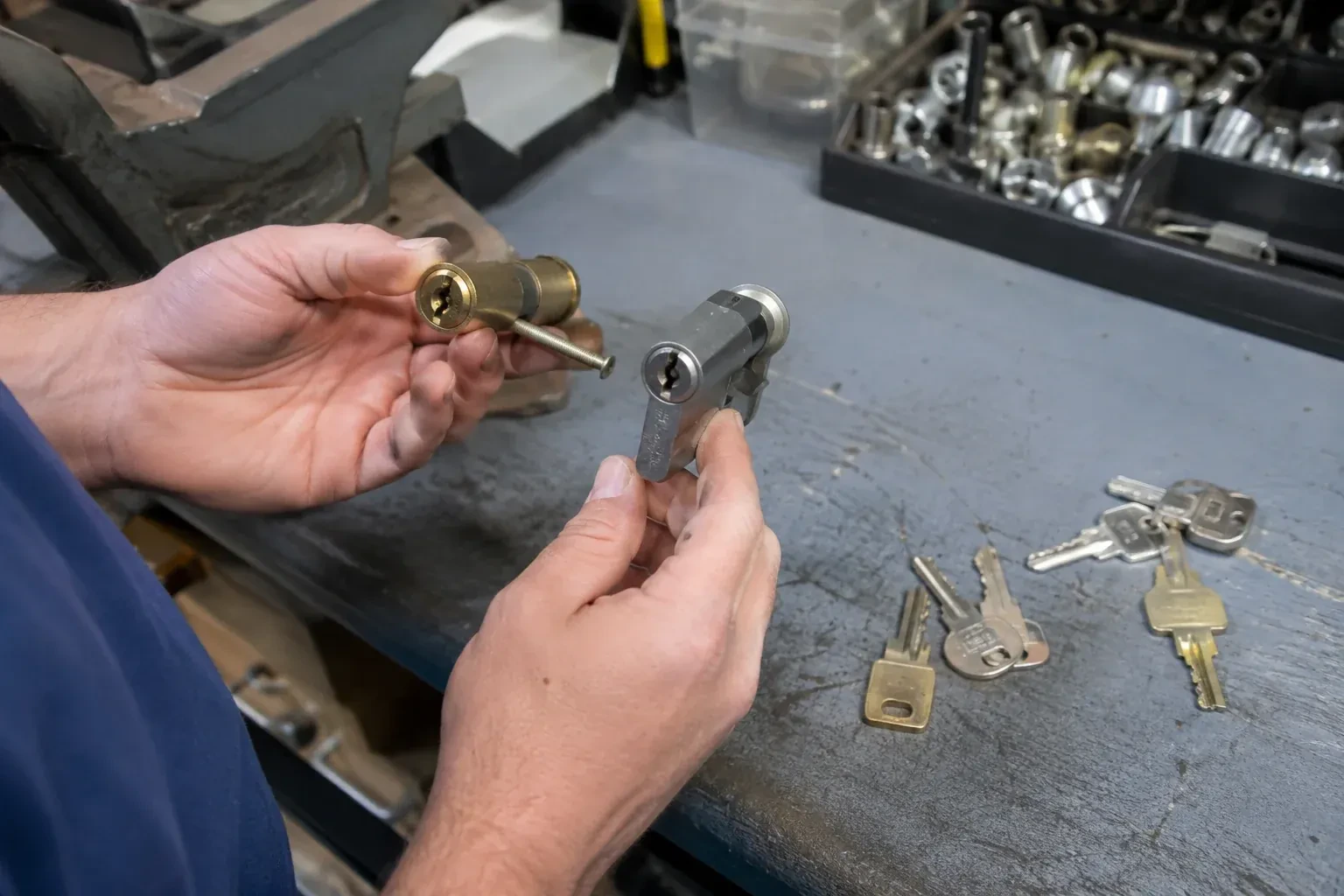
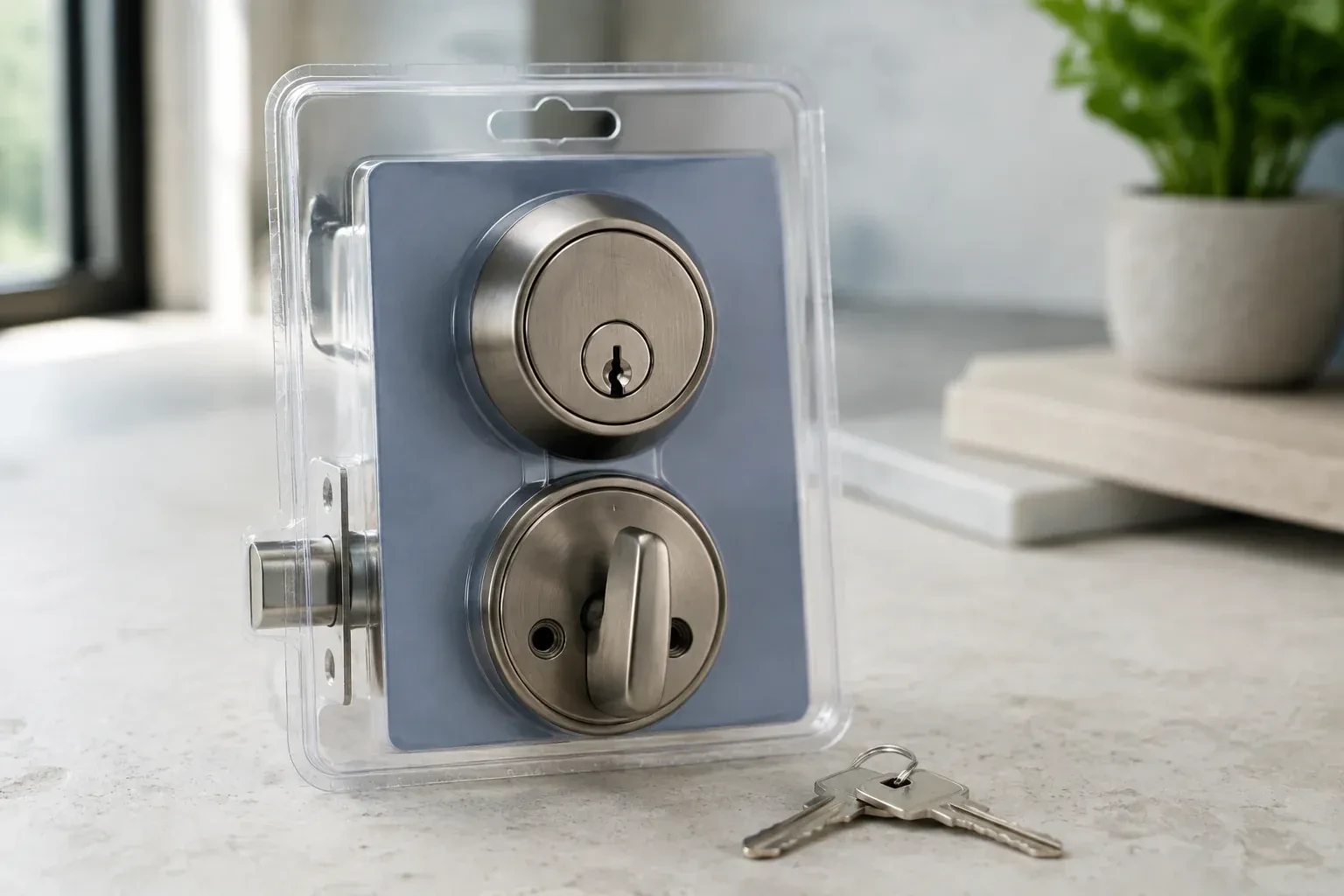
Every key we cut in Mississauga is tested in the lock it belongs to before we leave. It sounds obvious, but a key that works on the bench and sticks in the door is a common complaint about lock work. We turn each one, from both sides where the door allows, and adjust the cut or the cylinder until every key slides in and turns cleanly.
Tenants and landlords in Mississauga both call us about locks, and the good practice is the same: the owner agrees to changes, the keys are accounted for and the hardware stays in good order. We help with rekeying at turnover, replacing worn locks and adding a thumb-turn inside so everyone can leave without hunting for a key.
22years in business
24/7open every day
A straight assessment. If the lock is fine and the door just needs adjusting, we say so. If it has reached the end of its life, we say that too, and show you why.
Options laid out side by side. Repair, rekey, replace or upgrade, with what each involves and what it changes. You pick; we do not steer you toward the biggest job.
Finished, not nearly finished. Every key tested in every lock, every screw tight, every strike aligned, and the packaging in our van rather than your bin.
These are the services we bring to doors across Mississauga. Residential work covers lockouts, rekeying, lock replacement, deadbolts, smart locks and older hardware brought back to life. Commercial work covers storefront doors, exit devices, closers, master keys and safes. Vehicle key cutting rounds out the list when it is needed.
About 38% of homes in Mississauga were built in 1980 or earlier, according to the 2021 Census.
In an area of varied housing ages, rekeying is the one job that fits every door. Old cylinders and new ones both take fresh pins, so a household moving into either kind of home can start with keys that nobody else holds.
Single-detached houses make up about 37% of homes in Mississauga (2021 Census).
Attached housing turns over more often than detached, so rekeying between tenants or owners is a constant. Because suite doors tend to be standard, the job is usually a straightforward pin change and a fresh set of keys cut on site.
It is ten to nine, three staff are on the sidewalk with their coffees, and the key that has opened the glass front door for six years will not turn. The cylinder feels gritty, the door is locked, and the first customer is already parking.
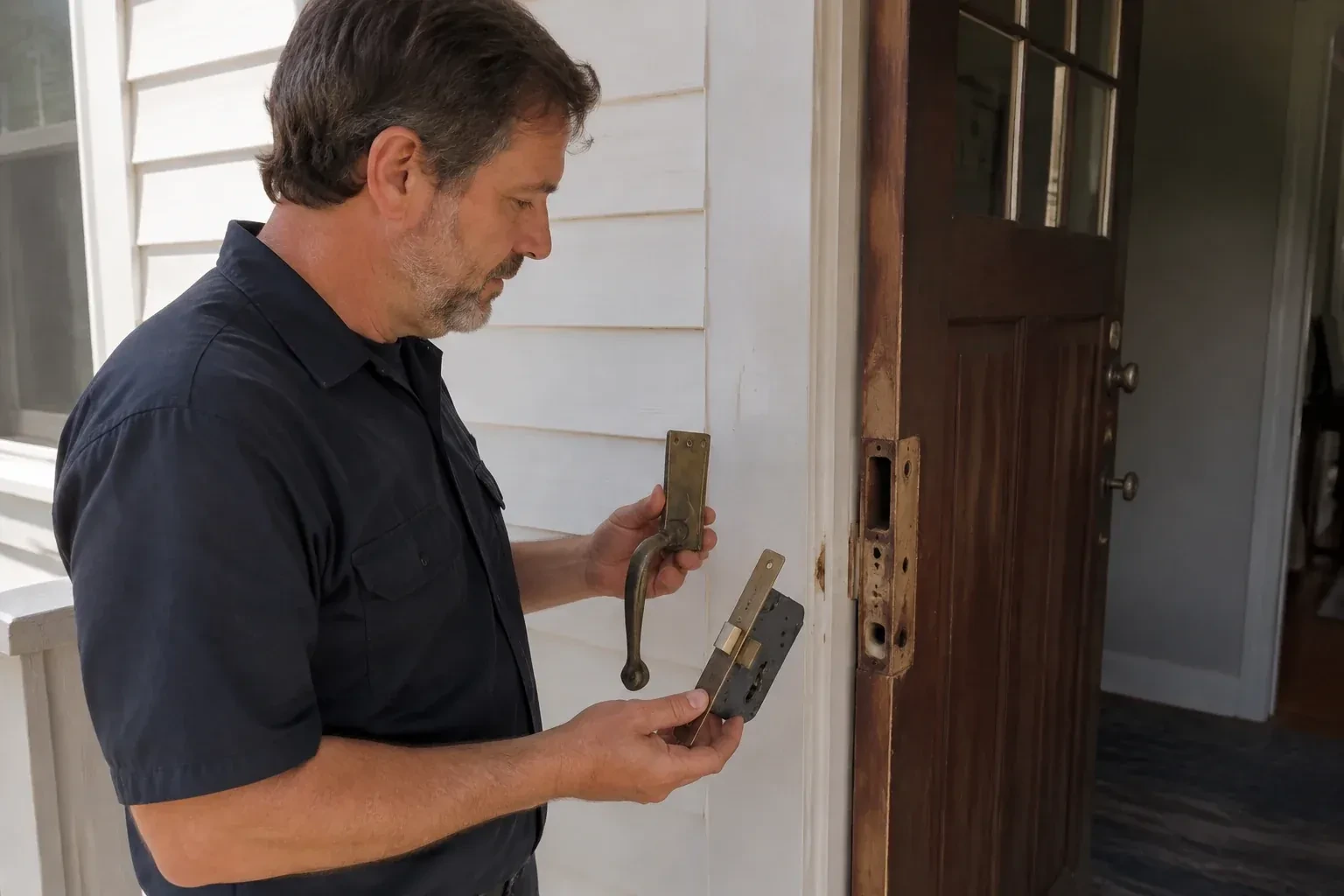
The old skeleton key still fits the keyhole, but it now needs a jiggle, a lean on the door and a little luck before the bolt moves. Last week it took three tries. You have one key and no idea where a second could come from.
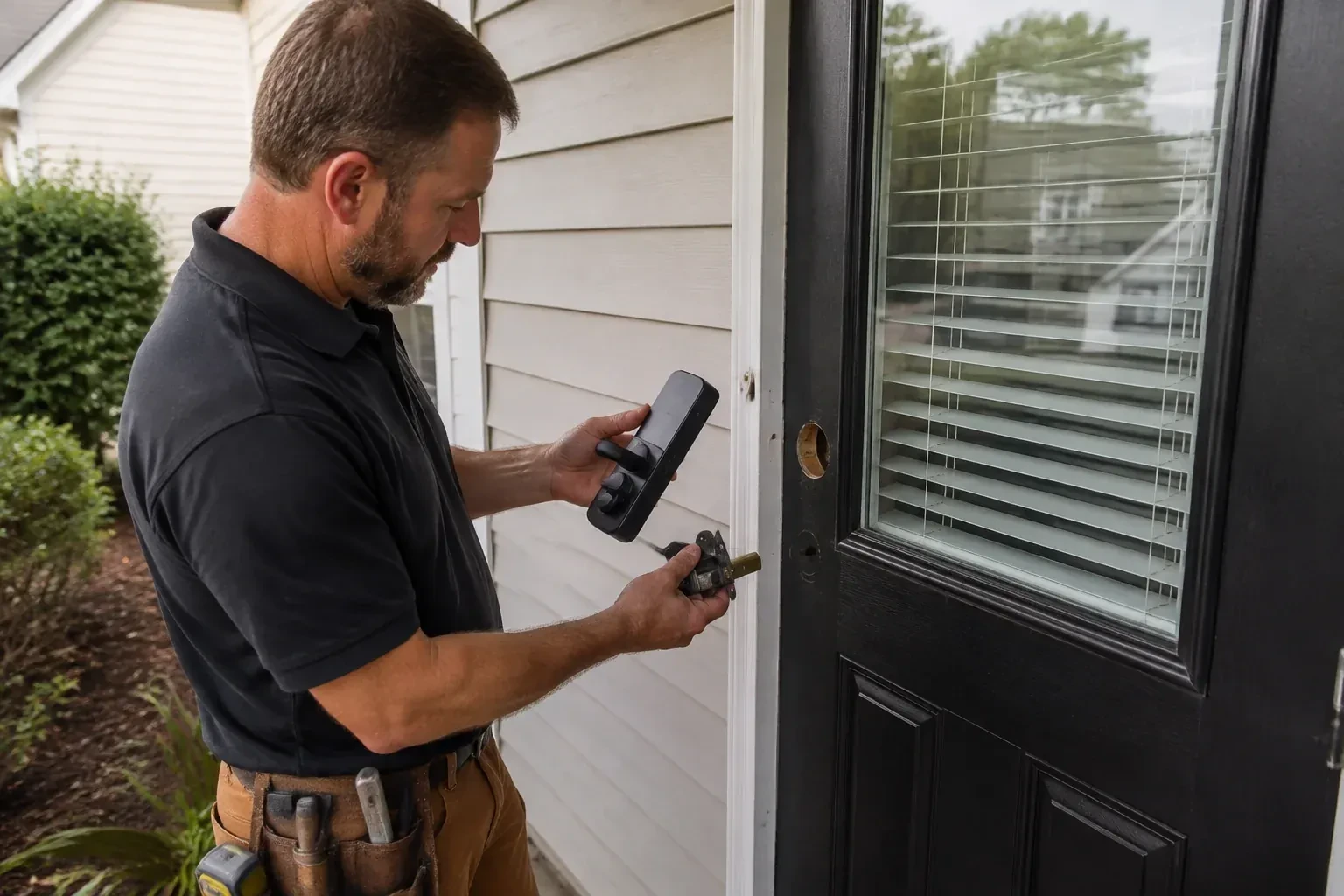
The rental turns over every few months and each time you drive across town to swap keys, then wonder whether copies were made. A lock with codes you can set and erase from your phone would end that cycle.
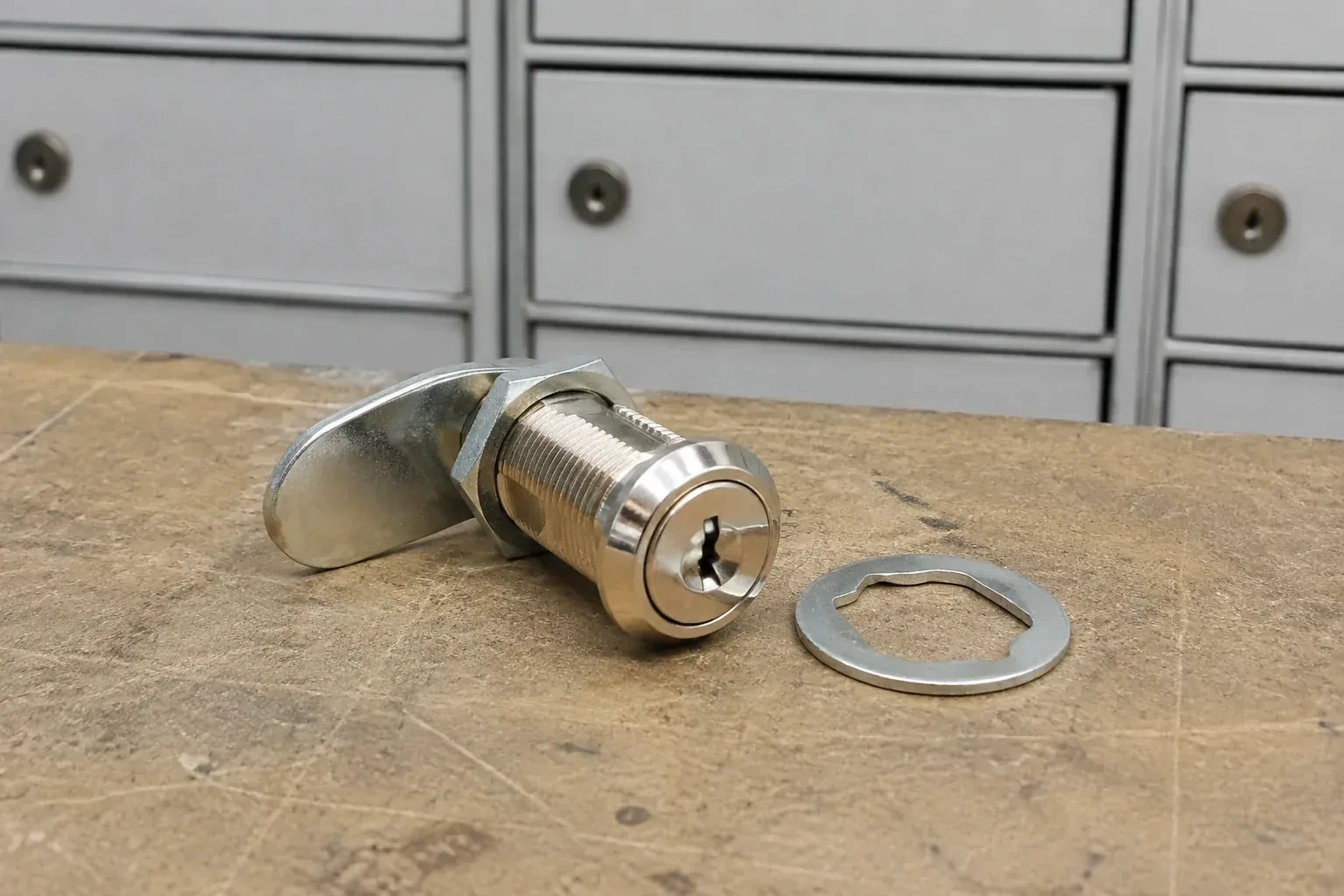
Someone tried to pry the little door on the mailbox open with a screwdriver, and though the mail sitting inside is untouched, the lock now sits crooked in its hole and the key barely catches when it is turned.
You jiggle the key a little and the old deadbolt opens even when the cut does not look quite right. If your worn key can do that, you wonder what a stranger with the right tools could do.
After the fit-out, the gym floor now holds more people than the old office space ever did, and the exit door at the back still has the same turn-lock it had when the room held desks.
After a slushy week the key barely reaches accessory before it stalls, gritty and reluctant, where it used to move cleanly through every position. Warming the car up in the driveway hasn't changed how the barrel feels at all.
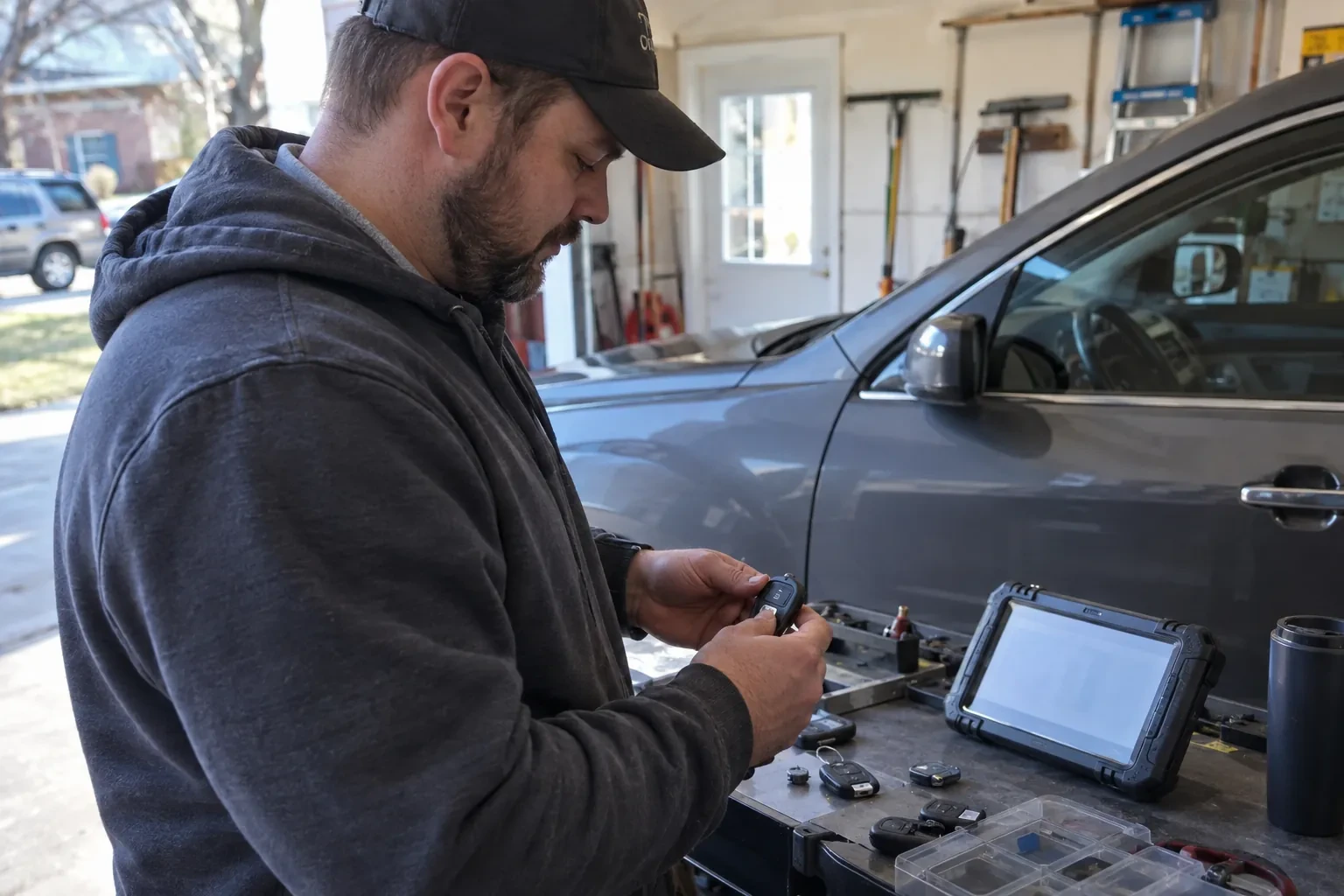
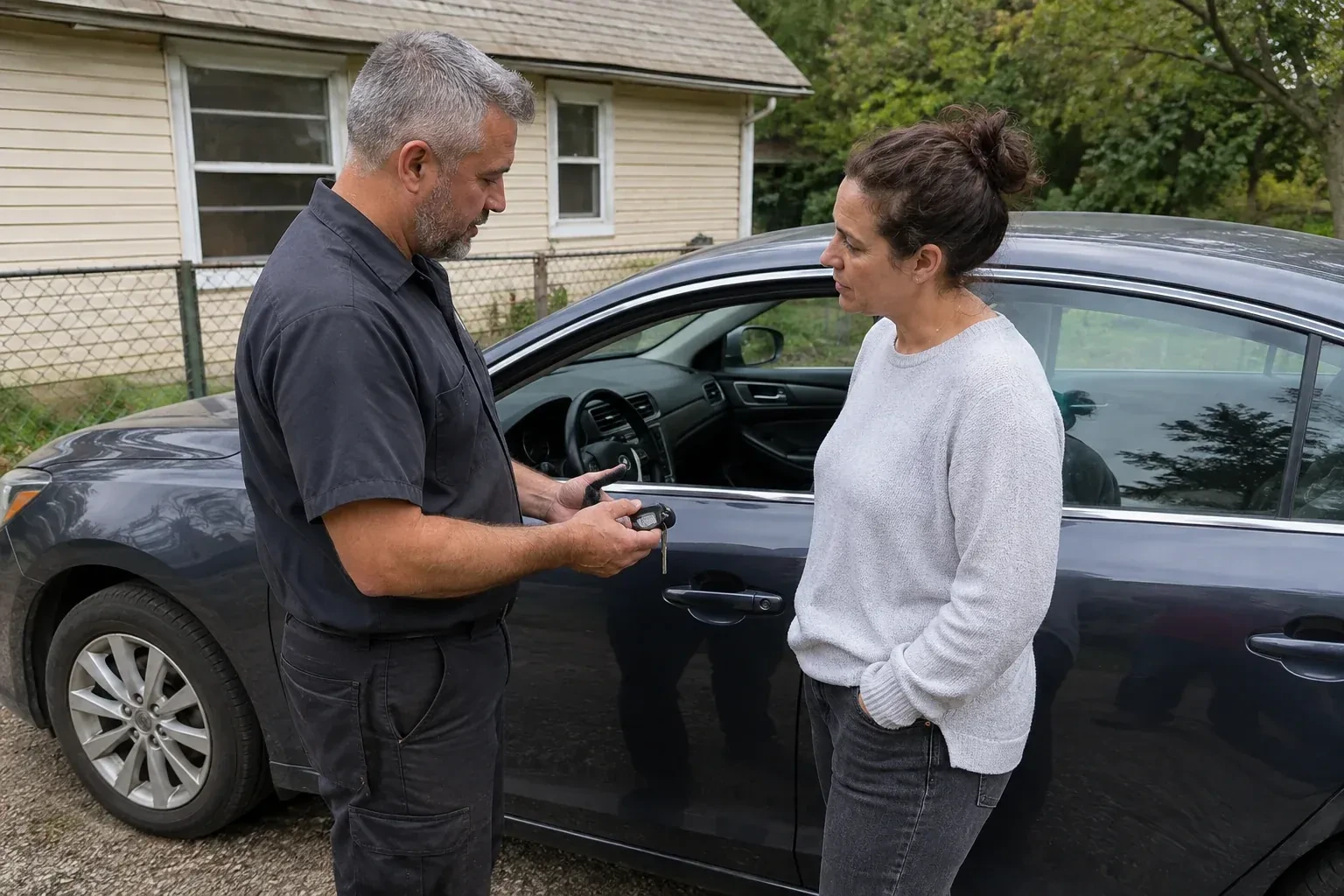
The button on your key fob does nothing now: no beep, no flash of the lights, no click from the doors. The metal blade folded inside the fob still turns the door by hand, so you are getting in and out, just without the remote.
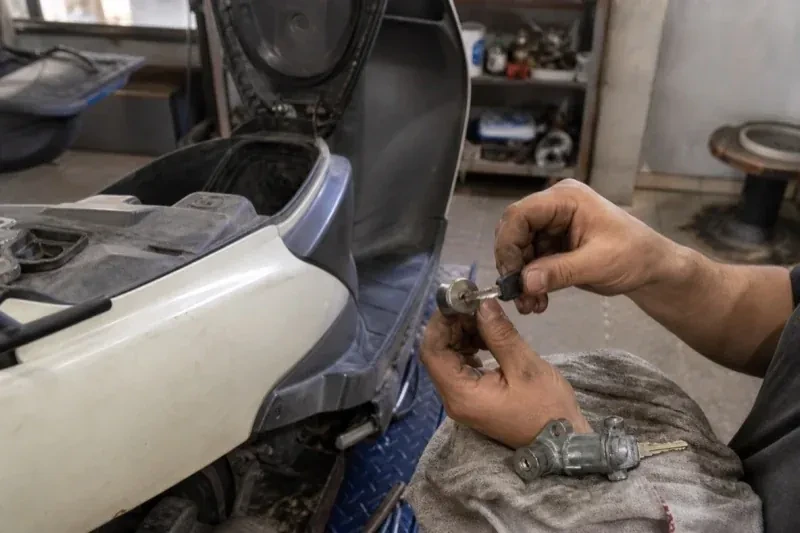
The dash lights come on, the starter cranks, and the engine simply refuses to catch, though the same key has run this bike since it was new. It could be the key and ignition module no longer agreeing, or an ordinary fuel or ignition fault sharing the same symptom.
Doors on the same property rarely deserve the same investment. We look at which openings are hidden from the street, which lead to what matters and which are already sound, then put the strongest hardware where an intruder would actually try.
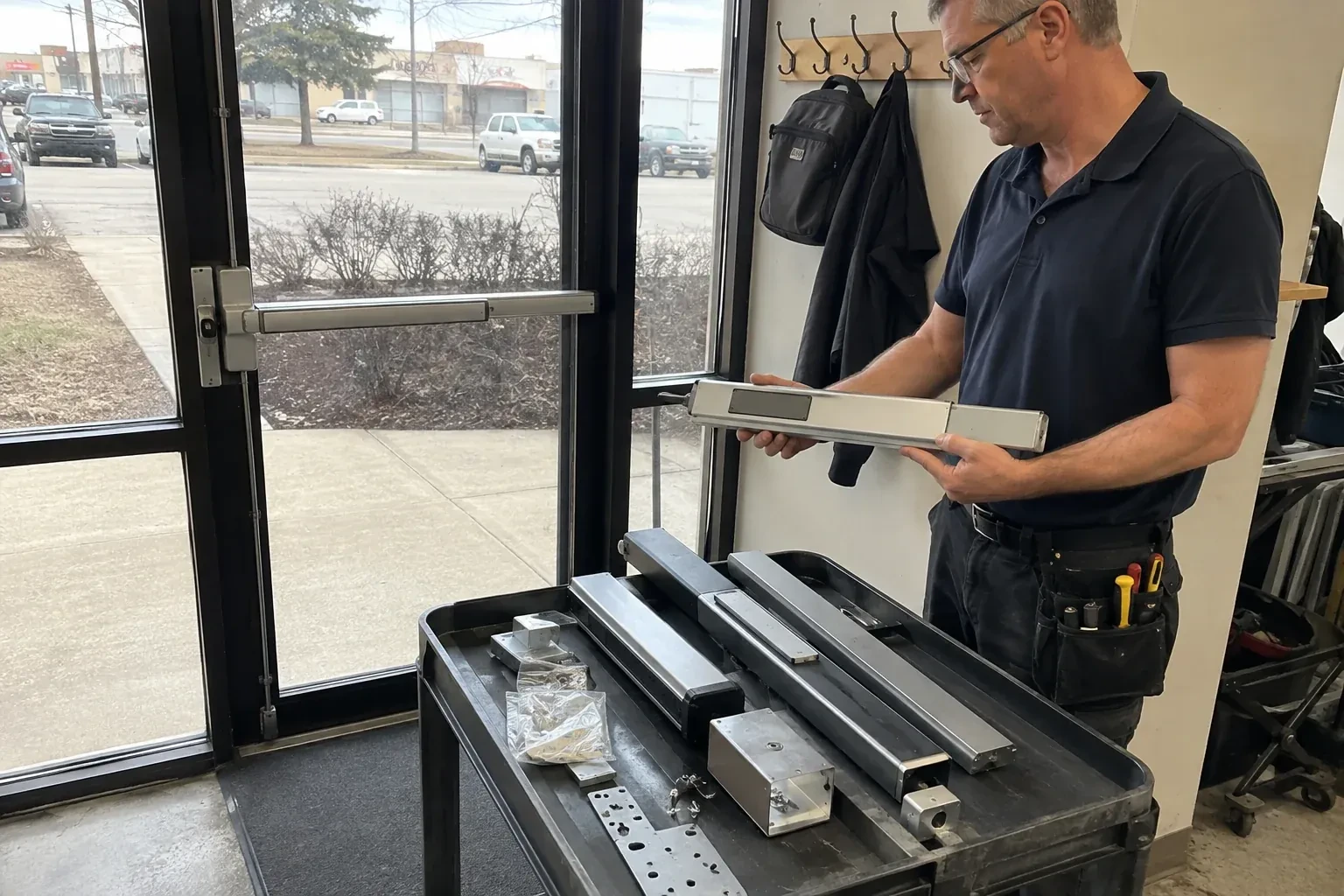
Retail hardware takes abuse: doors propped open, slammed shut, hit with carts. Commercial-grade locks, reinforced strikes and robust closers are built for that, and replacing a builder-grade lock with one that fits the traffic is a common first job for a new shop.
WhyA smart lock is only half installed when the screws are tight; the other half is the account behind it.
Someone tried to pry the little door on the mailbox open with a screwdriver, and though the mail sitting inside is untouched, the lock now sits crooked in its hole and the key barely catches when it is turned.
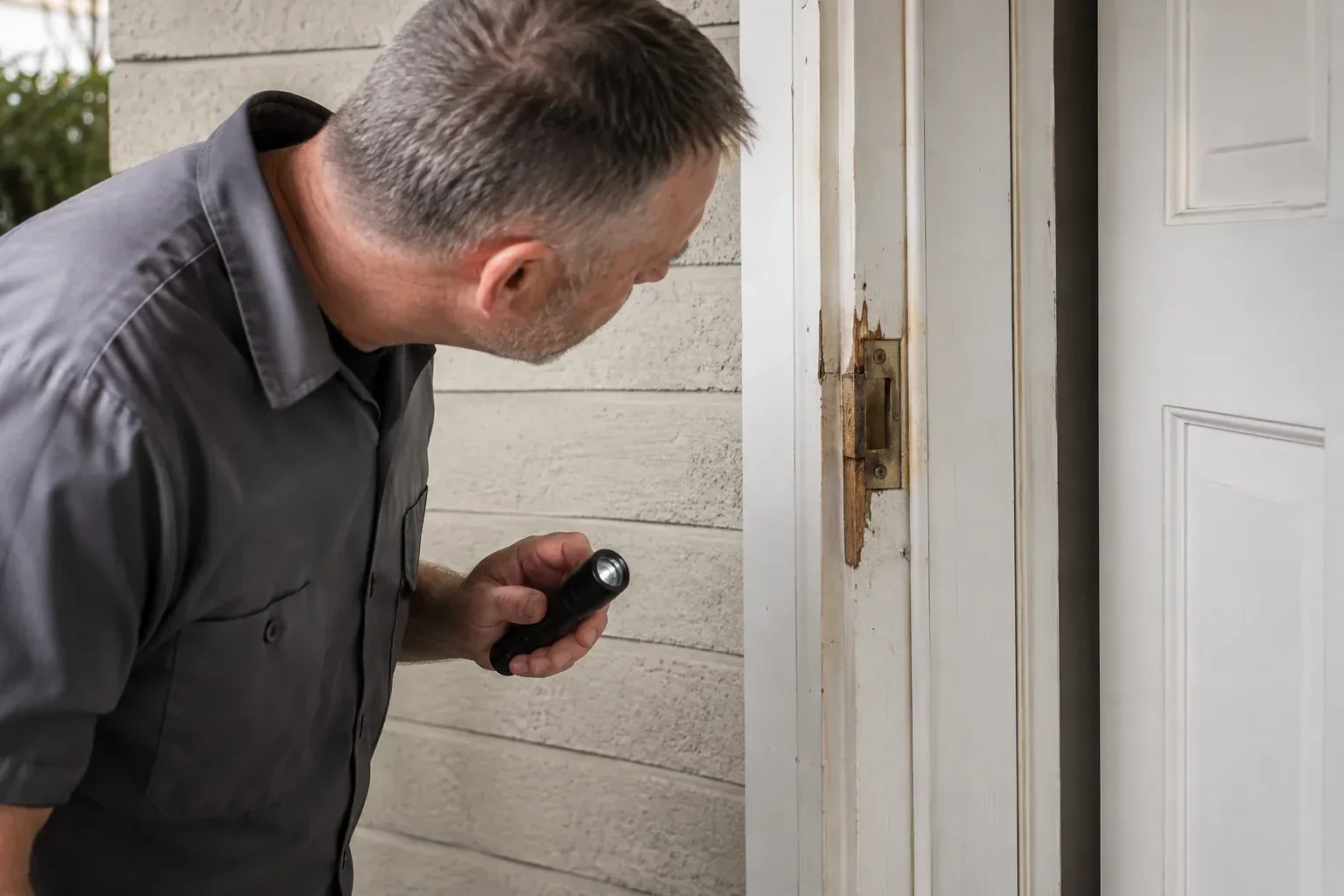
WhyThe service begins with a conversation about what the door protects and what worries you, then a close look at the door as a whole: the cylinder, the bolt, the strike, the frame, the hinges and any glass nearby.
After the fit-out, the gym floor now holds more people than the old office space ever did, and the exit door at the back still has the same turn-lock it had when the room held desks.
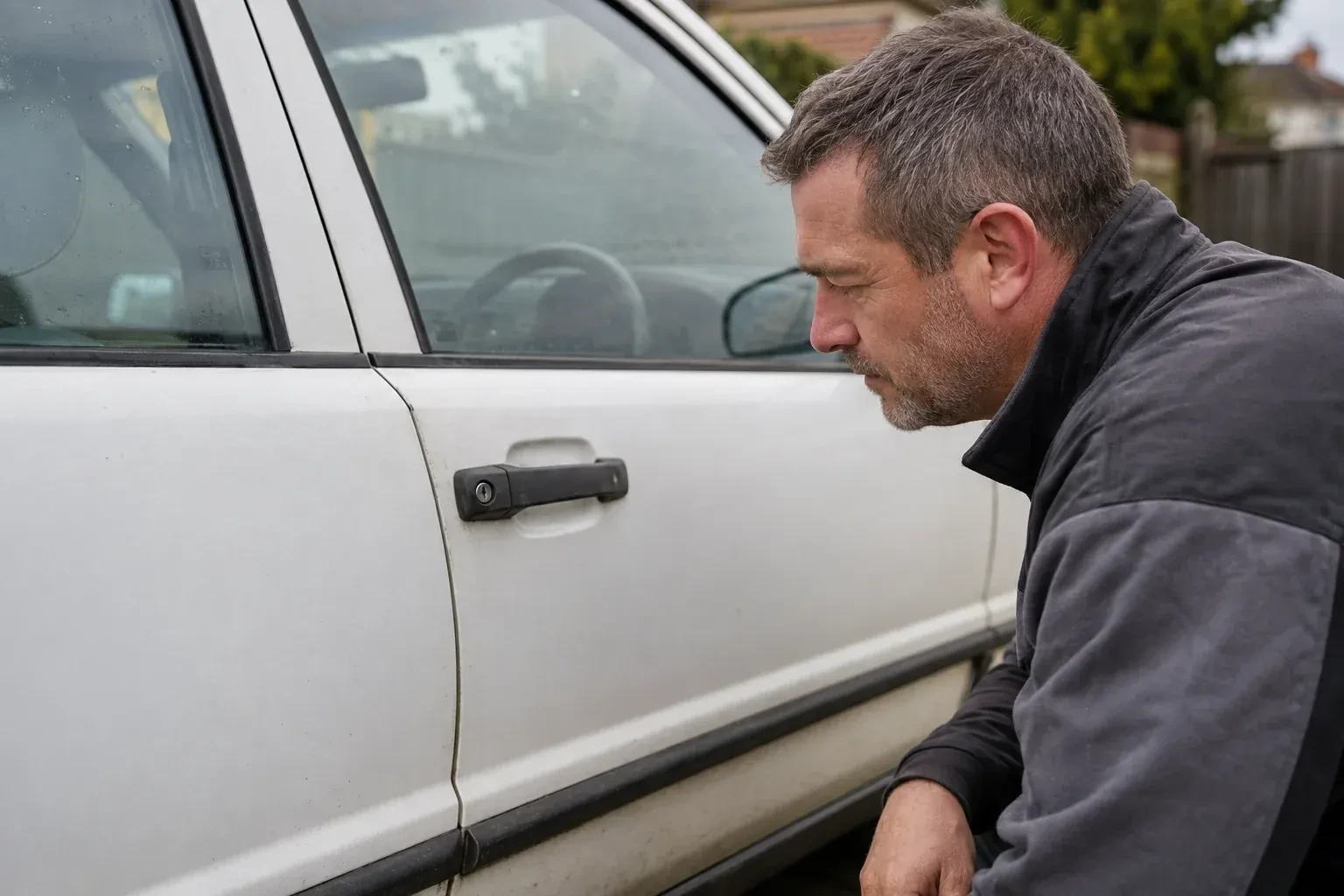
WhyVehicle Lock Repair addresses a single locking point, a door, the trunk or hatch, or a storage compartment, that has stopped behaving like the rest of the vehicle.
The dash lights come on, the starter cranks, and the engine simply refuses to catch, though the same key has run this bike since it was new.
WhyLocks that sit through a season of outdoor storage or freeze-thaw weather often need more than a fresh key.
How a visit goes
Describe the property, the hardware and what has changed, and the visit starts from what you have seen.
1
2
3
01
Walking the building together
We visit each door on the plan and talk about who uses it, how often and at what hours. Wiring routes and power are checked at the same time.
02
Installing readers and locks
Readers, electric strikes or maglocks and the controller go in with cables hidden where the building allows. Every door is tested for release and re-locking.
03
Setting up users and handover
We add the first users, show your administrator how to add and remove people, and leave written notes so the system is yours to run.
In almost every case the door, the glass and the lock are untouched. The mortise cylinder in the narrow stile is picked or decoded so the cam turns exactly as it would for your key, and the hookbolt or latch withdraws. Drilling comes up when a cylinder has seized, is packed with a broken key, or its security features and condition rule out a clean non-destructive opening, and if it comes to that you hear about it first and a new cylinder goes in during the same visit.
Can the work be done with the lock left in the door?
Rarely, and it is not the better route. Almost everything that fails is inside the case, and the case only opens once it is out of the pocket, which takes a few minutes and leaves no mark. Working through the keyhole with an unapproved or over-applied spray tends to wash out what little lubricant should stay and gums the levers later. Removing the case, cleaning it properly and refitting it is the repair that lasts.
Fingerprint, fob, code or phone: which is worth having?
It depends on who uses the door. Codes suit everyone and need nothing in hand. Fobs or cards are a favourite for children and for anyone who finds small buttons difficult, since a tap does it. Fingerprint readers are convenient for a household of adults but can be fussy with cold, wet or gloved hands in winter, so pair them with a code. Phone control is for whoever wants alerts and remote checks. Most families end up using two of these.
My mailbox is in a condo or apartment lobby panel. Who authorizes the work?
For a single resident's compartment, proof tying that person to the unit is usually enough. For a run of compartments changed together, the property manager or superintendent coordinates the visit and confirms which units are involved, and each compartment is still checked against a resident or the building's own records before its lock is touched.
Is a high security cylinder really pick proof?
Nothing is beyond a laboratory with unlimited time, so the honest measure is minutes, not absolutes. Rated cylinders are tested to resist skilled picking and impressioning for a set period, and drilling and forcing for another. In the real world that matters because someone at a door has seconds, not a workbench. The sidebar and false grooves in the pins give a picker nothing reliable to feel, and the hardened inserts stop a bit, which is why these attacks move on to easier doors.
What is dogging, and can every door have it?
Dogging holds the device's latch retracted so the door works as a simple push-pull for a period, useful during business hours on a busy entrance. It is not available on fire-rated openings, because a fire door must keep an active latch at all times; on those doors, electric latch retraction achieves a similar push-pull convenience without ever leaving the latch mechanically held back.
How many keys will I leave with?
That depends on what you ask for and what the vehicle already has. A single working key is enough to drive away, but most people ask for at least one spare cut and tested at the same time, especially if the visit started because the only working key had worn down badly or snapped off inside the ignition altogether.
Do you need to see proof that the vehicle is mine before starting?
Yes, and it takes only a moment. The vehicle's registration, matched to the vehicle identification number on the dash or door jamb, settles it in most cases. A rental agreement or a fleet authorization does the same job when the vehicle is not registered in your own name.
What should I do to look after a new key or lock afterward?
Very little beyond two simple habits: wipe the key clean before use, especially after a wet ride, and, where the lock's own maker calls for it, a light dose of the specified lubricant once or twice a year. Storing a spare somewhere other than on the machine itself rounds out the care a new key or lock generally needs.
Request a visit
Every key we cut in Mississauga is tested in the lock it belongs to before we leave. It sounds obvious, but a key that works on the bench and sticks in the door is a common complaint about lock work. We turn each one, from both sides where the door allows, and adjust the cut or the cylinder until every key slides in and turns cleanly.