Locksmith in Mississauga, OntarioLocks that work.Keys that fit.
A working lock is something you stop thinking about, and that is the point. We rekey, repair and replace door hardware for homes and businesses, explain what we find in plain words, and leave you with keys that turn without a fight.
A working lock is something you stop thinking about, and that is the point. We rekey, repair and replace door hardware for homes and businesses, explain what we find in plain words, and leave you with keys that turn without a fight.
Honest advice about your locks.
Commercial doors work harder than residential ones: hundreds of cycles a day, a closer slamming the latch, deliveries propping the back door open in the cold. We specify hardware for that duty, keep closers adjusted so the door actually latches behind people, and make sure exit doors release with a single push and no key. Then we set a schedule so small wear never becomes a lockout.
The key you reach for. The door you come home to. Good locksmith work begins with understanding how you use them.
22years in business
24/7open every day
A straight assessment. If the lock is fine and the door just needs adjusting, we say so. If it has reached the end of its life, we say that too, and show you why.
Options laid out side by side. Repair, rekey, replace or upgrade, with what each involves and what it changes. You pick; we do not steer you toward the biggest job.
Finished, not nearly finished. Every key tested in every lock, every screw tight, every strike aligned, and the packaging in our van rather than your bin.
The list below is long because doors are varied, not because we want to sell you more than you need. Most calls end with one service. Read the one that fits, note what the page asks you to have ready, and get in touch when it suits you.
A break-in overnight took the cash float and a staff member's bag with her work keys inside it. The glass is being replaced this morning, but the key that opened the door yesterday will still open it tonight unless the cylinders are changed.
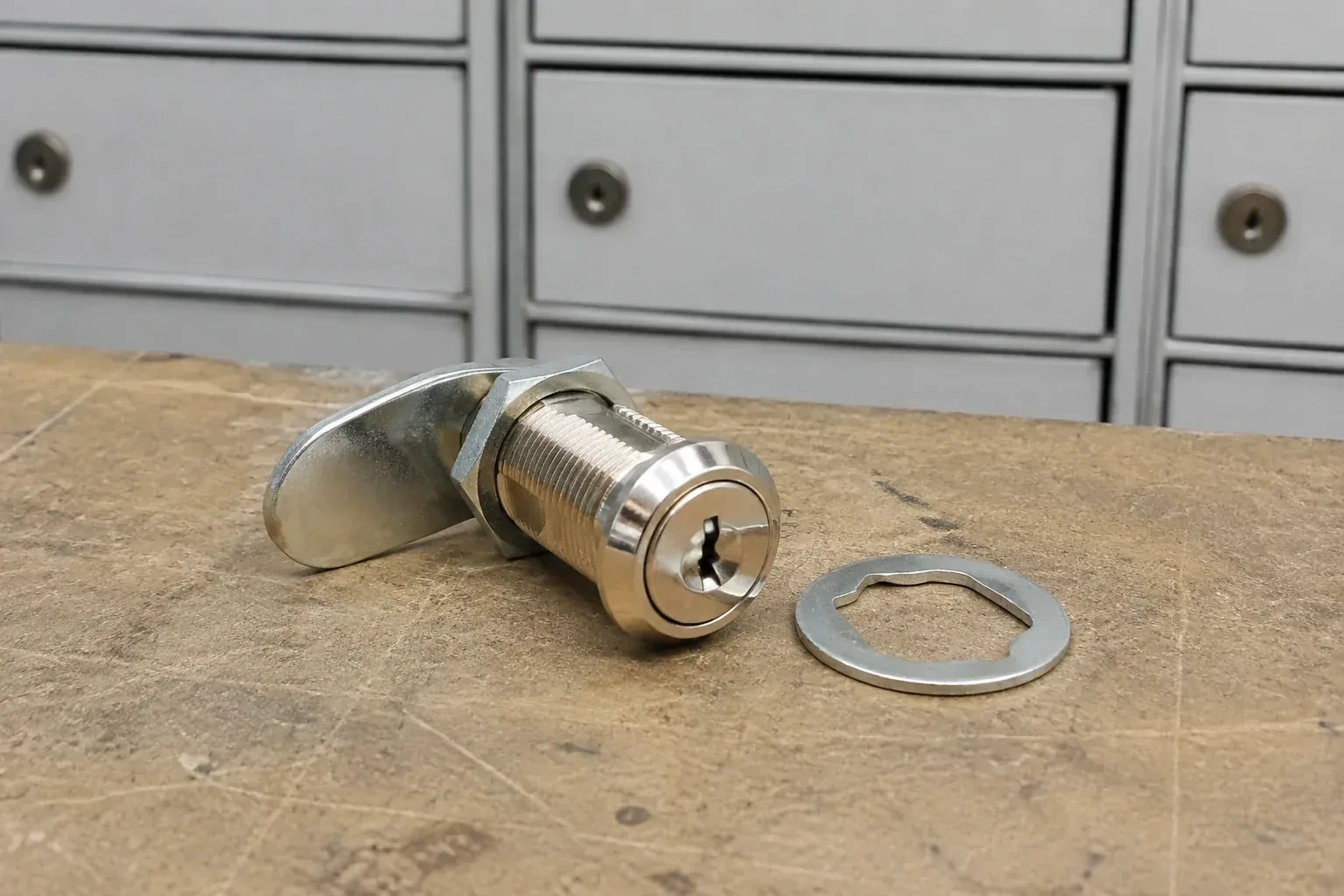
The key went in stiffly, turned a quarter of the way, and came out in two pieces. Half of it is still inside the cylinder of the aluminium storefront door, and the deadbolt is hooked firmly into the frame.
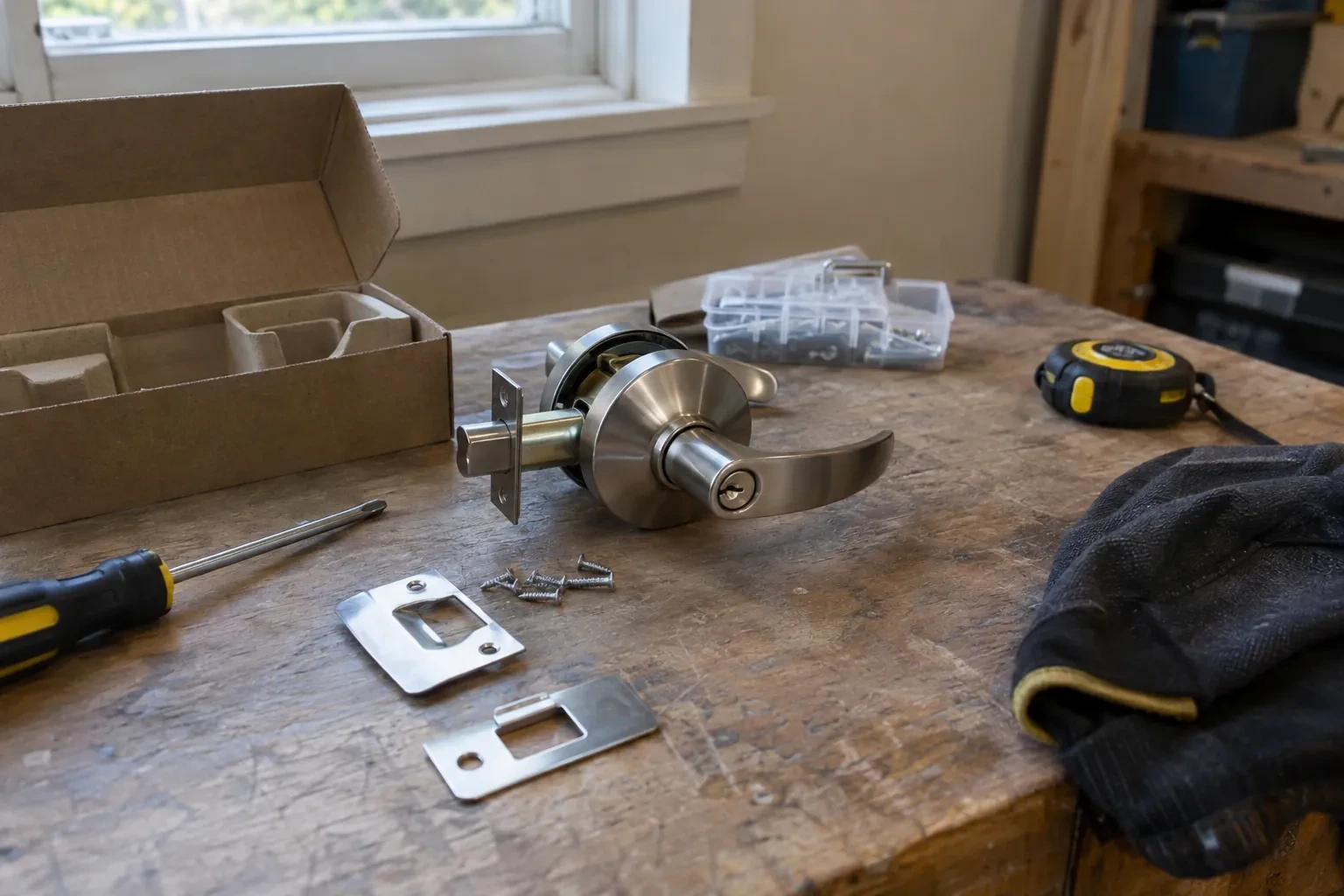
The lever on the side door droops toward the floor and rattles in your hand. The latch no longer springs back on its own, so the door drifts open behind you unless you pull it shut and check it twice.
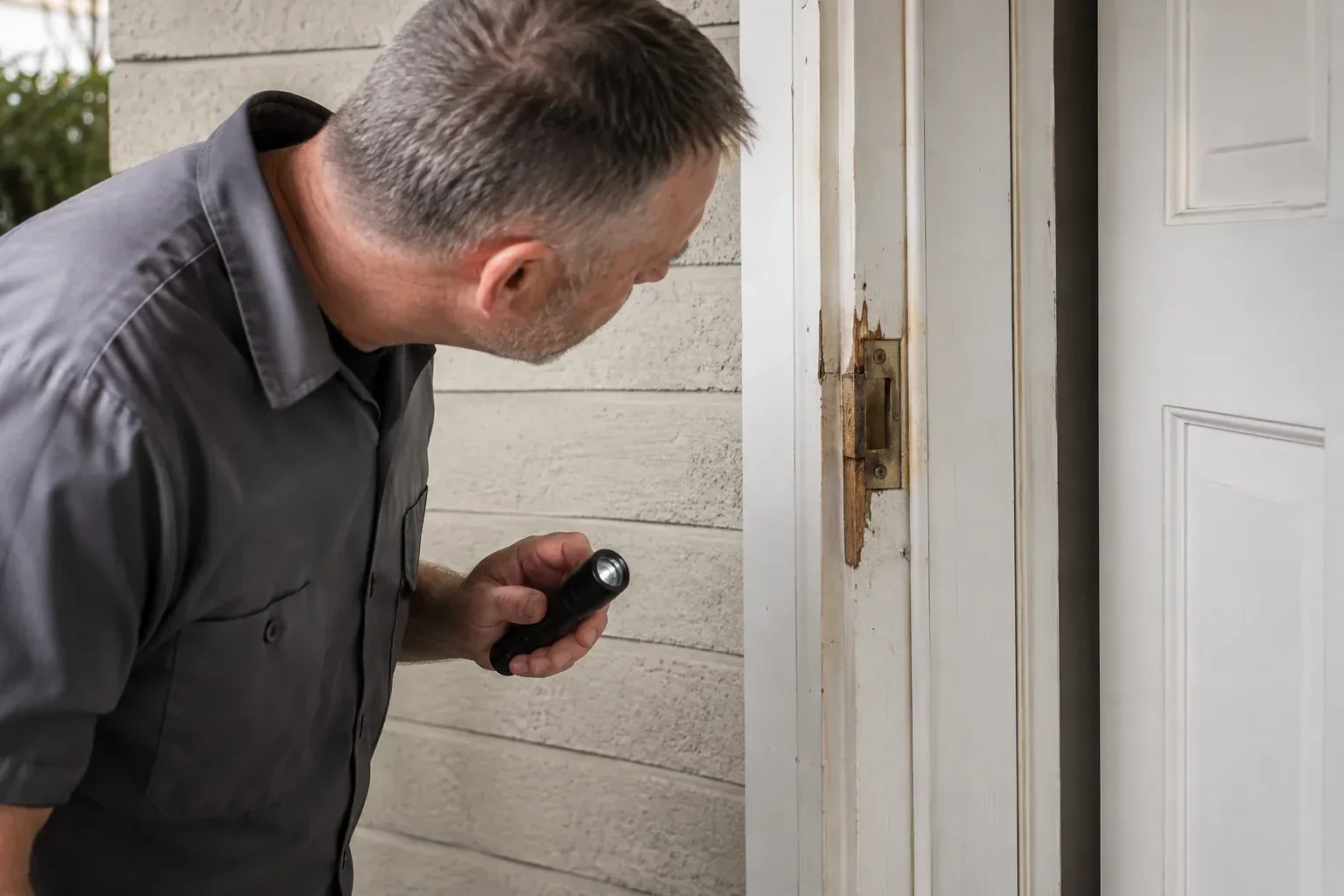
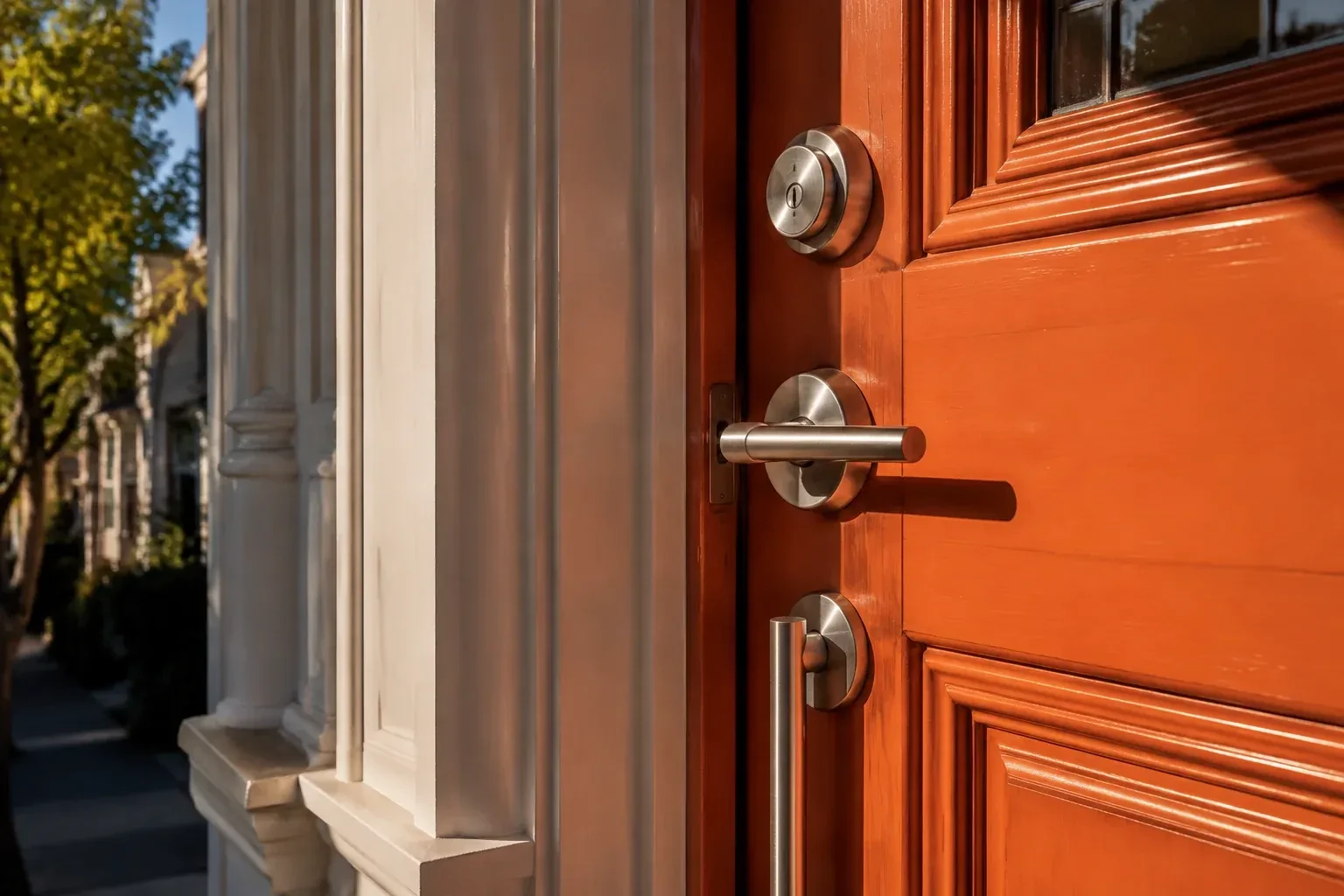
Doors on the same property rarely deserve the same investment. We look at which openings are hidden from the street, which lead to what matters and which are already sound, then put the strongest hardware where an intruder would actually try.
Retail hardware takes abuse: doors propped open, slammed shut, hit with carts. Commercial-grade locks, reinforced strikes and robust closers are built for that, and replacing a builder-grade lock with one that fits the traffic is a common first job for a new shop.
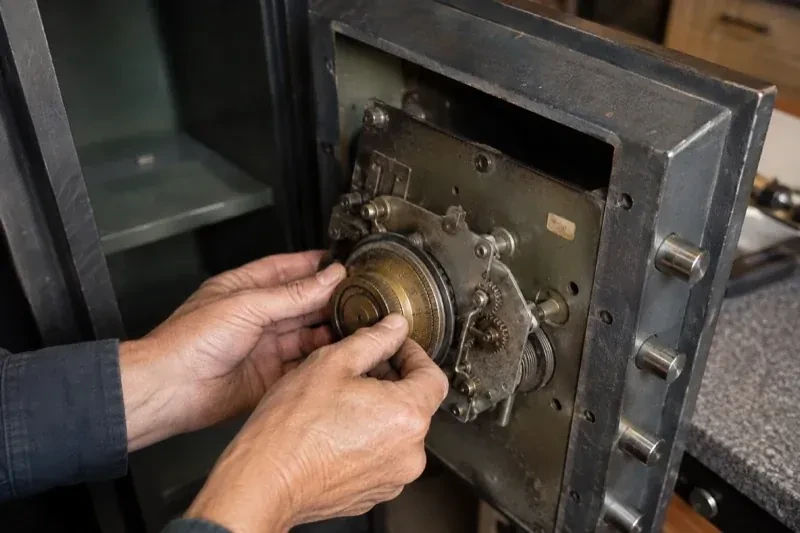
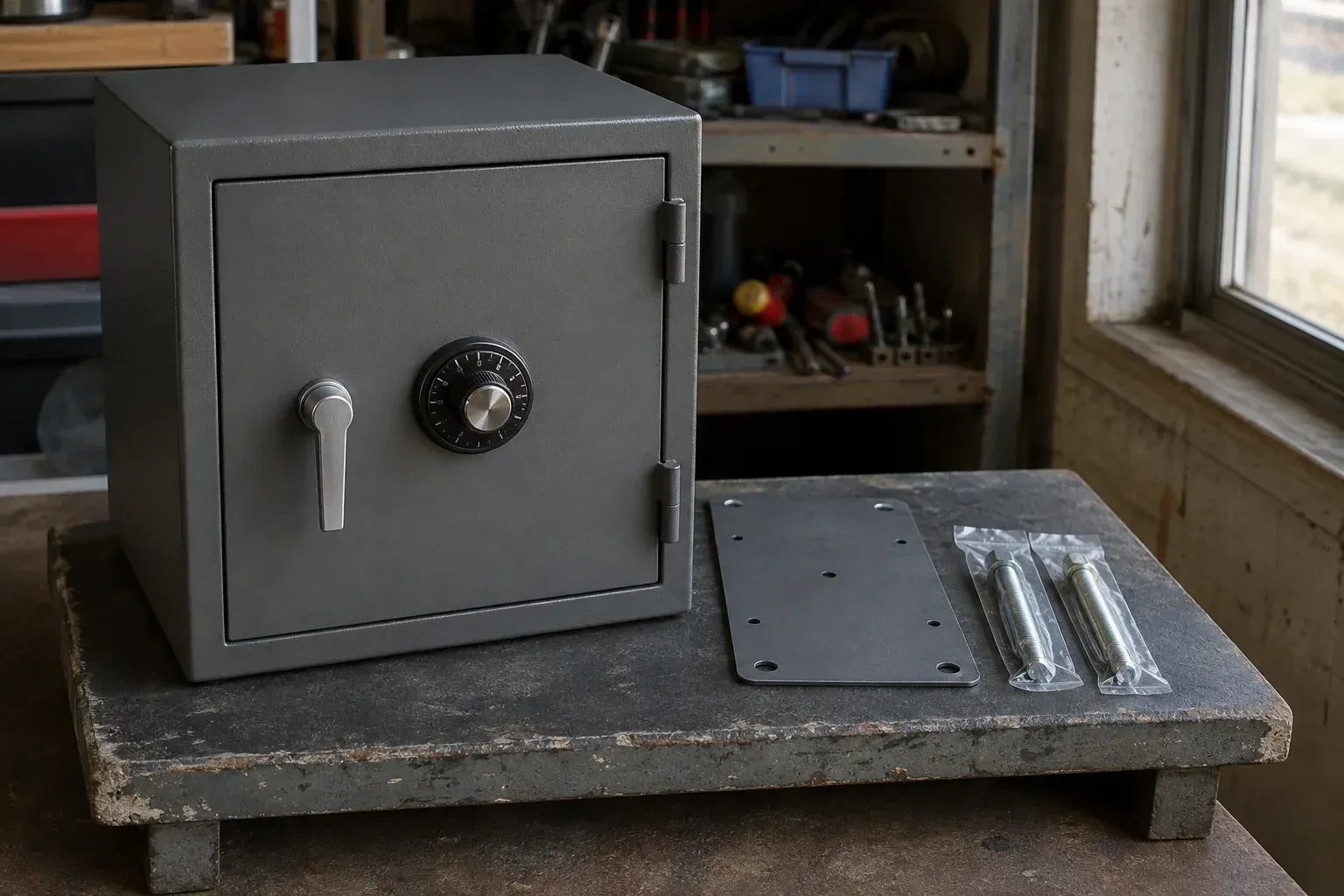
A homeowner inherited a heavy old dial safe from a parent's house, moved it into the new place, and has no idea whether the bolt-work still works, whether the lock is sound, or how it should be anchored.
Which fix fits?
The key goes in but will not turn on cold mornings.
Sensible optionClean and lubricate the cylinder.
WhyMoisture and old grease thicken below freezing; a cold-rated lubricant keeps the pins moving.
The door latches fine in summer and refuses to in winter.
Sensible optionAdjust the strike and hinges for seasonal movement.
WhyFrames shift with freeze-thaw; a strike set for the cold months keeps the door locking year round.
The lock on the side door is frozen solid.
Sensible optionThaw it properly, then seal against water getting in.
WhyForcing a frozen cylinder snaps keys; gentle heat frees it, and a weather cover keeps the water out afterwards.
It is the coldest morning of the winter and the key goes halfway into the side door and stops.
WhyWhat you keep after rekeying is almost everything.
How a visit goes
Describe the property, the hardware and what has changed, and the visit starts from what you have seen.
1
2
3
01
Walking the building together
We visit each door on the plan and talk about who uses it, how often and at what hours. Wiring routes and power are checked at the same time.
02
Installing readers and locks
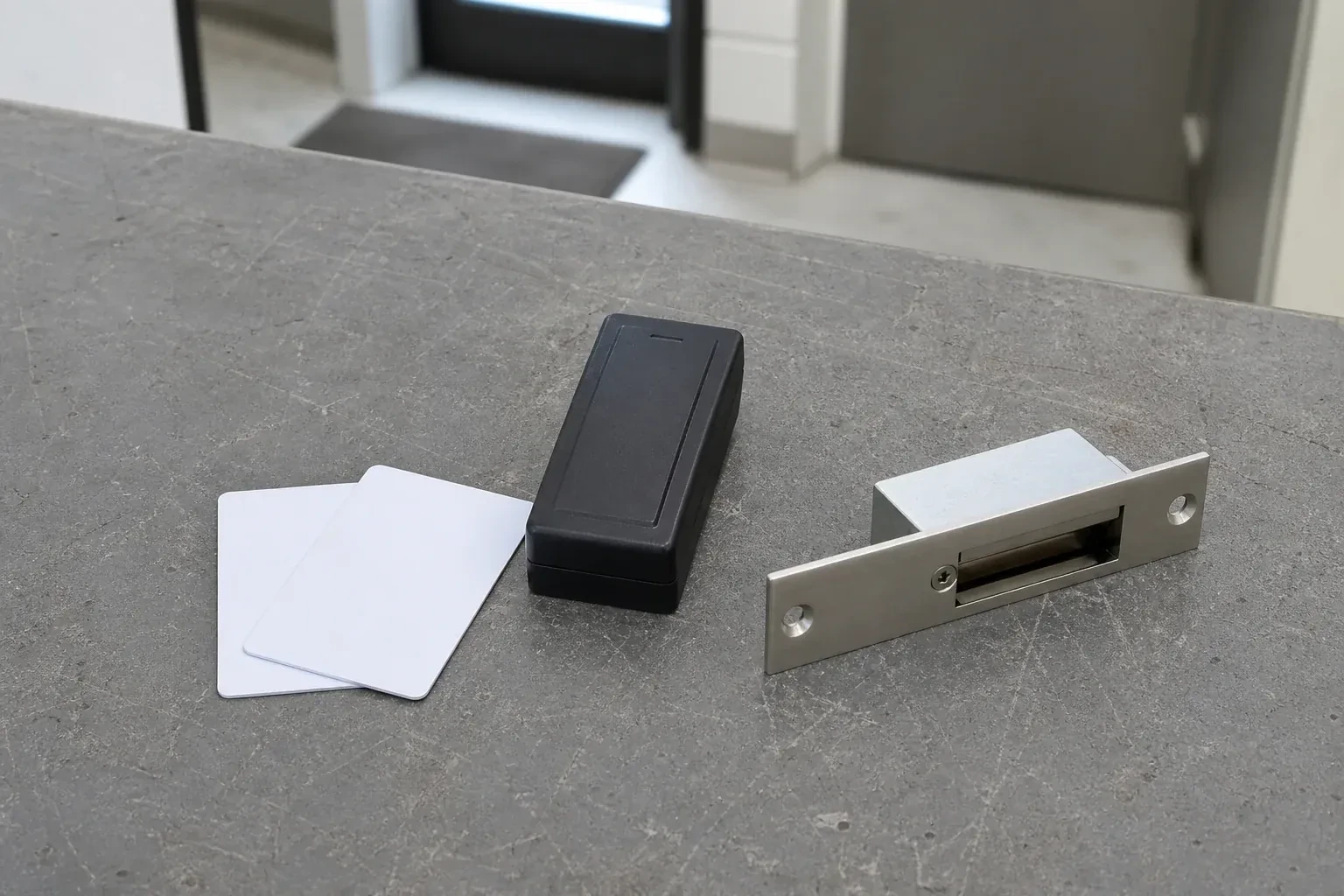
Readers, electric strikes or maglocks and the controller go in with cables hidden where the building allows. Every door is tested for release and re-locking.
03
Setting up users and handover
We add the first users, show your administrator how to add and remove people, and leave written notes so the system is yours to run.
About 38% of homes in Mississauga were built in 1980 or earlier, according to the 2021 Census.
In an area of varied housing ages, rekeying is the one job that fits every door. Old cylinders and new ones both take fresh pins, so a household moving into either kind of home can start with keys that nobody else holds.
Single-detached houses make up about 37% of homes in Mississauga (2021 Census).
Attached housing turns over more often than detached, so rekeying between tenants or owners is a constant. Because suite doors tend to be standard, the job is usually a straightforward pin change and a fresh set of keys cut on site.
If my key is lost, will I leave with a working key?
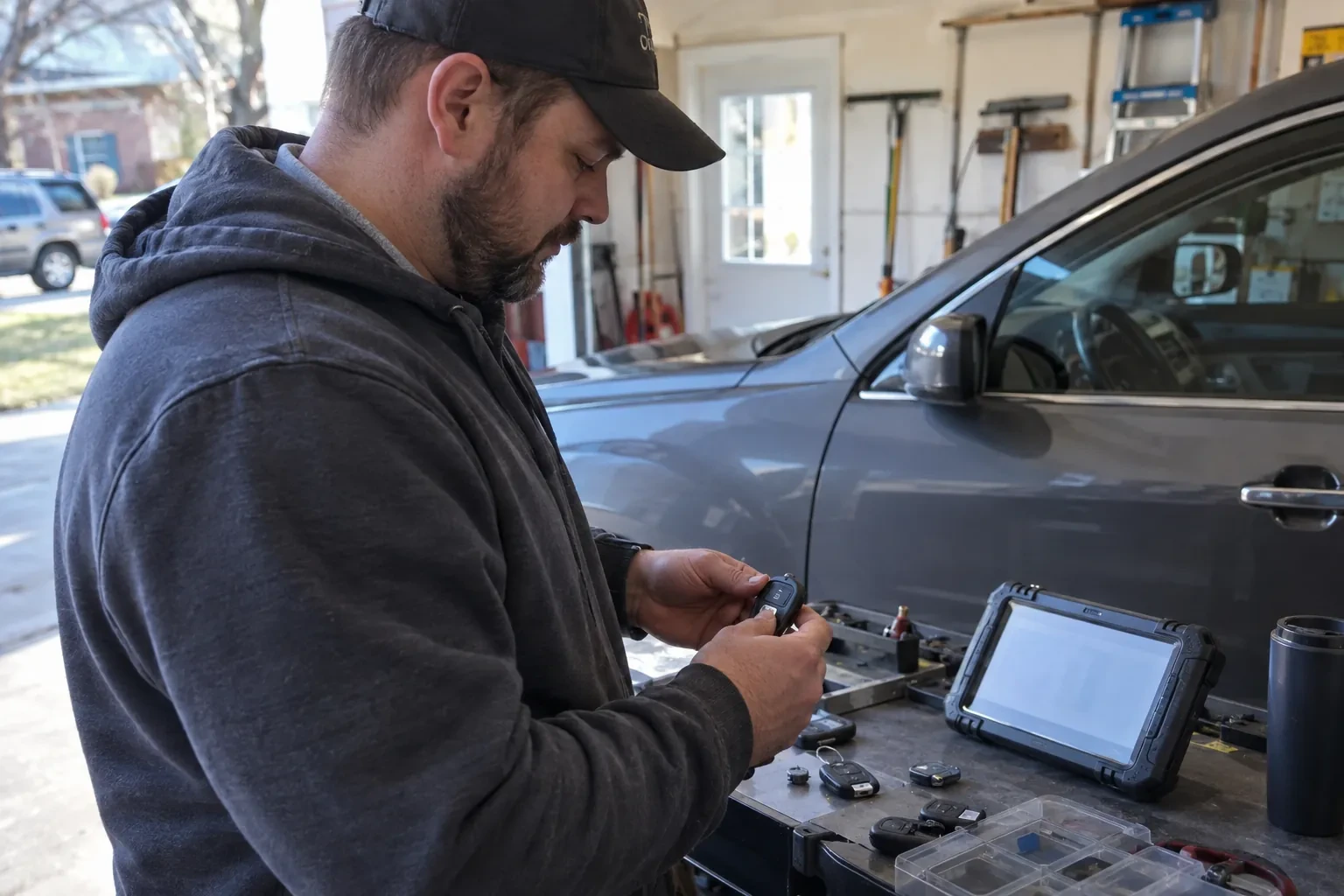
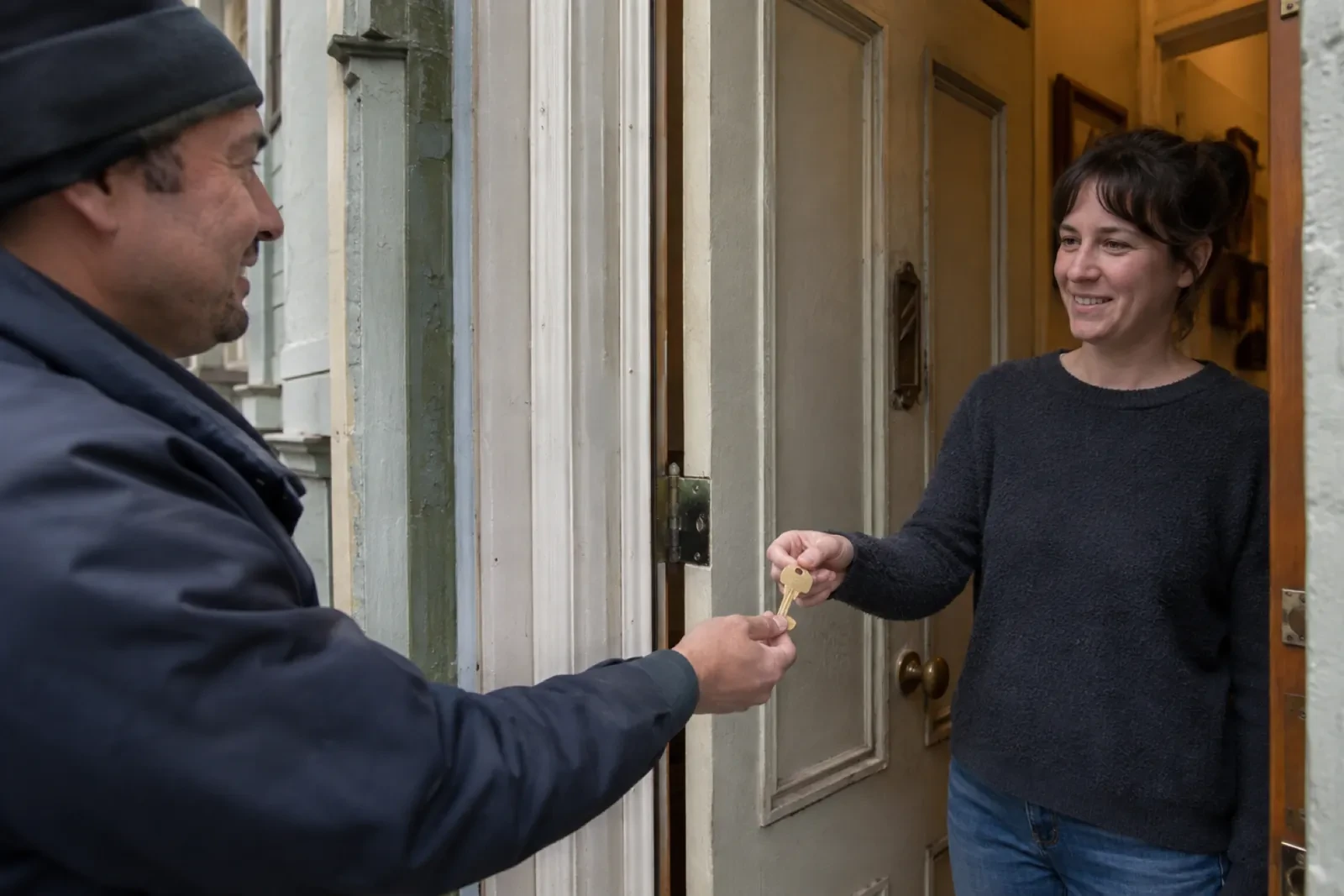
Yes, one way or another. If you choose to rekey, the cylinder is set to a new combination and fresh keys are cut for it on the spot, usually two or three, and tested in each door they should open. If you prefer to keep the existing pinning, a new key can be cut to the lock's code or by decoding the cylinder. Either way you are not left relying on a key that is somewhere else.
What is the difference between rekeying and replacing a lock?
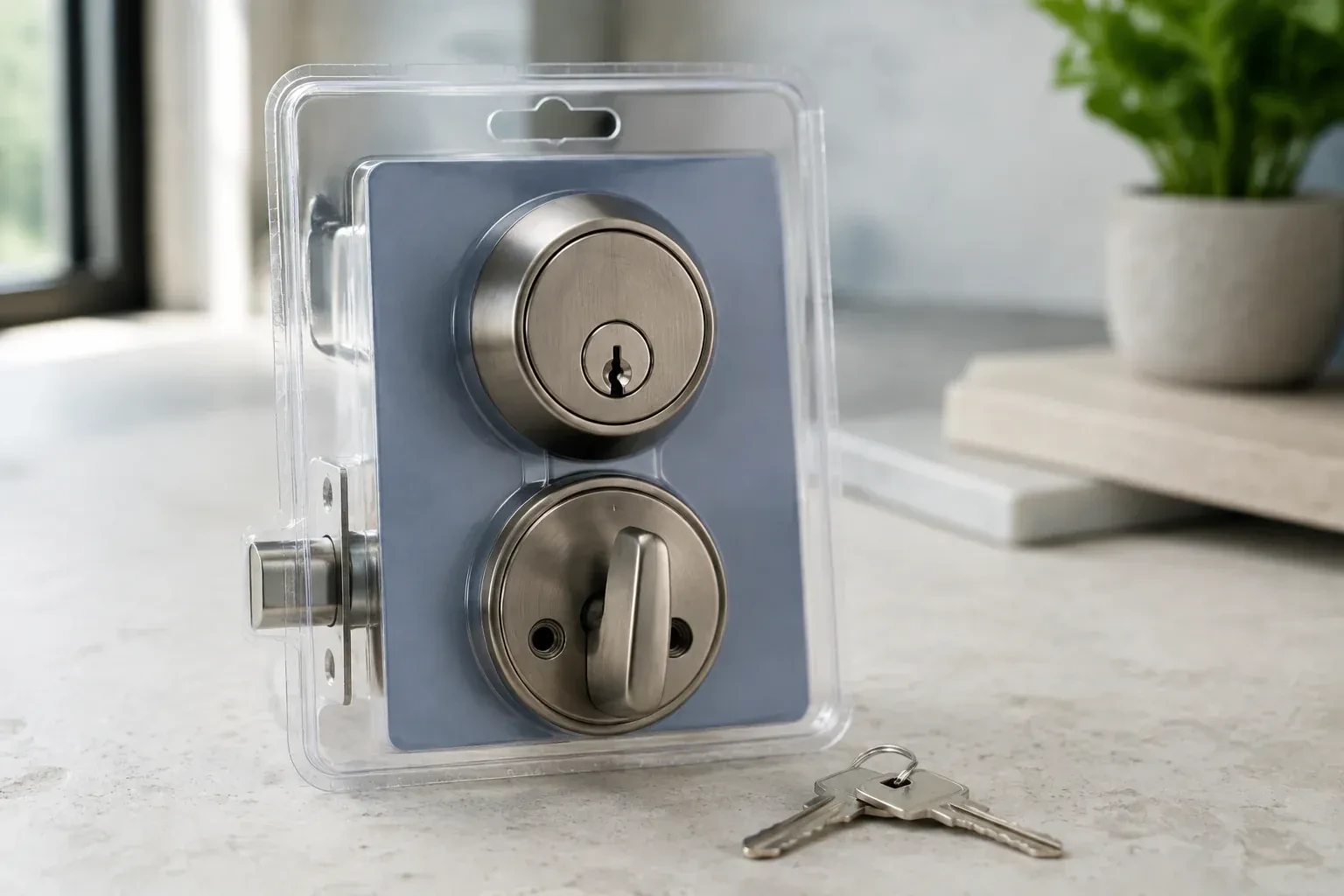
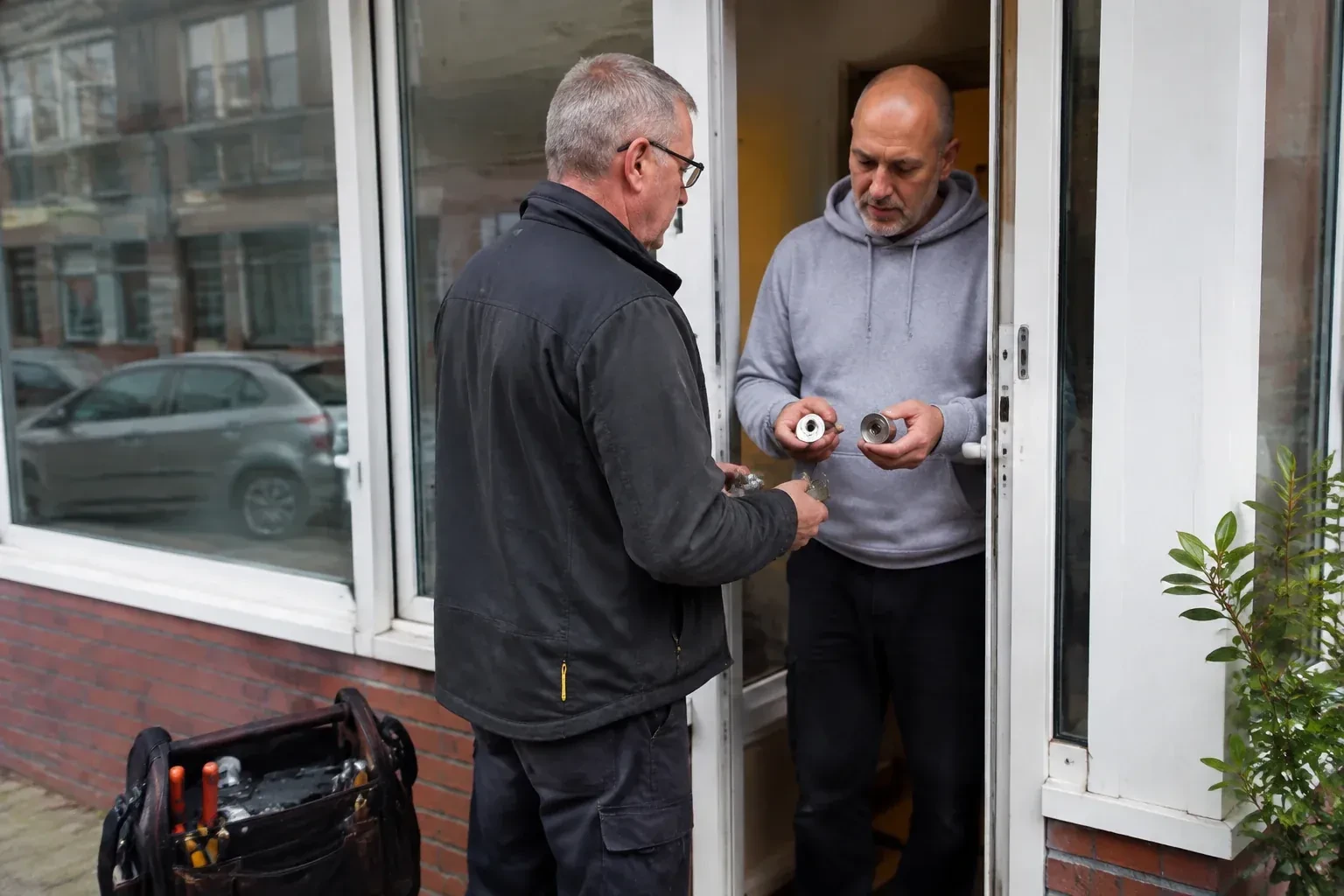
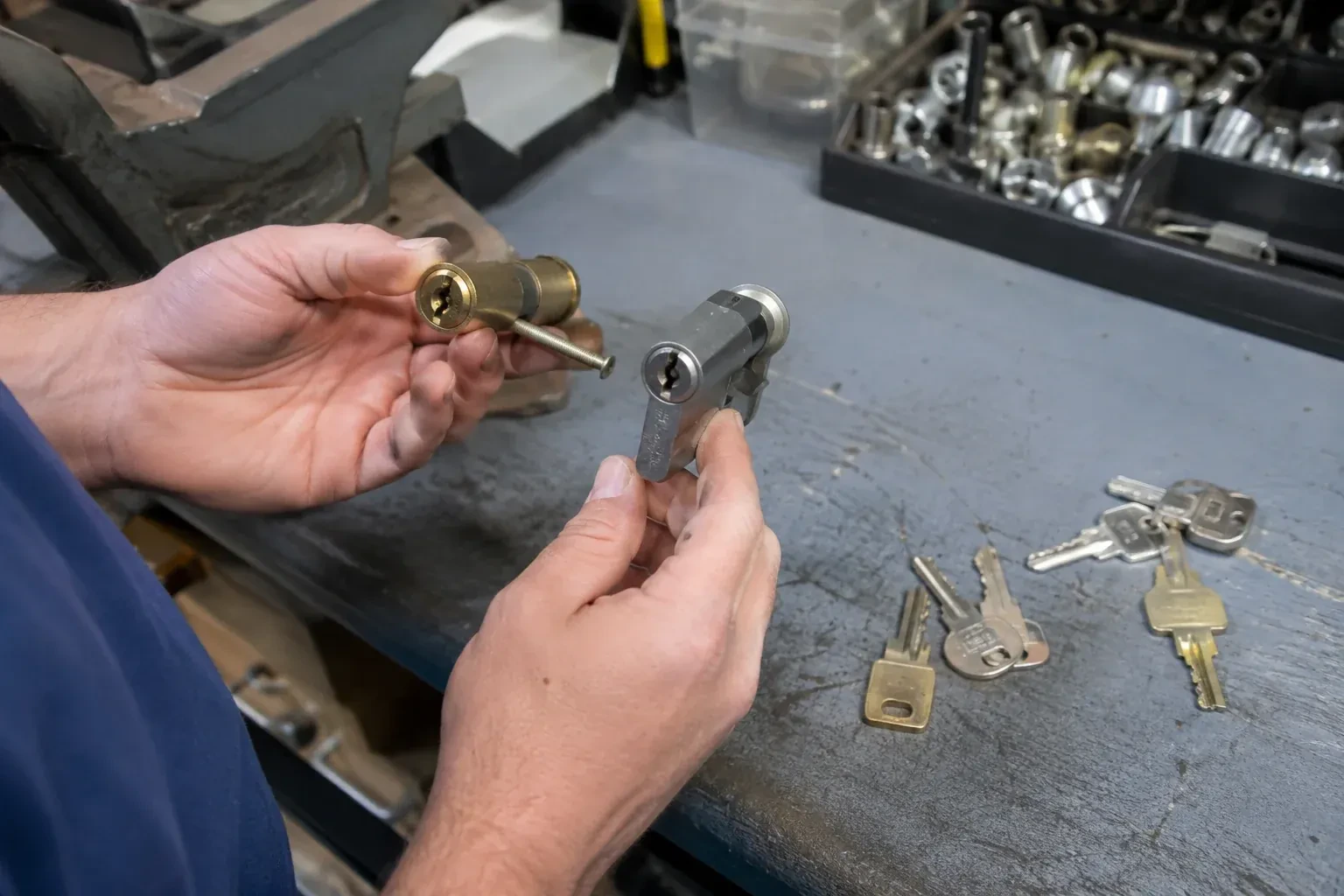
Rekeying keeps the lock you have and changes only the pins inside the cylinder so a new key operates it and the old one no longer does. It suits hardware that is in good shape and simply needs a fresh key. Replacing swaps the whole lock or cylinder for new hardware, which makes sense when the existing lock is worn, damaged, of low grade, or when you want a different style or a keypad. Either can be done during a lockout visit.
How long does a home lockout usually take once the locksmith arrives?
The opening itself is often the shortest part of the visit; verifying identification, examining the lock and testing the door afterwards take a share of the time too. A standard knob or deadbolt on a well-fitting door is generally a matter of minutes, while a high-security cylinder, a frozen lock or a swollen door takes longer. If a cylinder has to be drilled and replaced, or locks are rekeyed while the locksmith is there, allow extra time for that work.
Should I upgrade the front door only, or every door?
Start with the doors that matter and the ones that are weakest, which are often not the same. Front doors usually carry the sturdiest hardware already; the side door by the driveway, the door from the garage and the basement walkout often carry the lightest locks and get the least attention. The assessment walks the whole perimeter with you so the upgrade goes where entry is most likely, and the remaining doors can join the same key later.
Request a visit
Every key we cut in Mississauga is tested in the lock it belongs to before we leave. It sounds obvious, but a key that works on the bench and sticks in the door is a common complaint about lock work. We turn each one, from both sides where the door allows, and adjust the cut or the cylinder until every key slides in and turns cleanly.