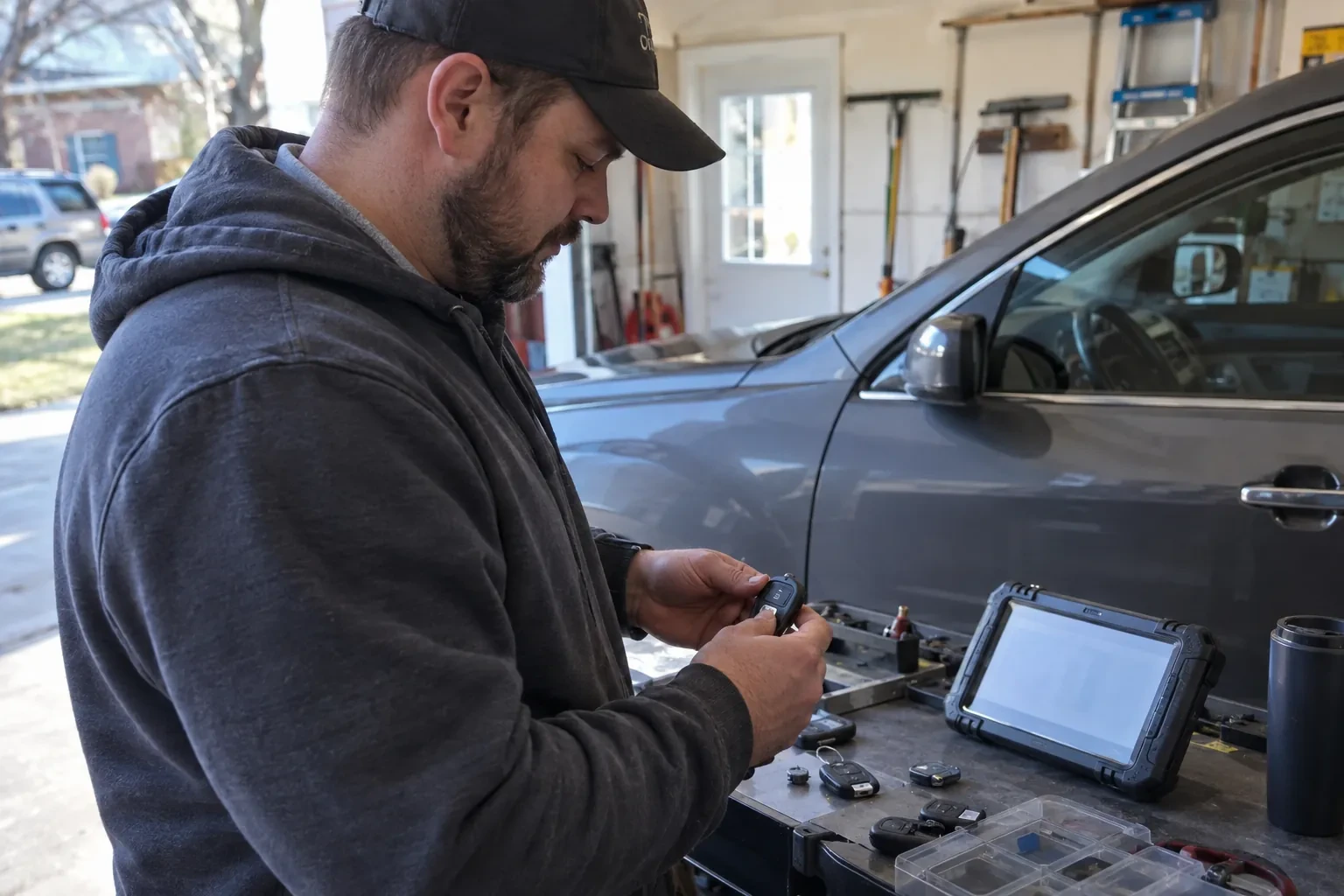
Change or rekey
Change or Rekey Locks
Renting a room, sharing with housemates or hosting a lodger raises the question of who can open which door. Interior locks, a separate key for the basement, a rekey when someone moves on: the residential pages address those arrangements plainly.
Which one do I need?
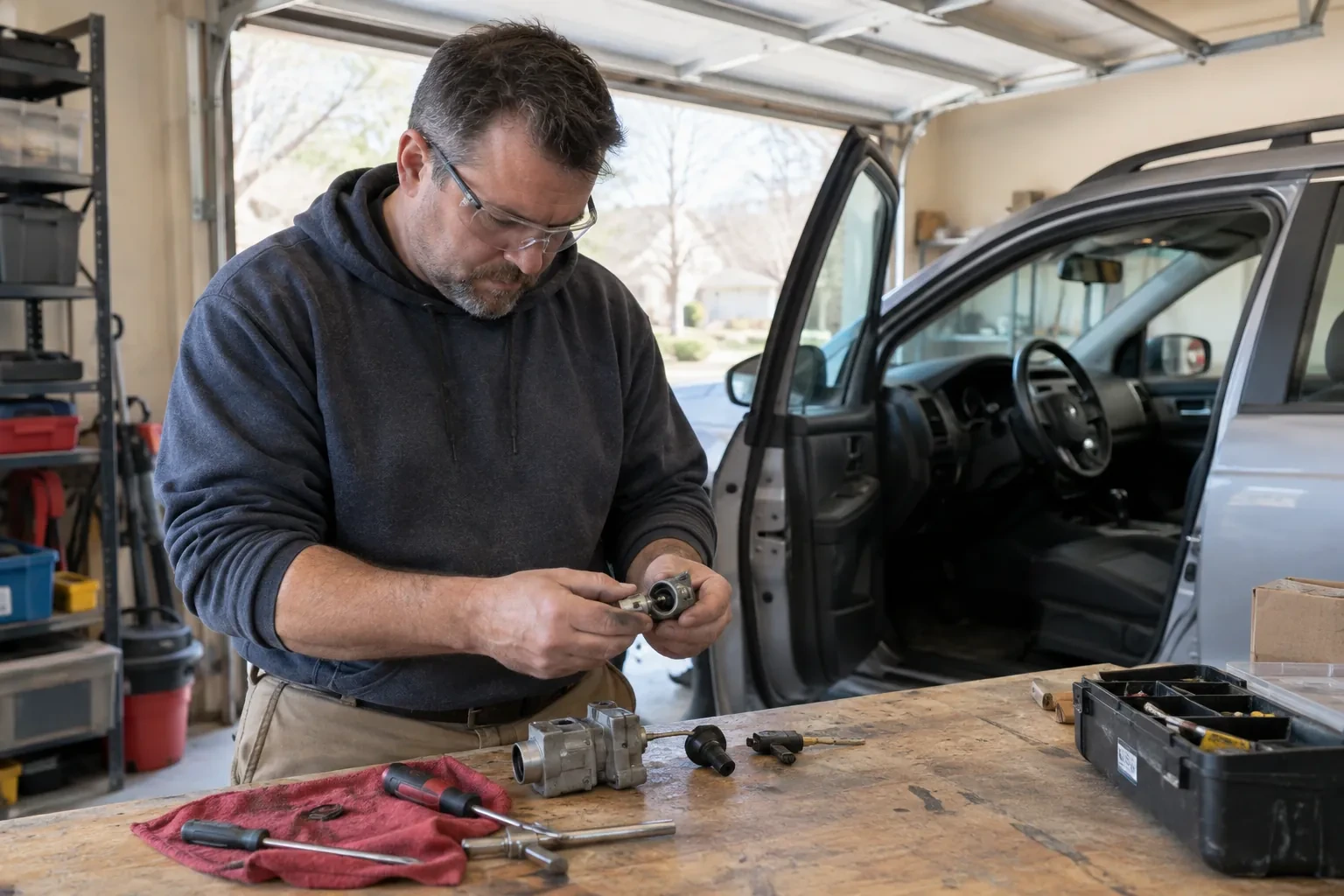
- One key for the front door, another for the back, a third for the side door into the garage, and a fourth for the shed.Lock Rekeying
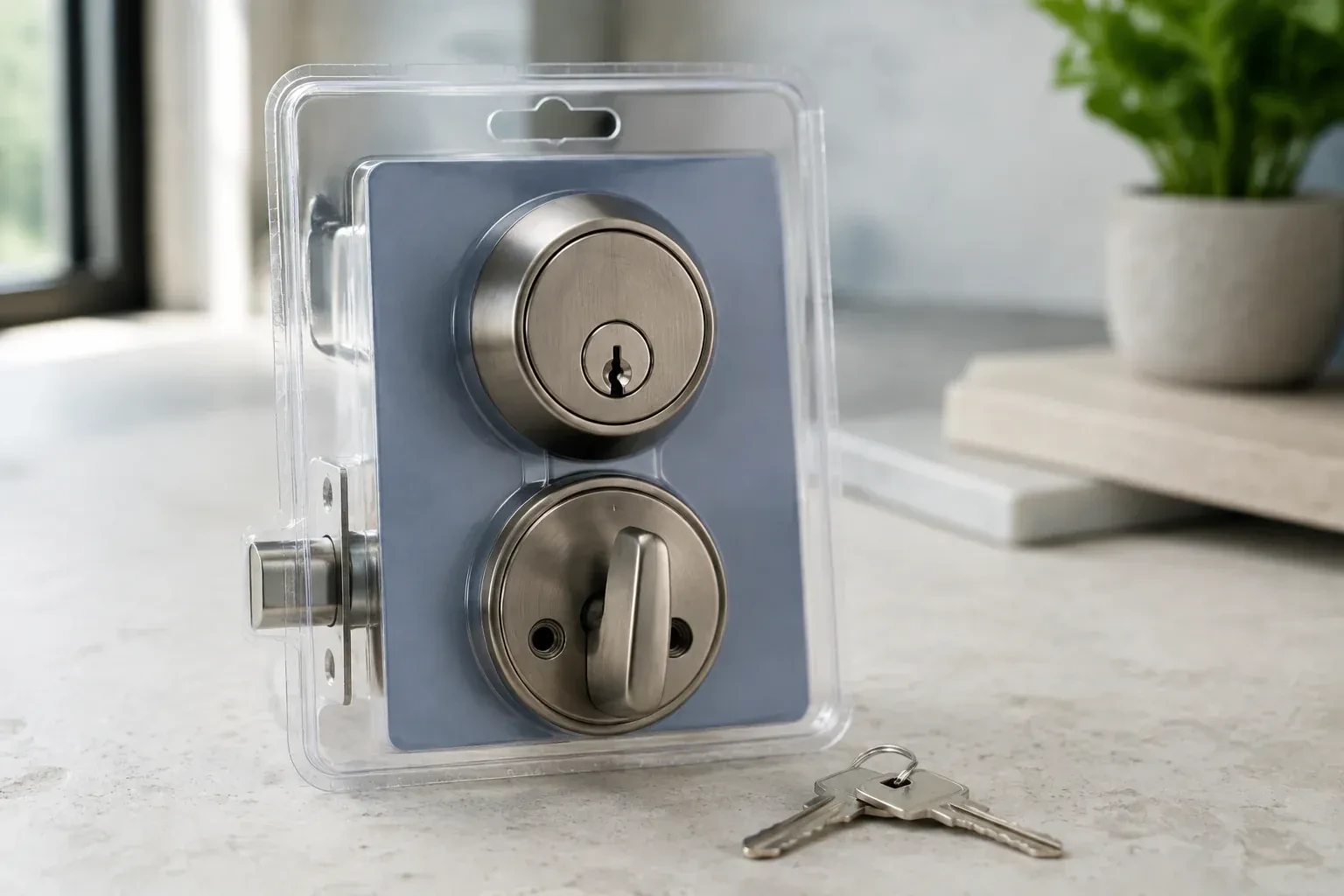
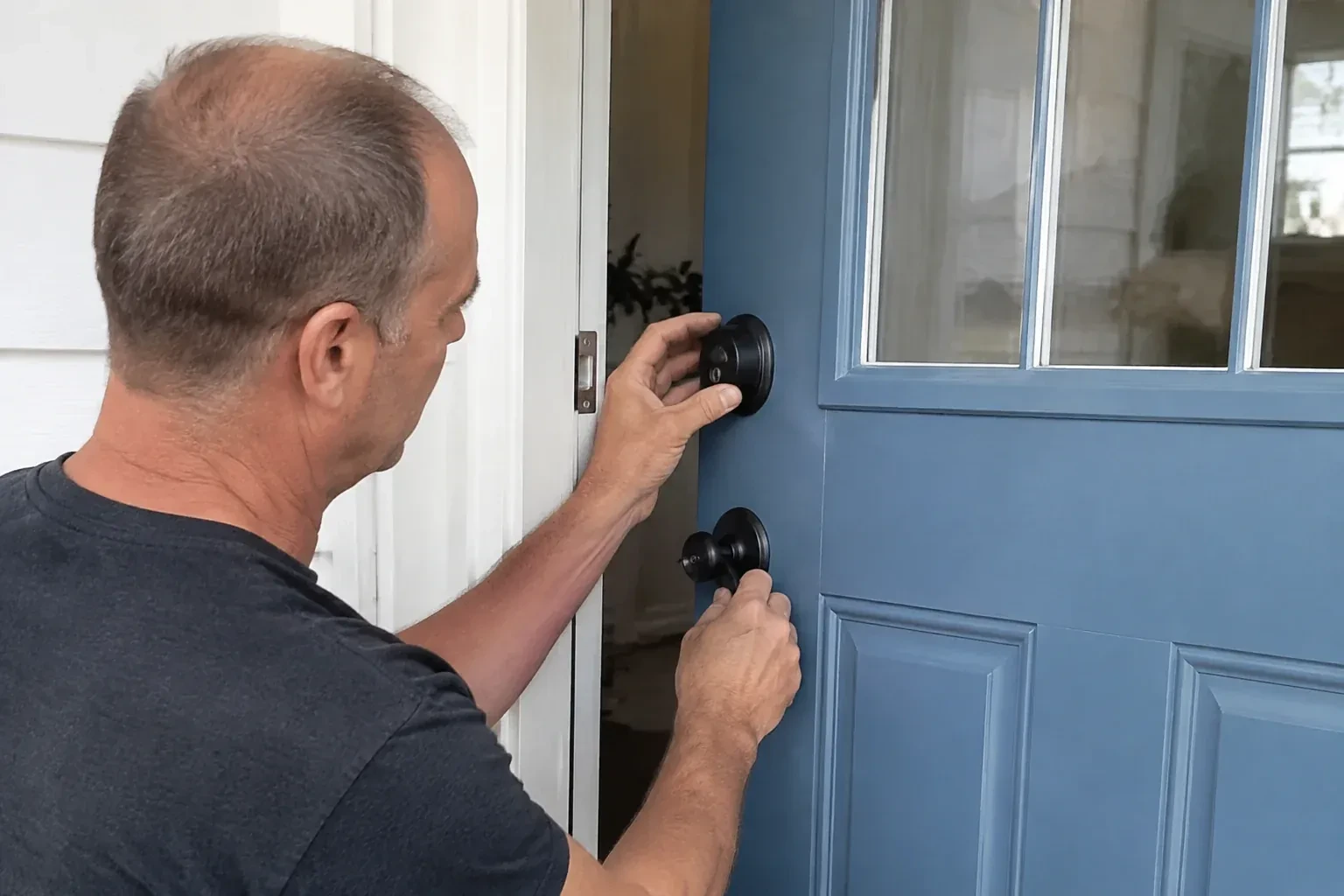
- The old deadbolt has grown lazy.Deadbolt Installation
- The brass handleset has gone blotchy and green where the winter salt reaches it, and the coating on the deadbolt is lifting in flakes.Lock Replacement & Upgrade
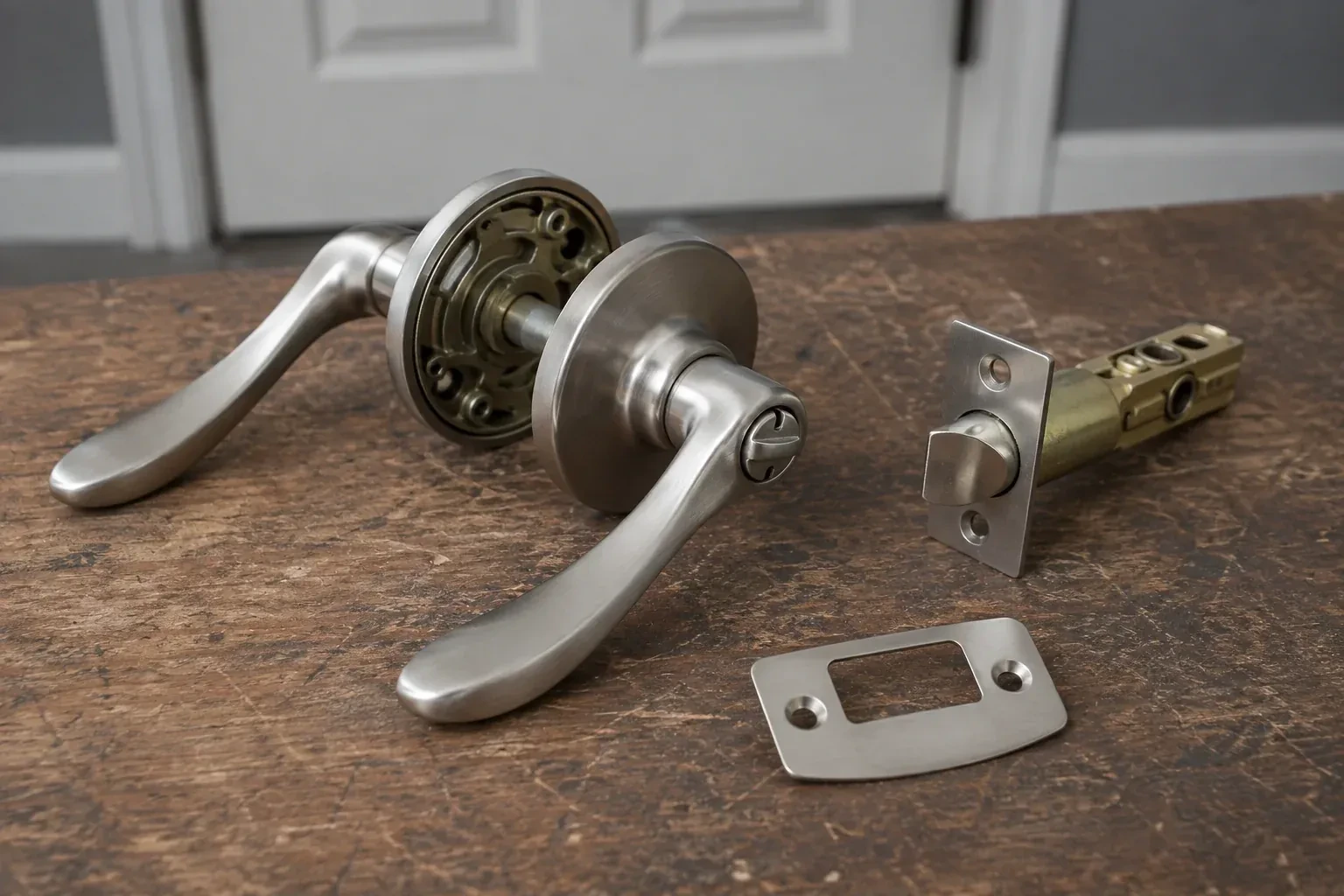
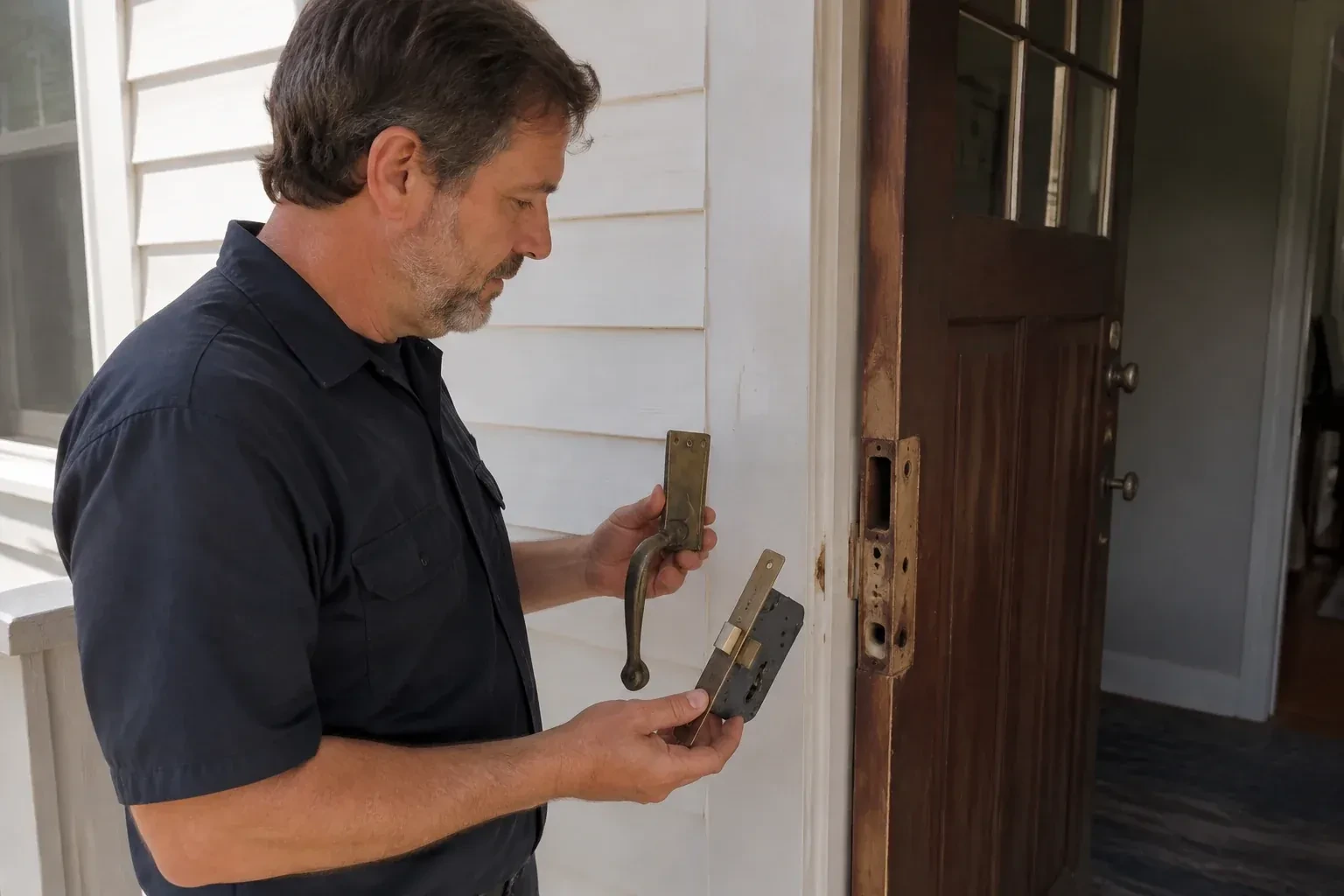
- Someone painted the door years ago without removing the hardware.Vintage Mortise Lock Service
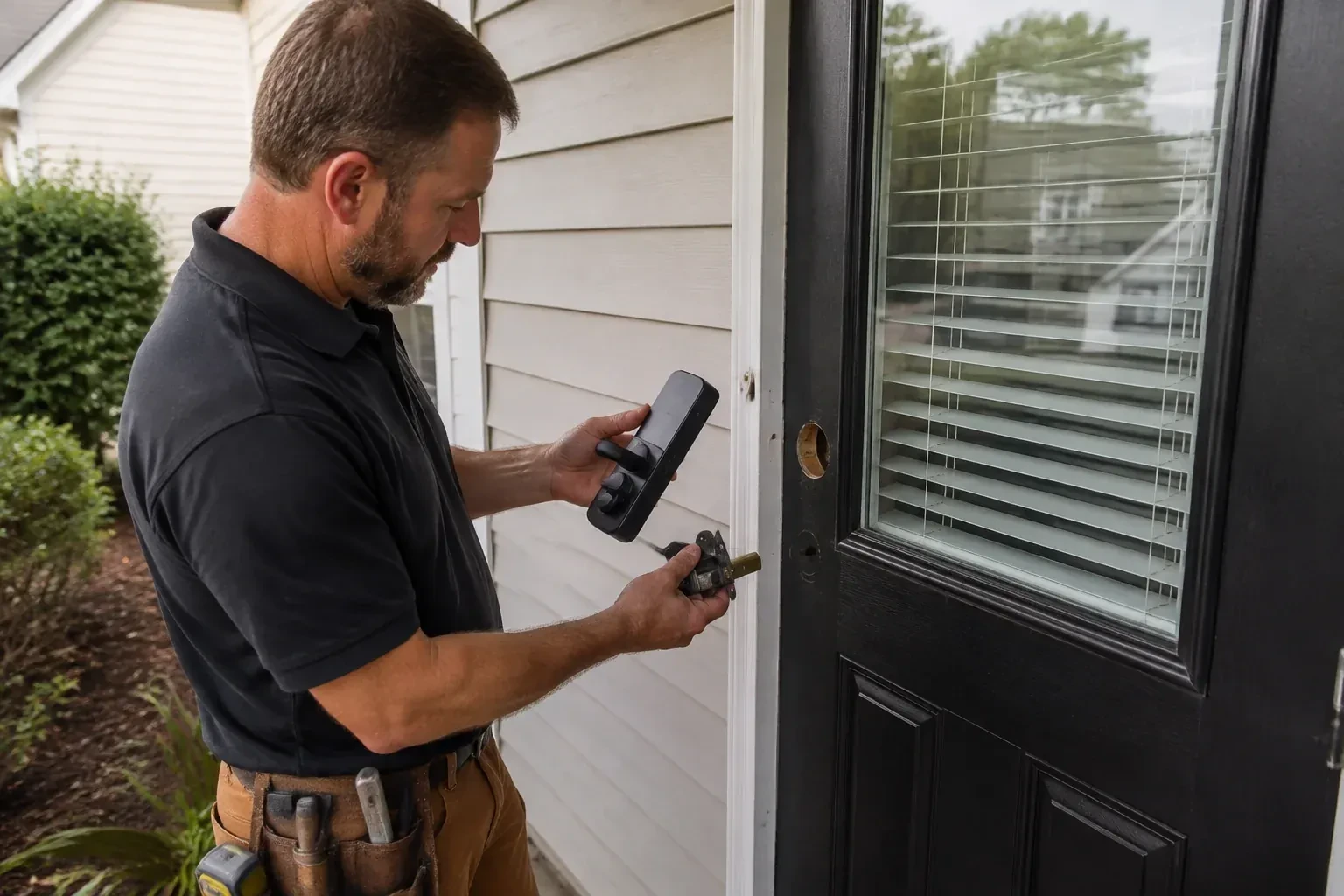
- You have just taken possession of the house and the previous owners handed over a keypad deadbolt with a code nobody wrote down and an app account you cannot get into.Smart Lock Installation
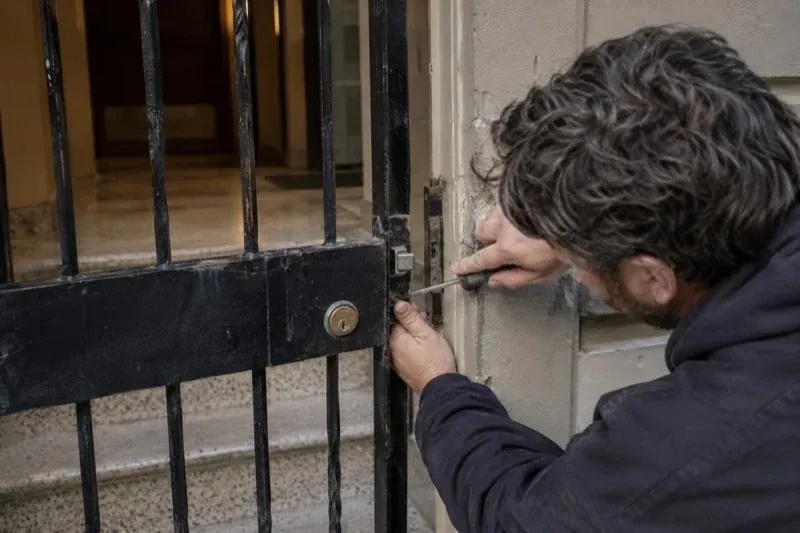
- Someone pried at the gate latch overnight, and now the strike plate hangs by one screw and the cylinder spins loose in its housing.Gate & Building Entry Locks
Change or Rekey Locks
New keys for the locks you have, or new locks where the hardware has worn out: rekeying, replacement, deadbolts, smart locks and older mortise hardware.
Lock Rekeying
Counting the keys that are already out there
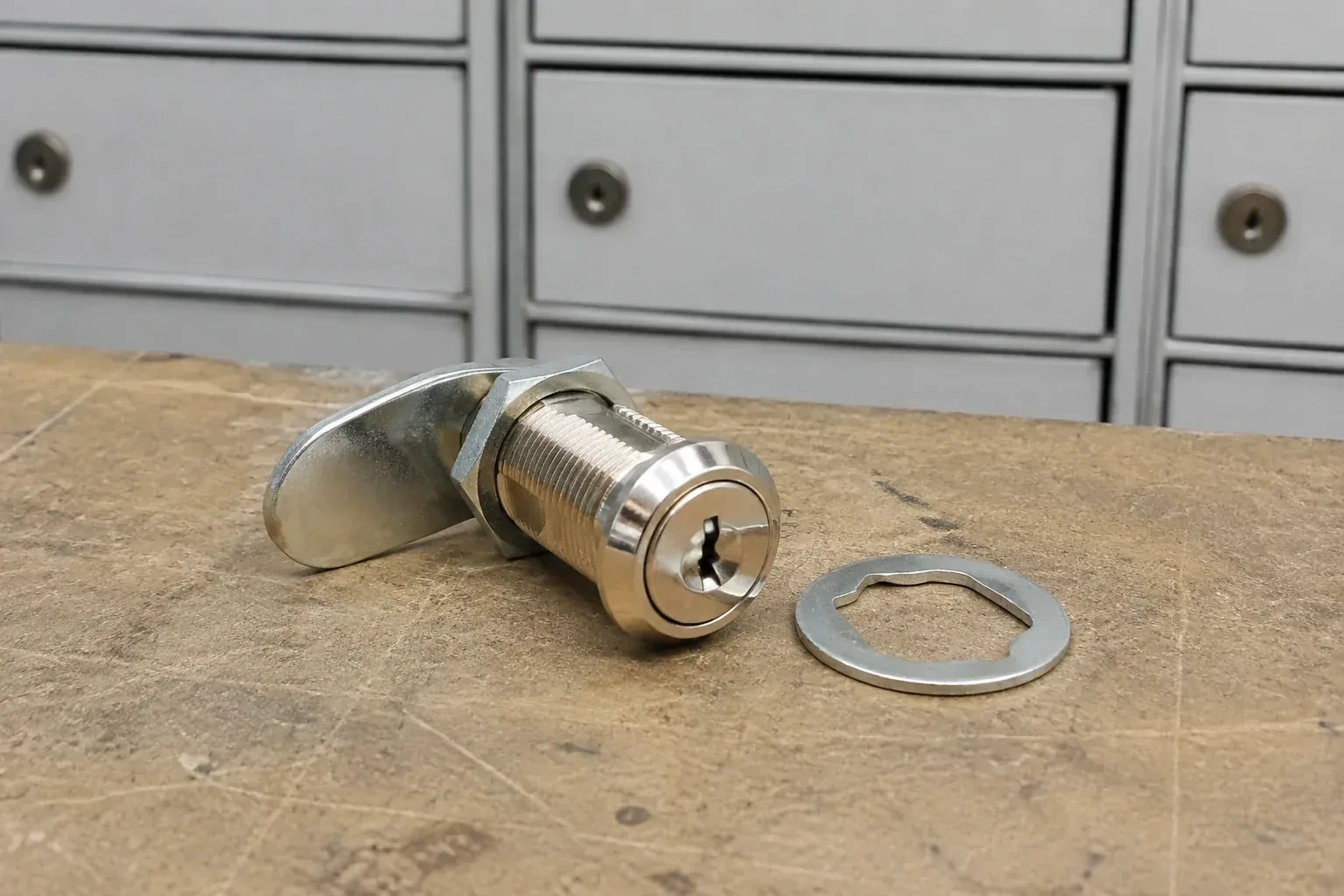
Part of planning a rekey is understanding why it is happening. The locksmith asks how many keys exist as far as you know, who has held one, and whether any went missing with something identifying the address. The answers do not change the pinning, but they shape the advice: whether a padlock or mailbox shares the same risk, whether a garage keypad code should change on the same visit, and how many new keys make sense to cut.
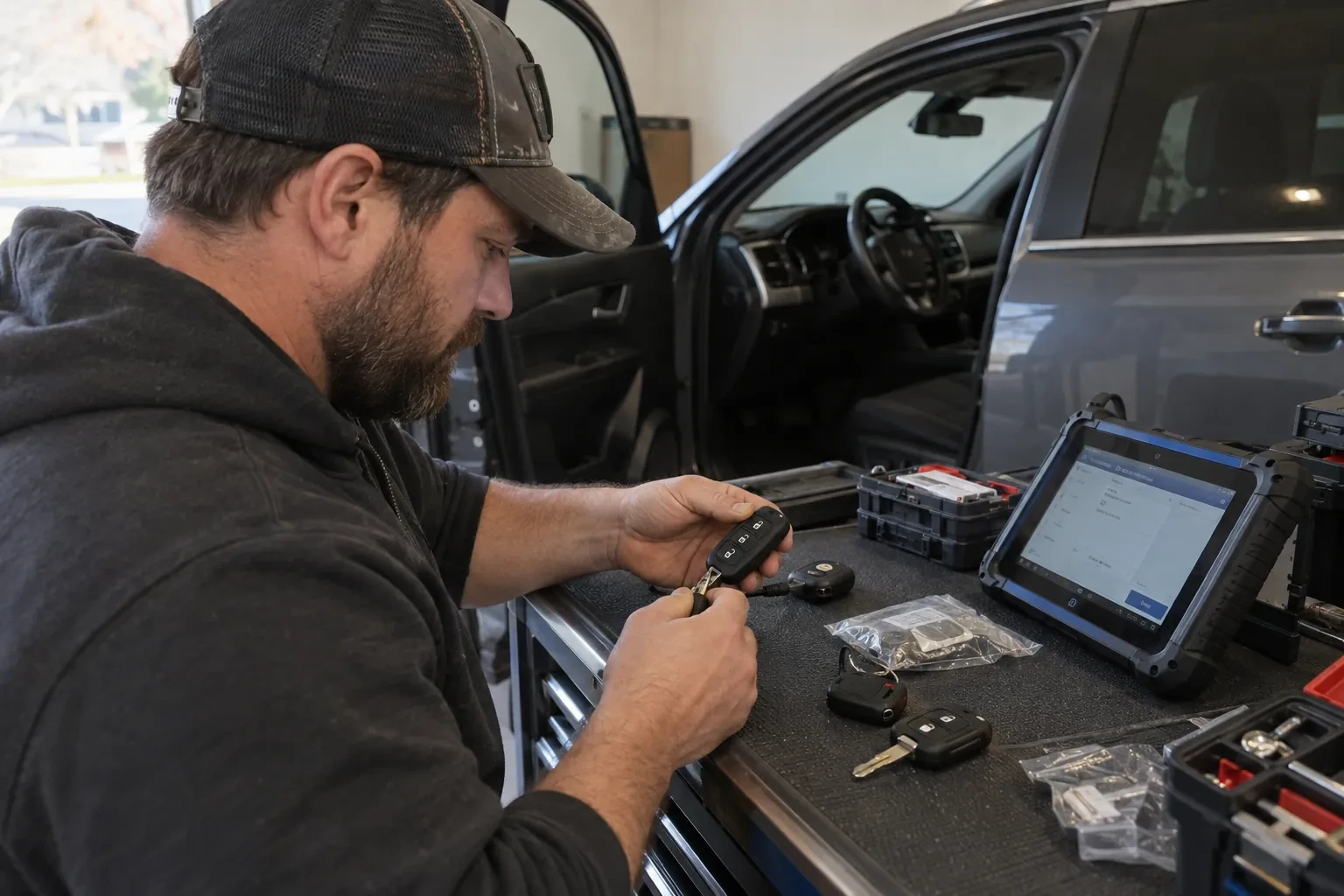
It also helps to know whether any key is a restricted or patented type, since those are cut from a record rather than duplicated and may involve the original supplier.