Change or rekey · Mississauga
Lock Rekeying
One key for the front door, another for the back, a third for the side door into the garage, and a fourth for the shed.
In plain words
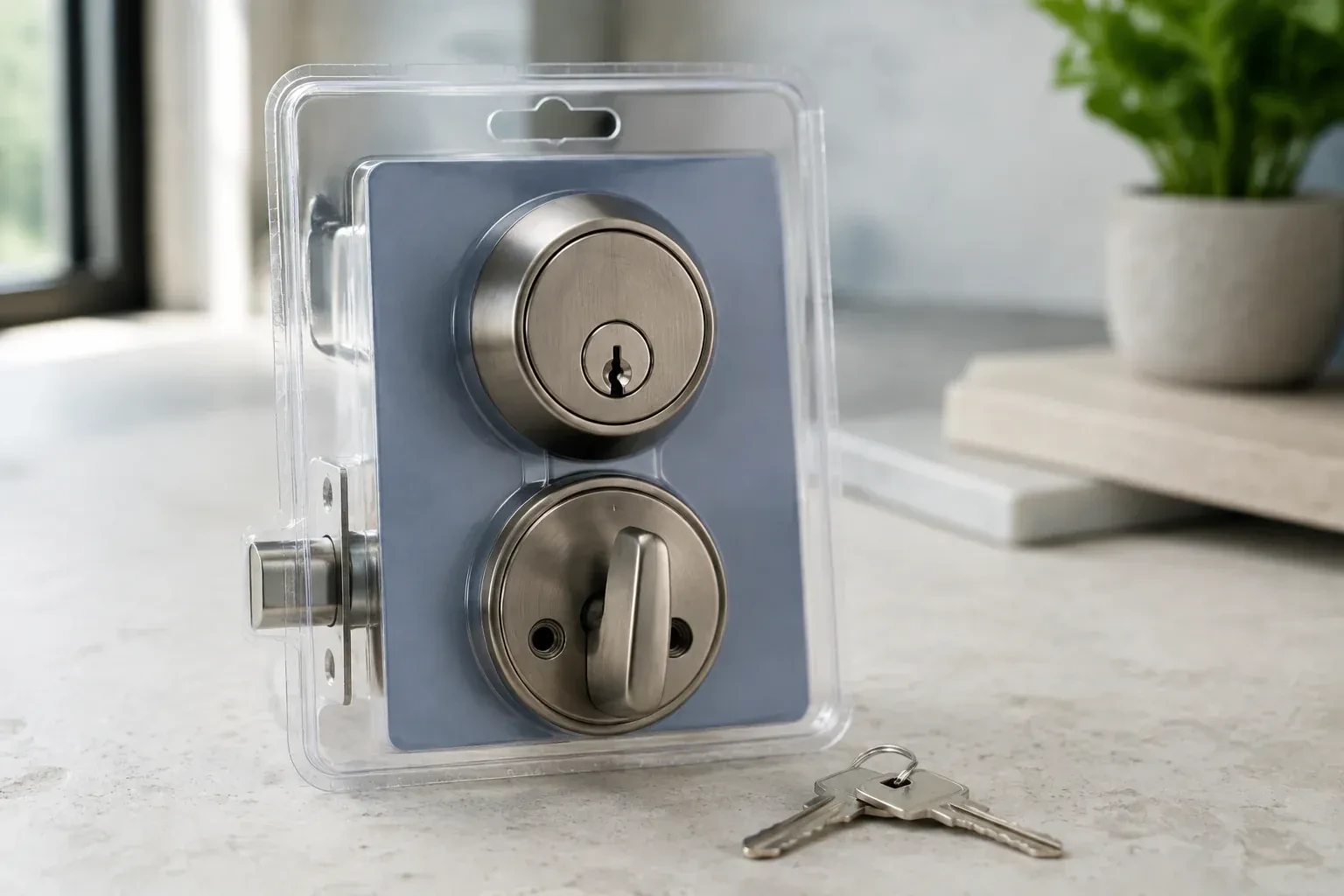
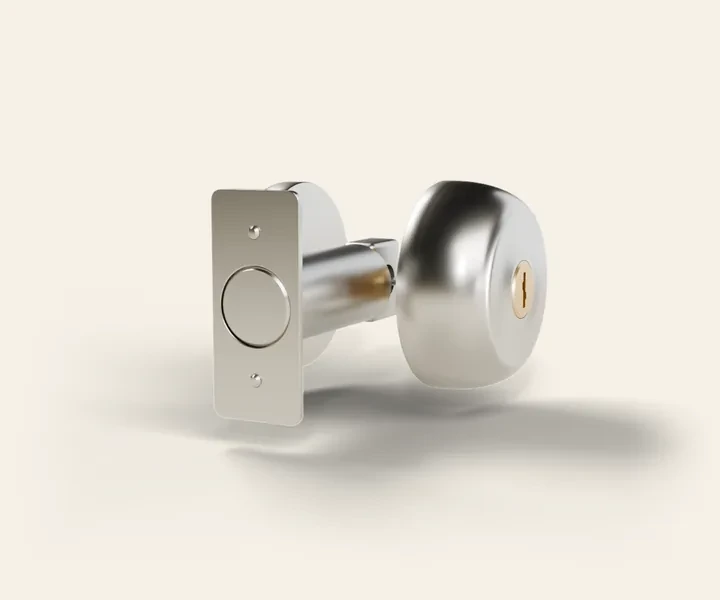
What you keep after rekeying is almost everything. The deadbolt, the handle set, the finish that matches your door hardware, the strike plate and the holes in the door all stay exactly where they are, which matters on an older door where new hardware rarely lines up with old mortises. What changes is a handful of brass pins a few millimetres long inside each cylinder, and the key in your pocket. The work is done on site, one cylinder at a time, so the house is never left with an unsecured door, and worn springs or a sticky plug can be dealt with while the cylinder is already apart.
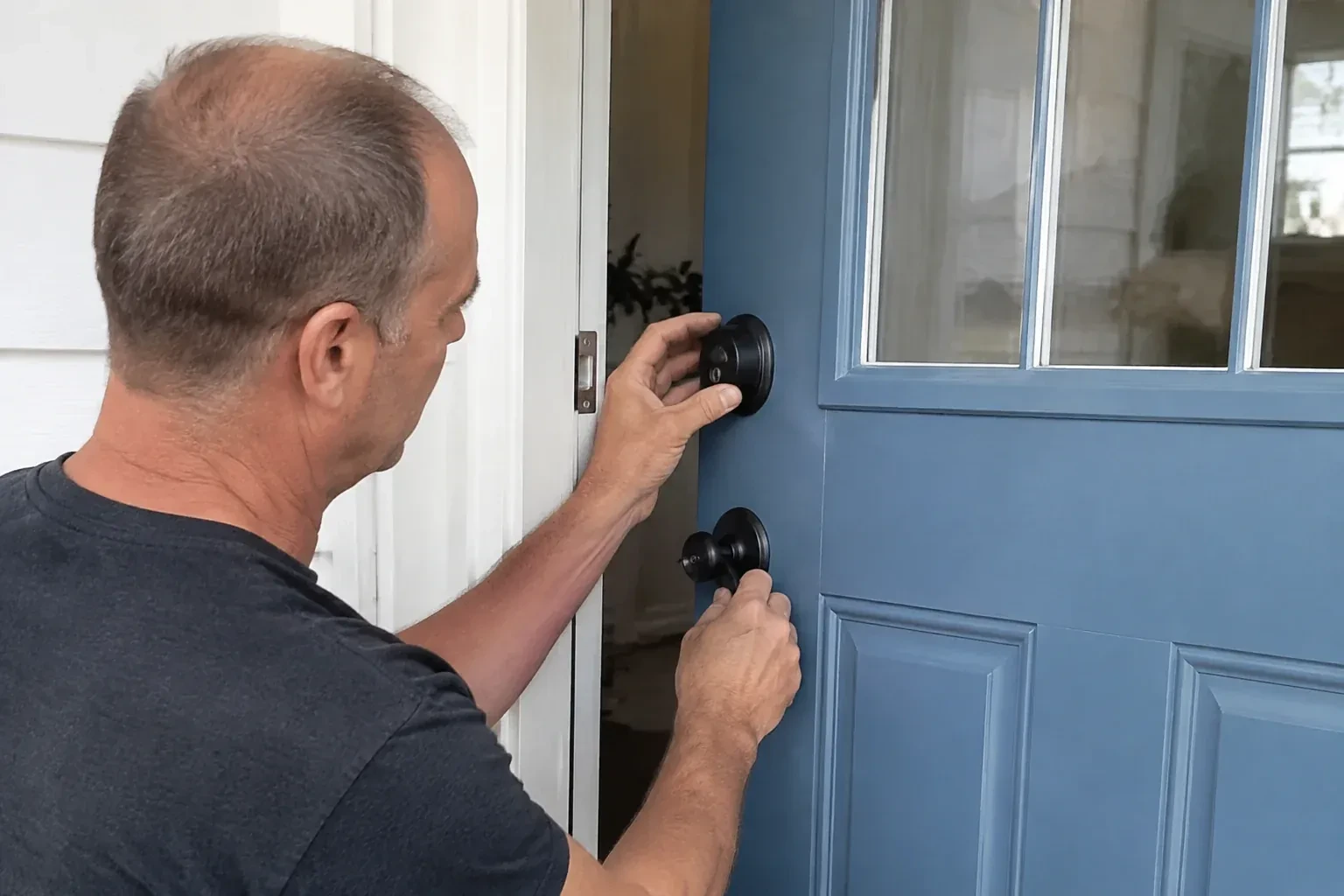
How the visit goesYour roommate moved out last weekend. Rent is settled, the room is empty, and the key is still on their ring. You trust them, but the lock on your front door should answer to the people who actually live here.
Inside the lock
What a rekey changes
01
The lock you already have
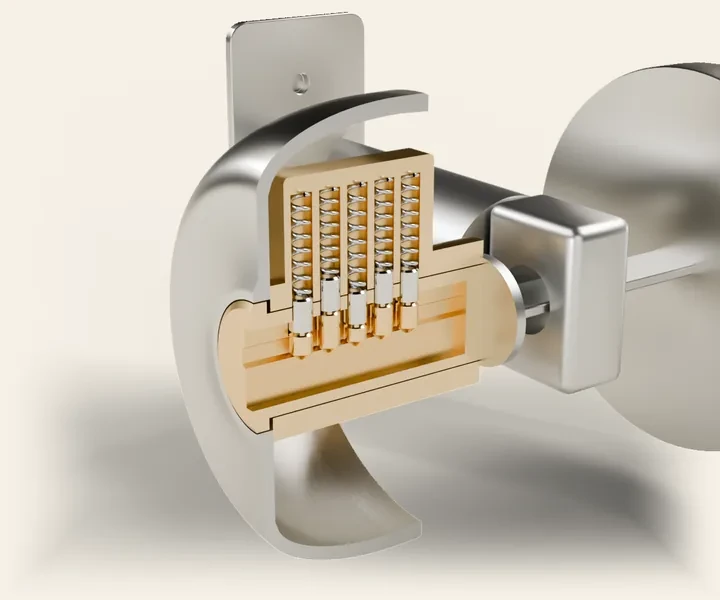
02
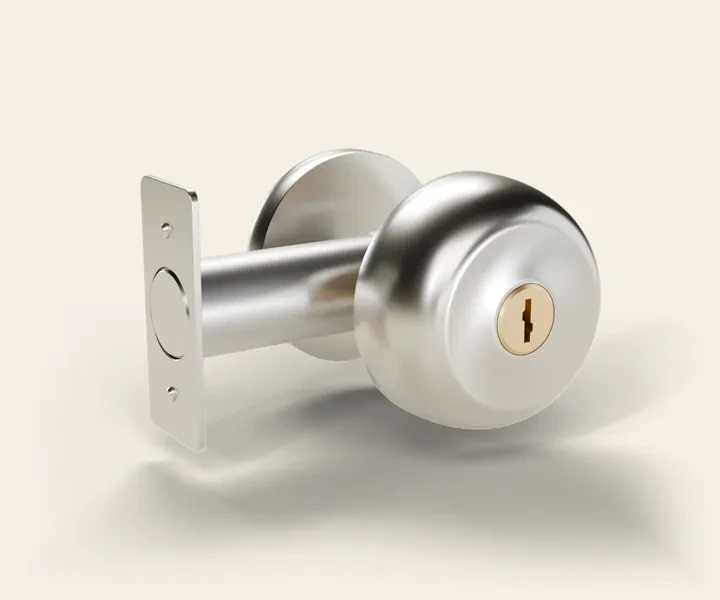
Inside the cylinder
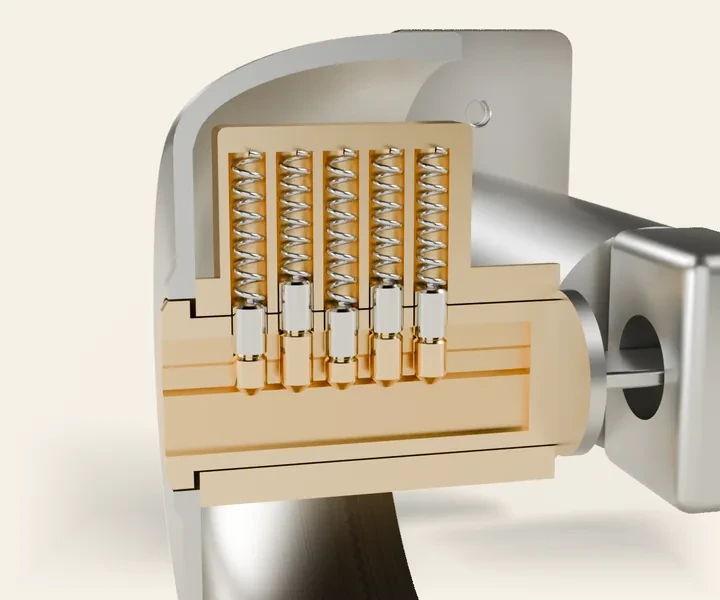
03
Pins, springs and the shear line
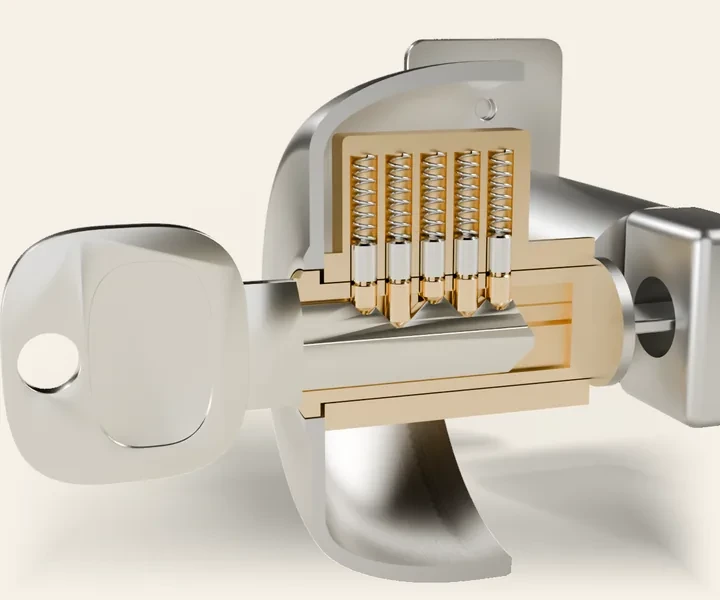
04
A new key, new pins
Lock Rekeying
How the visit goes
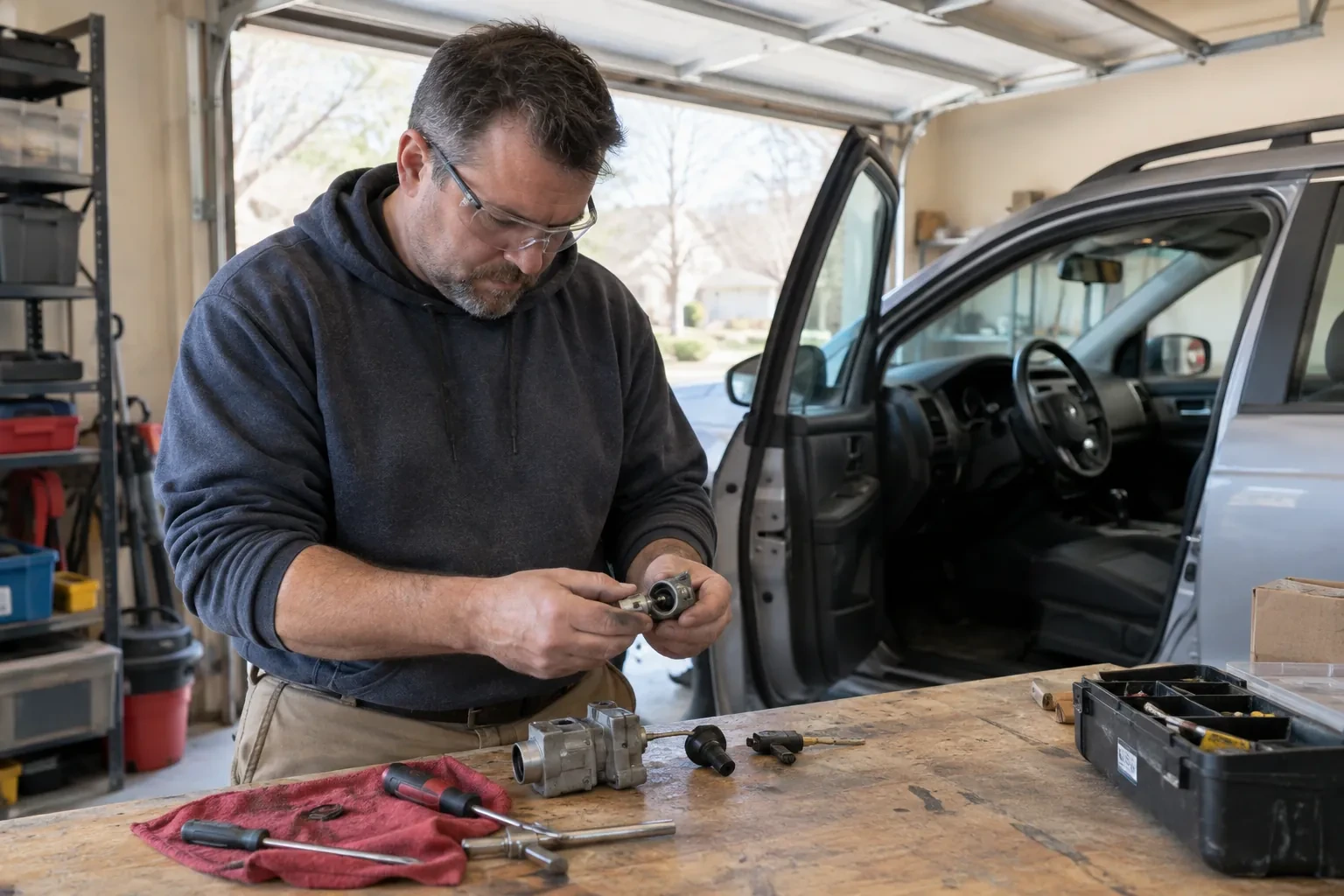
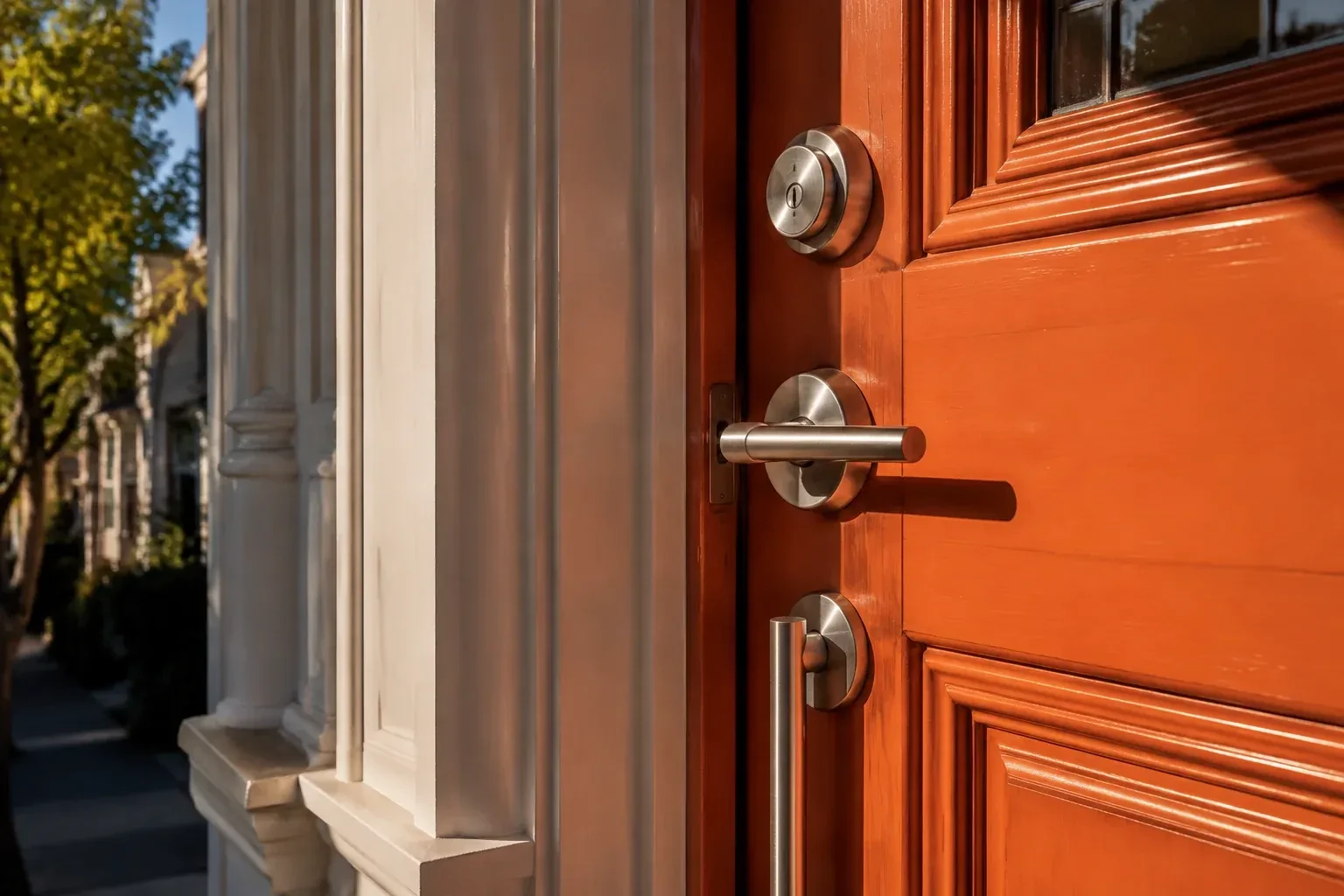
Counting the keys that are already out there
Part of planning a rekey is understanding why it is happening. The locksmith asks how many keys exist as far as you know, who has held one, and whether any went missing with something identifying the address. The answers do not change the pinning, but they shape the advice: whether a padlock or mailbox shares the same risk, whether a garage keypad code should change on the same visit, and how many new keys make sense to cut. It also helps to know whether any key is a restricted or patented type, since those are cut from a record rather than duplicated and may involve the original supplier.
Bringing several doors onto one key
Keying doors alike is the same operation repeated with the same new key. Once the first cylinder is pinned and proven, the locksmith removes the second, follows the plug out, and loads bottom pins to the identical depths so the same key operates it, and so on around the house. Where a door carries a cylinder from a different keyway family, that cylinder is exchanged for a matching one in the same finish and then pinned to the house key. The result is one key on your ring that turns every exterior door, with the individual locks unchanged in appearance and function.
Knowing when to rekey again
Rekeying is not a once-in-a-lifetime event; it is a habit tied to changes in who holds keys. The moments to think about it are the same ones that brought you here: a move, a tenant or roommate change, a key lost with anything identifying the address, a contractor who has finished, or a relationship that has ended. Between those events there is nothing to schedule. Because the house is now on a known system with a record, a later rekey is a shorter visit, and any new lock you add along the way can be pinned to the existing key so the household never drifts back to a ring full of mismatched keys.
Lock Rekeying
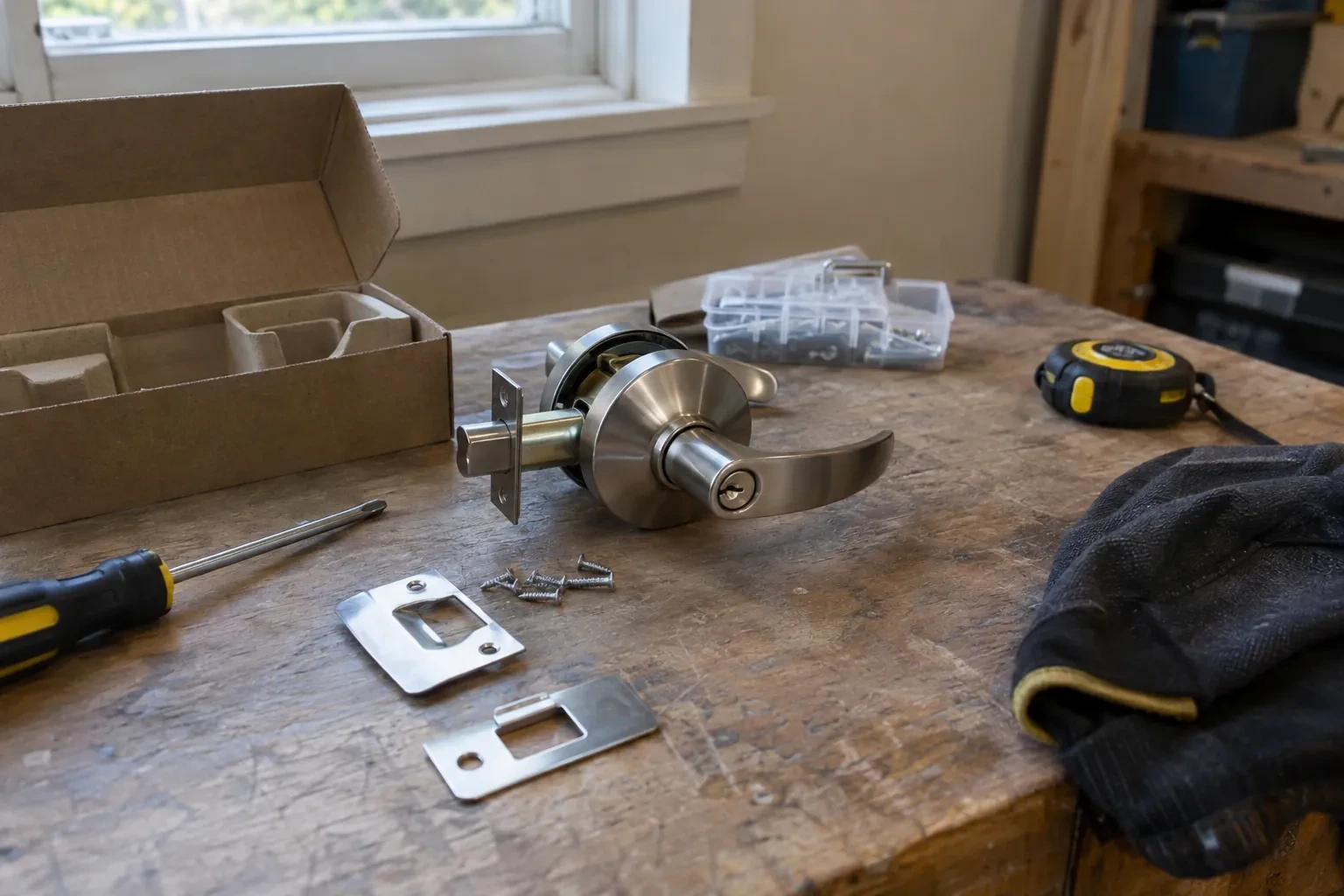
In the van
Dry graphite or PTFE lubricant
Pinning tweezers and tray
Plug follower
Replacement cylinder for odd keyways
Cylinder shim
Lock Rekeying
What affects the quote
Interior doors added to the plan
Bedroom, office or storage-room locks brought onto a key are lighter work than exterior deadbolts, but each is still a cylinder to pin and test, and the count includes them.
Access to each door being rekeyed
A rekeying visit goes smoothly when every door is reachable without delay: an empty unit, a cleared hallway, or someone available to let the locksmith into each room. Locked common areas, tenants who are out, or furniture blocking a cylinder all add time the locksmith accounts for on site.
Mismatched keyways needing a cylinder swap
Where one door's cylinder cannot take the key the other doors share, a compatible replacement cylinder is fitted and pinned to match, and that hardware appears as its own line in the quote.
What to have ready
- Has a key gone missing, or is one still held by someone who has moved on?
- Are any of the locks keypad or smart locks with a backup key?
- Do any locks feel stiff, loose or need a wiggle to turn?
Lock Rekeying: questions
QuestionsOne of my locks is stiff and worn. Can it still be rekeyed?
Often the stiffness is grit, old oil and tired springs rather than real wear, and those are handled while the cylinder is on the bench: the plug is cleaned, new springs go in with the new pins, and a dry lubricant finishes it. If the plug has worn oval or the housing is damaged, the locksmith shows you and suggests a replacement cylinder pinned to the same key, rather than fresh pins in a lock that will keep dragging.
Can a smart lock or keypad deadbolt be rekeyed?
The mechanical part of it can. Many keypad or app-controlled deadbolts hide a small keyed cylinder under a cap for the day the batteries fail, and that cylinder can be pinned to your house key so the backup key on your ring is the same one that opens the other doors; some models are key-free and rely on an external battery backup instead. Codes are a separate matter: the locksmith will suggest deleting any code belonging to someone who no longer needs access at the same time.
Do the old keys really stop working?
Yes, at every cylinder that was rekeyed. Once the bottom pins are changed, a key cut to the old combination lifts them to the wrong heights and the plug will not turn. The locksmith proves this at each door by trying the old key after the new one, because any door missed from the list would still answer to the old key. That is also why the walk around the property at the start matters: every door meant to be included has to be on the list.
Related services
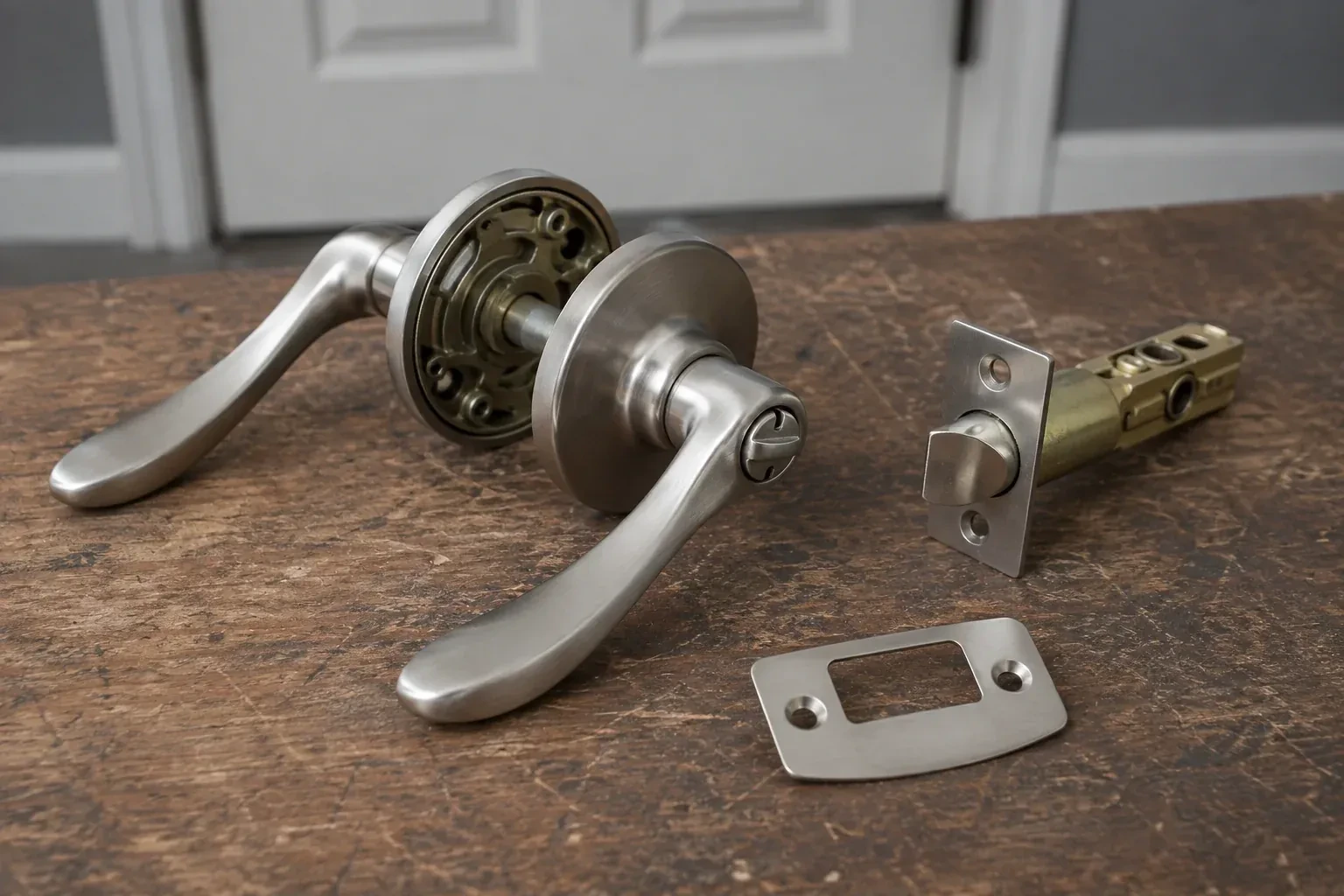
- Lock Replacement & UpgradeThe brass handleset has gone blotchy and green where the winter salt reaches it, and the coating on the deadbolt is lifting in flakes.
- Vintage Mortise Lock ServiceSomeone painted the door years ago without removing the hardware.
- Smart Lock InstallationYou have just taken possession of the house and the previous owners handed over a keypad deadbolt with a code nobody wrote down and an app account you cannot get into.