High security · Mississauga
High Security Locks in Mississauga
You run a home office with client files and equipment, and your insurer has asked what kind of lock is on the door.
In plain words
The service begins with a conversation about what the door protects and what worries you, then a close look at the door as a whole: the cylinder, the bolt, the strike, the frame, the hinges and any glass nearby. From that the locksmith recommends a level of protection that matches the risk, fits it, and sets up the key system in your name. From then on, extra keys are cut only when you authorise them, and you receive a record of which key opens which door. It is the mechanical answer to the question most people eventually ask: who else has a key to this?
How the visit goesYou jiggle the key a little and the old deadbolt opens even when the cut does not look quite right. If your worn key can do that, you wonder what a stranger with the right tools could do.
High Security Locks
How the visit goes
The fit of new hardware to old doors
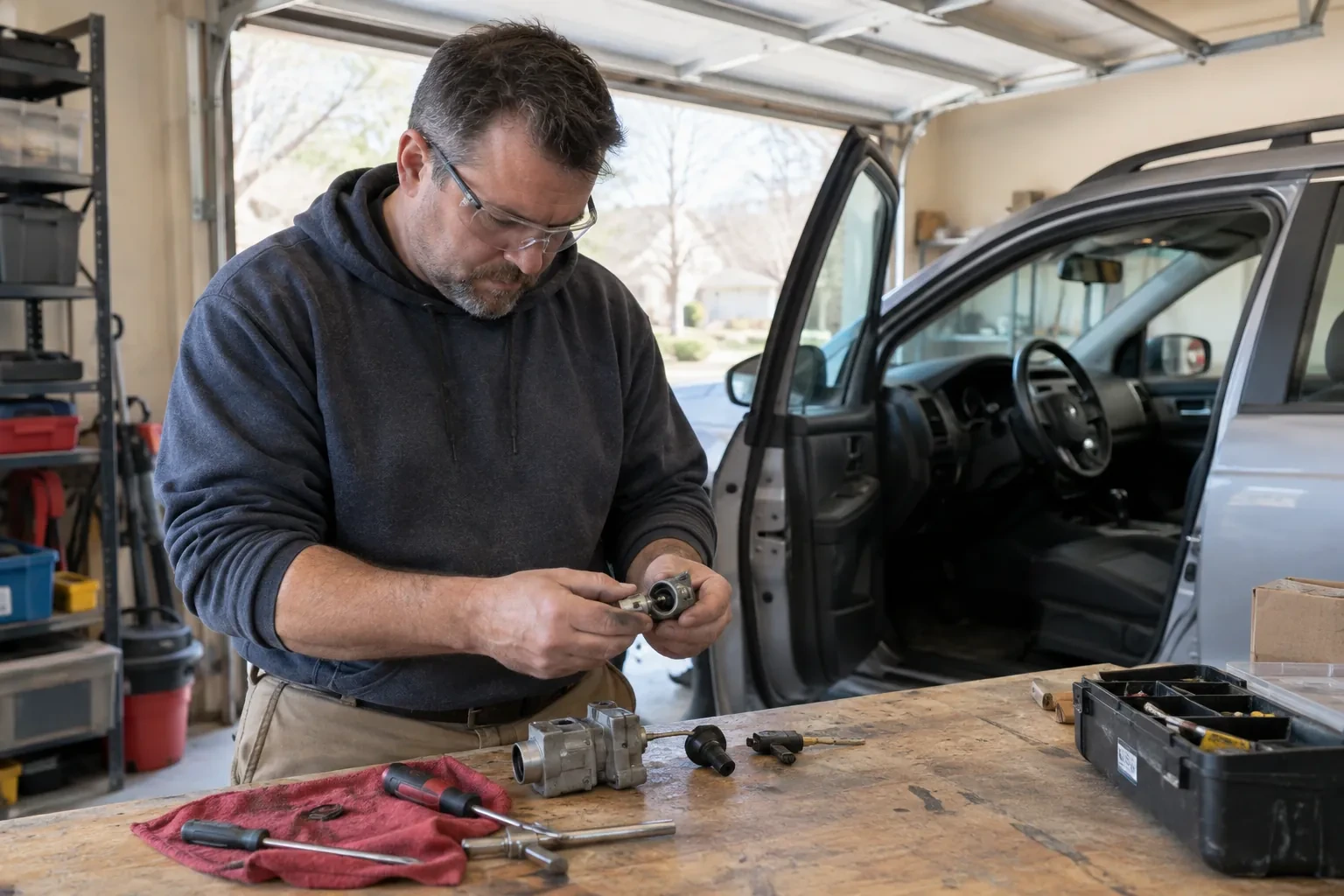
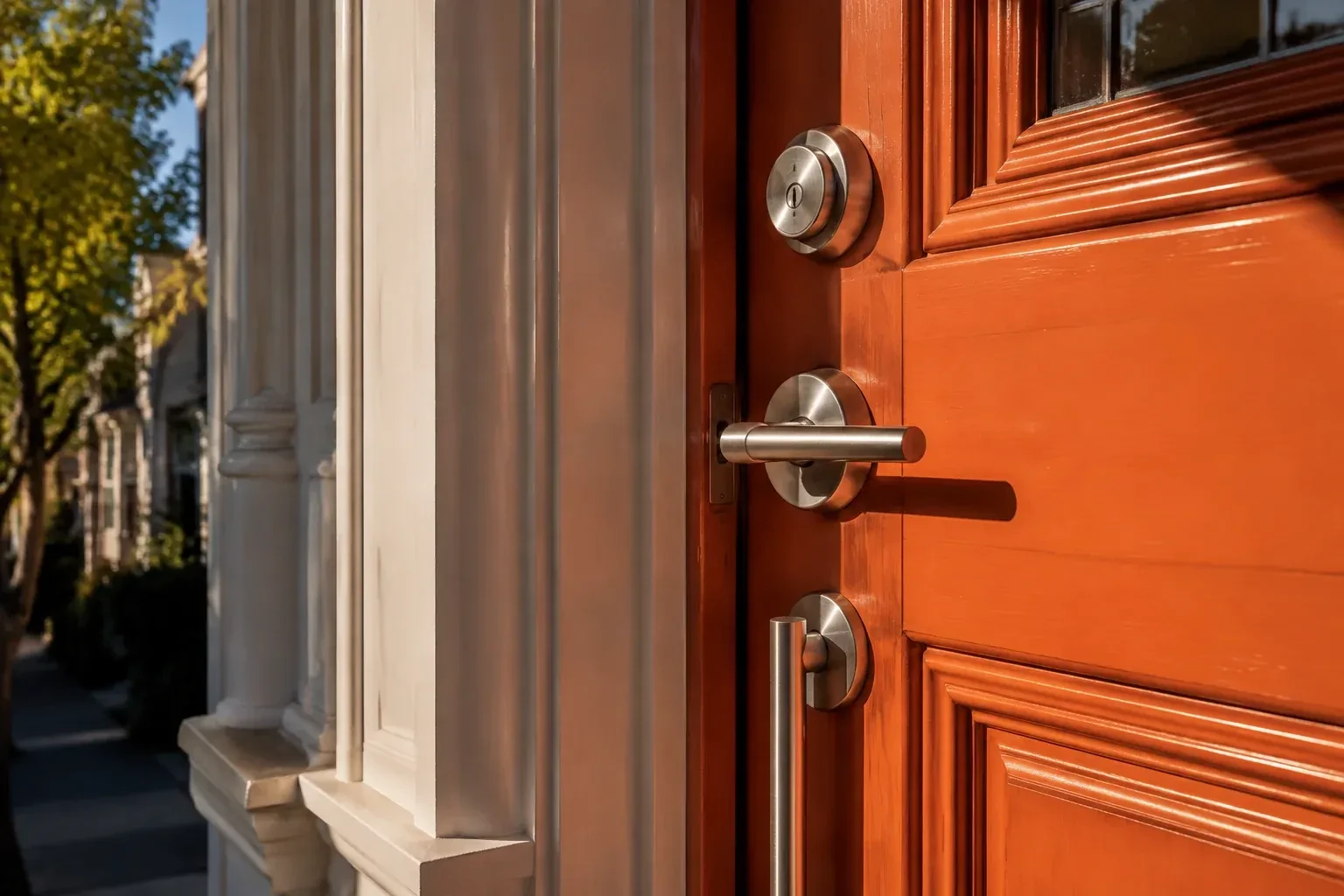
Older houses in this region have doors that predate modern hardware: narrower stiles, a mortise pocket already cut, a thick slab door or a steel-clad door with a specific backset. The locksmith measures the bore, backset, door thickness and edge preparation so the chosen deadbolt or cylinder fits without hacking at the door. Where a mortise lock is present, a high-security mortise cylinder often replaces the old one directly. Where a knob lock is the only lock, the assessment includes where a new deadbolt bore would sit and whether the frame can take a proper strike.
Heavy hardware for commercial doors
Storefront, warehouse and office doors take heavy-duty lock bodies rather than residential deadbolts. Depending on the door, that means a commercial deadbolt or mortise lock with a hardened cylinder guard, a free-spinning collar that defeats wrenches, and a laboratory-rated cylinder inside it. Narrow aluminium doors get a deadlock made for their stile. The locksmith fits the lock to the existing preparation where it is standard, adjusts the strike in the frame, and confirms that any exit device or closer on the same door still works exactly as before so people leave easily while the door holds from outside.
Looking after a precision cylinder
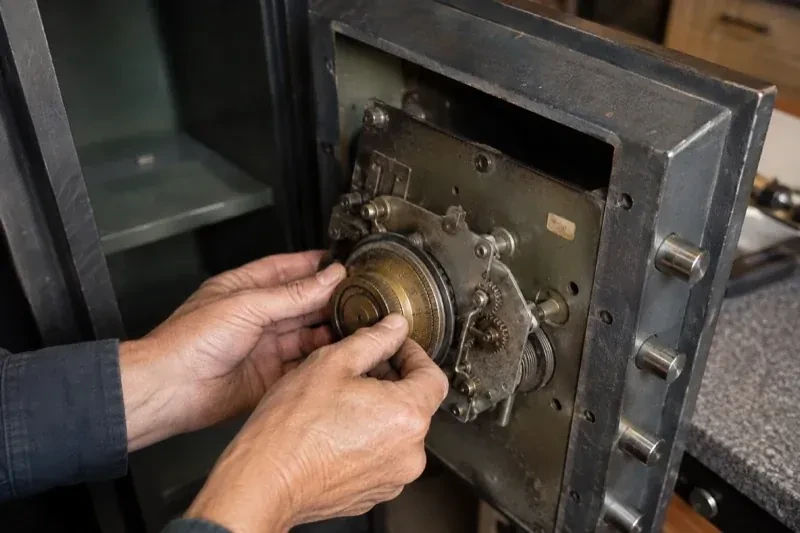
High-security cylinders are finer mechanisms than the pin tumblers they replace, and a little care keeps them turning sweetly. Use only the dry lubricant the locksmith recommends, once or twice a year and sparingly, and never household oil, which gathers grit around the finger pins and sidebar. In cold weather, if the key resists, warm it in your hand or use a de-icer rather than forcing it. Insert the key fully before turning. Keep a spare key indoors so a bent or worn key is retired rather than pushed on. Treated this way, the cylinder outlasts the door around it.
High Security Locks
In the van
Key control authorisation card
Three-inch strike and hinge screws
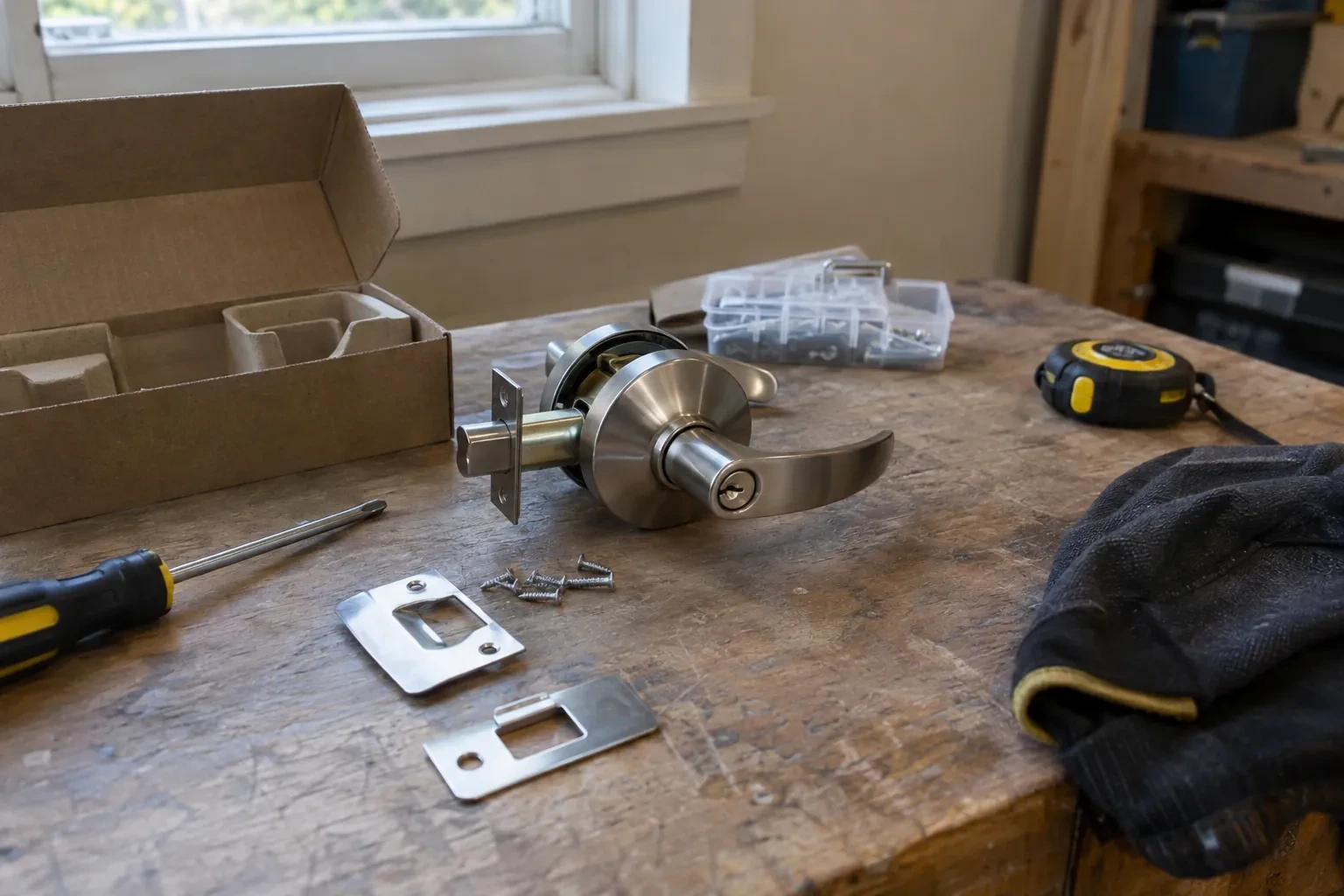
High-security cylinder
Commercial mortise lock body
Wrap-around door reinforcer
High Security Locks
What affects the quote
Exit devices and closers on the same door
Where a commercial door carries a push bar or closer, the new lock must work with them, and adjusting or replacing that hardware is part of the same visit.
Commercial lock bodies
Heavy-duty deadbolts, mortise locks, narrow-stile deadlocks and cylinder guards for storefront and warehouse doors are heavier hardware than residential deadbolts and priced as such.
Mortise and older doors
An existing mortise pocket, a thick slab door or an unusual backset can mean a specific cylinder or an adapted preparation, which takes longer than a standard bore.
What to have ready
- How many keys exist today, and are you confident of that number?
- Is the door wood, steel-clad, fibreglass or aluminium with glass?
- Is this a house, condo, rental unit or business premises, and do you own or manage it?
High Security Locks: questions
QuestionsShould I upgrade the front door only, or every door?
Start with the doors that matter and the ones that are weakest, which are often not the same. Front doors usually carry the sturdiest hardware already; the side door by the driveway, the door from the garage and the basement walkout often carry the lightest locks and get the least attention. The assessment walks the whole perimeter with you so the upgrade goes where entry is most likely, and the remaining doors can join the same key later.
Is a high security cylinder really pick proof?
Nothing is beyond a laboratory with unlimited time, so the honest measure is minutes, not absolutes. Rated cylinders are tested to resist skilled picking and impressioning for a set period, and drilling and forcing for another. In the real world that matters because someone at a door has seconds, not a workbench. The sidebar and false grooves in the pins give a picker nothing reliable to feel, and the hardened inserts stop a bit, which is why these attacks move on to easier doors.
What actually makes a lock high security?
Three things working together. The cylinder has a second locking mechanism, usually a sidebar released by finger pins or rotating pins, plus hardened steel in the path of a drill, so picking, bumping and drilling take far longer than on an ordinary lock. The deadbolt and strike are heavier and fastened into the framing. And the key is cut on a patented or restricted blank that only an authorised person can have copied. Remove any one and the door is weaker than the label suggests.